Navigating detox symptoms after acupuncture is crucial for maintaining comfort and maximizing the benefits of your treatment. Acupuncture aims to restore balance in the body, but it can lead to mild, temporary reactions, known as adjustment symptoms. This guide offers insights into managing these symptoms by outlining common post-treatment sensations, recovery timelines, and practical self-care strategies such as staying hydrated and resting. Our goal is to equip you with the tools needed for a smooth recovery.
Common Reactions and Strategies for Managing Detox Symptoms
Following acupuncture, individuals often notice subtle, short-lived changes as the body starts healing. These reactions can differ from person to person but are typically brief and part of the natural recovery process. Understanding what to expect can alleviate concerns and help you effectively manage detox symptoms.
Typical Reactions to Anticipate When Managing Detox Symptoms
- Fatigue: A sense of drowsiness or relaxation is common as energy levels readjust.
- Headaches: Mild, tension-related headaches might arise due to changes in circulation.
- Dizziness: Feeling lightheaded can occur, especially if you haven’t eaten.
- Emotional Release: Temporary feelings of sadness or sensitivity are part of the emotional processing.
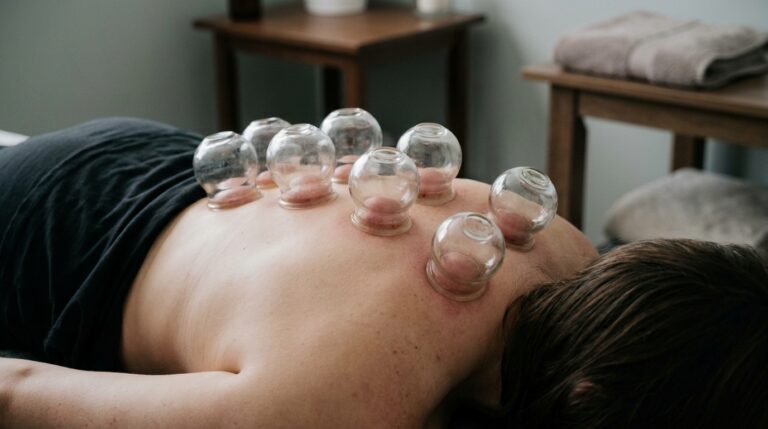
- Soreness: Minor bruising or tenderness at needle sites usually dissipates within a couple of days.
Reasons Behind These Changes While Managing Detox Symptoms
Experiencing fatigue and headaches after acupuncture is a normal physiological response. These shifts occur primarily for two reasons:
- Energy Shifts: Acupuncture rebalances vital energy (Qi), which can cause temporary tiredness as your body finds equilibrium.
- Physiological Responses: Activating the parasympathetic nervous system induces deep relaxation, often resulting in a feeling of heaviness or tiredness.
Five Practical Tips to Manage Detox Symptoms
- Stay Hydrated: Drinking plenty of water helps cleanse the system and may alleviate post-acupuncture headaches.
- Prioritize Rest: If you feel tired, heed your body’s signals and avoid strenuous activity for 24 hours.
- Eat a Balanced Diet: Prevent dizziness by providing consistent energy through wholesome foods.
- Engage in Gentle Movement: Light stretching or walking can help move stagnant energy without straining your system.
- Track Your Progress: Monitor how you feel; most symptoms should subside within 48 hours.
The Concept of “Detox” in Post-Acupuncture: A Whole-Person Approach
The term “detox symptoms” in acupuncture refers to the body’s energetic and physiological rebalancing, not medical detoxification in the traditional sense. From a Traditional Chinese Medicine (TCM) perspective, short-lived sensations indicate the body’s response and progress toward deeper healing. Biomedically, acupuncture impacts the nervous system, blood flow, inflammation, and endorphin release. These changes may manifest as mild, temporary symptoms as your system adjusts to a healthier state. Skilled practitioners acknowledge these responses as part of the healing process and monitor them closely.
Timeframes for Managing Detox Symptoms After Treatment
The duration of post-treatment responses depends on your overall health and the condition being treated. Generally, symptoms are brief and manageable.
Resolution of Symptoms
Most mild post-acupuncture symptoms diminish within a few hours to 48 hours as the body adjusts. If symptoms persist beyond a few days or worsen significantly, consult your practitioner for further evaluation.
Proactive Measures to Manage Detox Symptoms
Supporting your body after acupuncture aids in a more comfortable recovery. Key recommendations include:
- Stay Hydrated: Water and mild herbal teas assist kidney function and help clear metabolic byproducts.
- Consume Nutrient-Dense Foods: Opting for whole foods like berries, leafy greens, and lean proteins provides essential amino acids for repair.
- Rest Is Essential: Deep rest facilitates tissue repair and bolsters immune function.
See a Thrive clinician
Acupuncture, dry needling and physical therapy across four Long Island offices. Same-week appointments are usually available, and you do not need a referral to start.
The Role of Hydration in Post-Acupuncture Recovery
Adequate hydration is crucial post-treatment. Drinking enough fluids helps to:
- Support Kidney Function: Proper hydration assists in the natural filtering and clearing of metabolic byproducts.
- Prevent Dehydration: Even slight dehydration can exacerbate headaches, fatigue, or cramps. Water intake reduces these risks.
- Enhance Cellular Function: Water aids in nutrient transport and waste removal, enabling cells to carry out repair and recovery.
Nutrition Choices for Recovery and Foods to Avoid
Consuming nutrient-rich foods supports healing and reduces inflammation. Here’s a comparison of beneficial choices versus foods to limit:
Choosing nourishing foods while avoiding highly processed or inflammatory options supports consistent energy and can alleviate post-treatment discomfort.
Enhancing Recovery Through Rest and Self-Care
Incorporating rest and gentle self-care into your routine helps your body integrate treatment, heal, and regain balance. Prioritizing recovery amplifies acupuncture’s benefits and eases transitional symptoms.
The Importance of Sleep and Gentle Movement After Acupuncture
Quality sleep and gentle movement have distinct but complementary benefits:
- Sleep: Deep rest is the time when the body repairs tissue, consolidates energy, and supports immune function. Extra sleep following a session aids your system in processing changes.
- Gentle Movement: Engaging in low-impact activities like walking or light stretching promotes circulation and helps move stagnant energy without depleting your energy reserves.
Self-Care Techniques for Post-Acupuncture Recovery
Simple self-care practices can alleviate symptoms and enhance treatment effects:
- Acupressure: Applying gentle pressure to points such as LI4 (for headaches) or PC6 (for nausea) can relieve symptoms, seek individualized guidance from your practitioner.
- Epsom Salt Baths: A warm soak with Epsom salts relaxes muscles and induces calm; the magnesium content may help reduce tension.
- Mindfulness and Meditation: Brief breathing exercises or guided meditation (10–15 minutes) calm the nervous system and promote recovery.
- Warm Compresses: Applying a warm, moist compress to sore areas boosts circulation and alleviates stiffness.
When to Reach Out to Your Practitioner Regarding Post-Acupuncture Symptoms
Most post-treatment reactions are mild and resolve quickly, but certain signs require immediate professional attention to ensure your safety and recovery.
Warning Signs of Concerning Post-Acupuncture Symptoms
Contact your acupuncturist promptly if you experience any of the following:
- Severe or Worsening Headaches: Intense, persistent pain that doesn’t improve with rest or usual remedies, especially if accompanied by vision changes, numbness, or severe light sensitivity.
- Prolonged or Debilitating Fatigue: Extreme tiredness lasting several days, hindering normal activities.
- Unusual or Concerning Symptoms: High fever, severe localized pain, signs of infection at needle sites (increasing redness, swelling, pus), or allergic reactions (hives, difficulty breathing).
- Significant Bruising or Bleeding: Excessive bleeding or rapidly expanding bruises at needle sites.
- Increased Pain or Worsening of the Original Problem: If symptoms clearly worsen instead of improving or fluctuating mildly.
Understanding How Thrive Health Acupuncture Can Support Your Post-Acupuncture Recovery
At Thrive Health Acupuncture, your comfort and recovery are our priorities. Our practitioners offer individualized guidance after each session and are available to address any concerns regarding post-treatment symptoms. We focus on musculoskeletal and orthopedic issues, adjusting care plans to minimize discomfort and promote recovery. If something feels off, reach out to us. We’ll help clarify what to expect and the next steps.
Frequently Asked Questions About Managing Detox Symptoms
Can Post-Acupuncture Lead to Tiredness or Emotional Changes?
Yes, feeling tired or experiencing brief emotional shifts is common. Fatigue often indicates deep relaxation and energy rebalancing, while emotional releases, such as temporary sadness or sensitivity, occur as stored tension is released. These reactions typically resolve within a day or two and signify your body is adjusting.
What Should You Avoid After Acupuncture to Prevent Worsening Symptoms?
To aid recovery and minimize the likelihood of worsening mild symptoms, avoid the following immediately after your session:
- Intense Exercise: Strenuous workouts can divert energy from healing, opt for gentle movement instead.
- Alcohol: Alcohol dehydrates and may impede recovery. Avoid for at least 24 hours.
- Skipping Meals or Consuming Highly Processed Foods: Not eating or choosing low-quality foods can increase dizziness and fatigue, opt for nourishing meals.
- Over-scheduling and Stress: Jumping back into a busy day negates the calming effects of treatment. Allow time for rest.
- Excessive Caffeine: Too much caffeine can dehydrate and overstimulate the nervous system, counteracting relaxation.
Implementing these simple precautions helps your body assimilate the benefits of acupuncture more effectively.