When spring pollen starts coating cars and sneezing becomes a daily routine, many people begin looking for options beyond “just another antihistamine.” If you have seasonal allergies (hay fever), allergic rhinitis, itchy or watery eyes, postnasal drip, or stubborn nasal congestion, you may be wondering, does acupuncture help allergies, and if so, what kind of results are realistic.
This guide provides a practical, research-informed overview of acupuncture for seasonal allergies, including what symptoms it may help most (and least), how to tell allergies from a cold or sinus infection, acupuncture points for allergies that are commonly used, what to expect in a visit, and a clear acupuncture treatment timeline for allergies you can use to plan around your season.
Local note: Thrive Health Acupuncture supports patients in East Setauket, Sayville, Smithtown, and Westhampton who deal with long allergy seasons fueled by overlapping tree, grass, and ragweed pollen. The recommendations below are broadly applicable, with a brief Long Island callout section for timing and seasonal triggers.
Main Points to Know
- Seasonal allergies (hay fever) and allergic rhinitis are immune system responses to triggers like pollen. Common symptoms include sneezing, runny nose, nasal congestion, postnasal drip, cough from throat irritation, and itchy/watery eyes.
- Acupuncture for hay fever is often used as an integrative treatment to reduce symptom intensity and improve day-to-day function. Many patients pursue it for allergy relief with acupuncture when medicine alone is not enough, or when medication side effects (dry mouth, drowsiness) become a problem.
- Research suggests acupuncture may help some people with allergic rhinitis symptoms and quality of life, but responses vary. It is common to see partial improvement rather than full relief of all symptoms.
- Most treatment plans are structured as a short series (often 6 to 12 visits). Starting before your peak pollen window may improve outcomes compared to waiting until symptoms are severe.
- Acupuncture is generally compatible with antihistamines, nasal sprays, and immunotherapy (allergy shots), but it should not replace urgent care for severe asthma, anaphylaxis, or rapidly worsening symptoms.
Seasonal Allergies (Hay Fever) vs Sinus Infection: How to Tell
Congestion can feel miserable no matter the cause. Distinguishing allergic rhinitis from a common cold or sinus infection helps you choose the right treatment and recognize when you need medical evaluation.
Clues that point more toward seasonal allergies (hay fever)
- Itching is prominent (itchy eyes, itchy nose, itchy throat).
- Sneezing fits, especially in clusters.
- Clear, watery drainage from the nose is common.
- Symptoms flare with exposure (outdoors, mowing, windy days) and improve indoors or after showering.
- No true fever (you may feel worn down, but body temperature is usually normal).
- Symptoms can last weeks to months and follow a seasonal pattern.
Clues that point more toward a cold
- More general “sick” feeling, sore throat early on, body aches, and fatigue.
- Symptoms typically peak and then improve within about a week to 10 days.
- Nasal discharge may start clear and become thicker as the cold progresses.
Clues that point more toward a sinus infection (seek medical guidance)
- Fever or chills.
- Thick, discolored mucus (yellow or green), especially if it persists or worsens.
- Facial or tooth pain, especially upper teeth, or significant localized facial pressure.
- Worsening one-sided symptoms (one nostril significantly worse, one-sided facial pain, or one-sided swelling).
- Symptoms that improve briefly and then worsen again (“double worsening”).
If you are unsure, it is reasonable to speak with your primary care provider or an ENT. Acupuncture can support comfort in many congestion patterns, but red flags should be evaluated first.
Common Hay Fever Symptoms Acupuncture May Help
People often search for acupuncture for allergic rhinitis because symptoms are disruptive but not necessarily dangerous. The most helpful way to set expectations is symptom-by-symptom.
Sneezing
Often improves: Many patients report fewer sneezing episodes or less intense sneezing fits over a course of care. If sneezing is primarily triggered by heavy pollen exposure, improvements may be more noticeable when acupuncture is paired with avoidance habits.
May only partially improve: Some people still sneeze outdoors on high-count days, but recover more quickly and need fewer “rescue” doses of medicine.
Runny nose (rhinorrhea)
Often improves: Clear, dripping nasal discharge is a classic hay fever complaint. Acupuncture may reduce the frequency and volume for some patients.
May improve less: If runny nose is driven by non-allergic triggers (temperature changes, strong smells, spicy food), you might see a mixed response.
Nasal congestion and sinus pressure
Often improves: Many people specifically seek acupuncture for sinus congestion. Reduced stuffiness, better airflow, and less “heavy head” sensation are common goals. Some patients notice they can breathe more comfortably at night, which supports sleep.
May improve less: Structural issues (deviated septum, nasal polyps) can limit how much congestion changes. Acupuncture can still help, but you may not get fully clear breathing without addressing the underlying cause.
Itchy, watery eyes
Sometimes improves: Itchy eyes can respond, particularly when acupuncture is part of a broader plan that includes limiting eye exposure outdoors and not rubbing the eyes.
May improve less: Severe eye itching during peak pollen can be stubborn. Some people continue to need eye drops even if nasal symptoms improve.
Postnasal drip and throat irritation
Often improves indirectly: When nasal inflammation and mucus production decrease, postnasal drip commonly calms down. This may reduce throat clearing and cough caused by drainage.
May improve less: If reflux (heartburn or silent reflux) contributes to throat symptoms, treating only the nose may not fully resolve the issue.
Sleep disruption and fatigue
Often improves: Even a modest improvement in congestion can reduce mouth breathing, snoring, and nighttime awakenings. Additionally, some patients find acupuncture supports relaxation, which can make it easier to fall asleep during uncomfortable allergy weeks.
Practical expectation: A common “win” with acupuncture for seasonal allergies is fewer severe days, quicker recovery after exposure, and less reliance on additional medication, rather than never having symptoms again.
Practical expectation: A common “win” with acupuncture for seasonal allergies is fewer severe days, quicker recovery after exposure, and less reliance on additional medication, rather than never having symptoms again.
How Acupuncture May Help Seasonal Allergies (Immune, Inflammation, Sinus Drainage)
Acupuncture is used in both Traditional Chinese Medicine and modern integrative care settings. Different practitioners explain the cause of symptoms in different language, but many clinical goals overlap: calm exaggerated immune responses, reduce nasal inflammation, and improve airflow and drainage.
Immune regulation and reactivity
Hay fever symptoms happen when the immune system reacts strongly to pollen. Research suggests acupuncture may influence immune signaling and stress-related pathways that affect inflammatory responses. For some patients, this may translate into less intense reactions when they encounter triggers.
Nasal inflammation and swelling
Nasal congestion is not only “mucus,” it is also swelling of the nasal lining. Acupuncture may help reduce the inflammatory tone that drives swelling. This is one reason it is often sought for acupuncture for sinus congestion and stubborn blocked breathing.
Sinus drainage, facial pressure, and “stuffy head” sensations
When nasal passages are swollen, normal drainage can slow down, contributing to pressure and postnasal drip. Clinically, many acupuncture protocols include local points near the nose and face and distal points on the arms or legs that are traditionally used to “open” the nasal passages and support fluid movement.
Sleep, stress, and nervous system balance
Allergy symptoms often worsen when people are sleep-deprived or under stress. Acupuncture is commonly used to support parasympathetic activity (rest-and-digest), which may help patients sleep more deeply and cope better with ongoing symptoms. Better sleep can also support more stable immune system responses.
What the Research Says (Benefits, Limits, Safety)
Interest in acupuncture for seasonal allergies has grown because studies and reviews suggest it can reduce allergic rhinitis symptoms and improve quality of life for some patients. The overall direction of evidence is encouraging, but it is also important to stay realistic.
- Potential benefits: Research suggests some people experience improvements in nasal symptom scores (congestion, sneezing, runny nose) and day-to-day functioning. People may also report better sleep and less reliance on additional “as needed” medications.
- Limits: Not everyone responds, and response can be partial. You may still need standard allergy medicine, especially during peak pollen weeks. Severe asthma or anaphylaxis risk requires conventional medical management first.
- Safety: When performed by a licensed professional using sterile, single-use needles, acupuncture is generally considered safe. Common side effects can include minor bruising, temporary soreness, brief lightheadedness, or short-lived fatigue after treatment.
If you have complicated health conditions, it is wise to coordinate with your primary care clinician or allergist so your overall treatment plan remains consistent and safe.
See a Thrive clinician
Acupuncture, dry needling and physical therapy across four Long Island offices. Same-week appointments are usually available, and you do not need a referral to start.
Acupuncture Points Commonly Used for Allergies (and Simple Acupressure)
People frequently search for acupuncture points for allergies because they want to understand what is being treated. Point selection is individualized, but many seasonal allergy protocols share similar foundations.
| Point (common name) | General location | Why it is commonly used |
|---|---|---|
| LI20 (Yingxiang) | Beside the nostrils | Often used to open nasal passages and reduce congestion |
| Yintang | Between the eyebrows | Often used for frontal pressure, sinus discomfort, and relaxation |
| Bitong | Near the upper nasolabial groove | Commonly selected for pronounced nasal blockage |
| LI4 (Hegu) | Hand web between thumb and index finger | Frequently used for face, sinus-related symptoms, and overall regulation |
| GB20 (Fengchi) | Base of the skull | Often used for head and neck tension, “wind” patterns, and eye symptoms |
Simple acupressure between visits: Your acupuncturist may show you gentle self-massage on points like LI20, Yintang, LI4, or GB20. In general, use comfortable pressure for 30 to 60 seconds, breathe slowly, and stop if you feel pain.
Important caution: Some points are traditionally avoided in pregnancy (especially strong stimulation at LI4). If you are pregnant or trying to conceive, ask for pregnancy-appropriate point selections and self-care instructions.
What to Expect in an Acupuncture Session for Allergies
If you have never had acupuncture, uncertainty about the visit can be a barrier. Here is what a typical appointment for acupuncture for hay fever or allergic rhinitis commonly includes.
Intake and assessment
The first visit often includes a detailed discussion of symptoms (congestion, sneezing, itchy eyes, postnasal drip), timing and triggers (pollen, pets, dust), medication use, sleep quality, digestion, stress, and any asthma history. This helps the practitioner plan a treatment that matches your symptom pattern and season.
Needles, number of points, and retention time
- Number of needles: Often 8 to 20 needles, depending on your presentation and whether the treatment is focused locally (nose and face) or includes body points.
- Needle sensation: Many people feel little to no pain on insertion. You may notice a brief pinch, warmth, heaviness, tingling, or dull ache around a point. This is typically temporary.
- Retention time: Needles are commonly retained for about 20 to 35 minutes, while you rest.
Common add-ons (used selectively)
- Electroacupuncture: A gentle electrical stimulation applied to certain needles. Some clinics use it for stubborn congestion or to enhance regulation. Sensation is usually a mild tapping or pulsing.
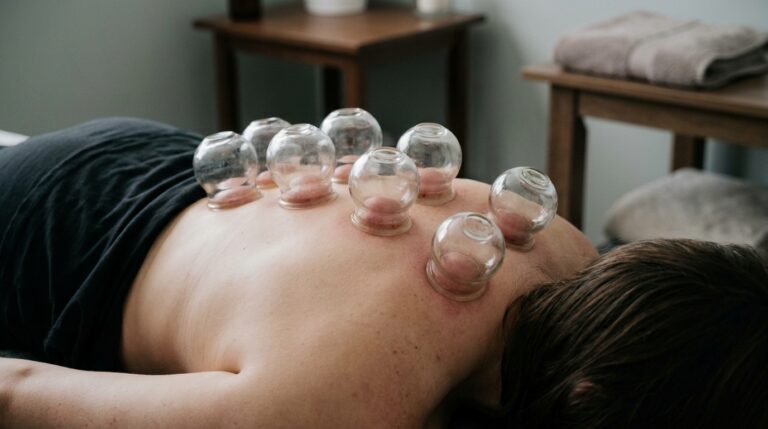
- Cupping: Often applied to the upper back or neck to address tension, circulation, or associated headaches. It can leave temporary circular marks.
- Heat therapy: Some practitioners use warming techniques when symptoms are associated with feeling chilled or when there is significant fatigue.
After-effects and what is normal
- You might feel relaxed, pleasantly tired, or mentally clear afterward.
- Some people experience temporary symptom shifts (a brief increase in drainage, a mild headache, or mild fatigue) that settles within 24 hours.
- Hydration and light movement often help your body integrate treatment.
Most patients can return to work or normal activities the same day. If you are new to acupuncture, scheduling your first visit when you have a little flexibility afterward can be helpful.
Timing matters more with pollen than most people expect, so it helps to know what a plan looks like before the season starts. Our page on acupuncture for seasonal allergies covers the research and how care is usually scheduled.
Treatment Timeline: Preventive vs In-Season vs Maintenance
One of the most common questions related to acupuncture treatment timeline for allergies is how long it takes to notice relief and how many visits are needed. The plan depends on symptom severity, how long you have had allergies, and whether you start before pollen peaks.
| Plan template | Typical frequency | Typical duration | Primary goals |
|---|---|---|---|
| Preventive (pre-season) | 1 to 2 times per week | 4 to 8 weeks (often starting 2 to 4 weeks before peak pollen) | Lower baseline reactivity, reduce severity of upcoming symptoms, build resilience |
| In-season support | 2 times per week for 1 to 2 weeks, then weekly | 4 to 8 weeks | Reduce congestion, sneezing, and runny nose, improve sleep, decrease flare intensity |
| Maintenance | Every 2 to 4 weeks (or as flare-ups begin) | Ongoing during allergy months | Keep symptoms controlled, handle high-pollen days faster, support long seasons |
When do people notice change? Some patients report feeling less congested or less “foggy” within a few visits. Others need a longer runway. If you are not noticing any meaningful shift by about 4 to 6 visits, it is reasonable to review the plan, confirm triggers, and coordinate with your other clinicians.
Combining Acupuncture With Antihistamines, Nasal Sprays, and Immunotherapy
In most cases, acupuncture is used as a complement, not a replacement. If your goal is allergy relief with acupuncture, the safest approach is often integrated care.
- Antihistamines: Many patients continue oral antihistamines (such as cetirizine, loratadine, or fexofenadine) while starting acupuncture. If symptoms improve, discuss step-down changes with the prescribing clinician.
- Nasal sprays: Intranasal steroid sprays and other clinician-recommended sprays can be used alongside acupuncture. Consistency often matters more than “as needed” use for inflammation control.
- Immunotherapy: Allergy shots or sublingual immunotherapy are typically compatible with acupuncture care. They address allergic sensitivity over time, while acupuncture may help reduce symptom burden during the process.
- Asthma care and rescue medications: If you have asthma or a history of severe allergic reactions, keep rescue medication available as prescribed. Acupuncture should not delay urgent evaluation when breathing symptoms are present.
At Thrive Health Acupuncture, care plans are designed to fit alongside guidance from your primary care provider or allergist, with an emphasis on safe coordination and clear expectations.
Supportive Habits for High-Pollen Days (Home + Outdoors)
Acupuncture works best when paired with practical exposure reduction. Below is a simple “pollen avoidance” playbook you can apply during your season.
Bedroom routine (where you spend the most time)
- Keep windows closed during high-count days, especially overnight.
- Shower before bed to remove pollen from hair and skin, and consider rinsing your face and eyebrows if you have eye symptoms.
- Change clothes after outdoor time and keep worn items out of the bedroom.
- Wash bedding regularly in hot water when possible, and avoid drying sheets outdoors during peak pollen.
- Use HEPA filtration in the bedroom if available, and vacuum with a HEPA filter if you are sensitive to indoor dust.
Outdoor timing and “high-count day” strategy
- Plan outdoor workouts strategically: Many people do better after rain, and worse on dry, windy days when pollen spreads easily.
- Limit yard work during peak times. If you must do it, wear protective gear and shower soon afterward.
- Have a flare plan: On severe days, shorten outdoor exposure, prioritize indoor workouts, and use your clinician-recommended medicine consistently.
Masks and eye strategies
- Masks: A well-fitting mask can reduce inhaled pollen when counts are high, especially for mowing, gardening, or walking near heavy vegetation.
- Glasses or sunglasses: Eye protection can reduce pollen contact and may reduce itchy/watery eyes.
- Do not rub your eyes: Rubbing drives pollen deeper into the tissues and often worsens itching.
Car and HVAC filters
- Use recirculation mode in the car on high-count days.
- Replace cabin air filters and home HVAC filters on a consistent schedule, especially during heavy pollen seasons.
- Avoid leaving windows open while driving in peak pollen conditions.
These steps can reduce the overall “pollen load” on your body, which can make any treatment, including acupuncture, more effective.
When to See a Licensed Acupuncturist (and When to Seek Urgent Care)
Acupuncture is a reasonable option to explore if allergies are affecting your sleep, work focus, exercise routine, or overall quality of life, especially if you are already using standard strategies and still struggling.
Good candidate checklist
- You have seasonal allergies (hay fever) or allergic rhinitis with recurring symptoms each season.
- You want additional support for nasal congestion, sneezing, postnasal drip, or itchy eyes.
- You prefer an integrative approach that can work alongside medicine.
- You can commit to a short series of visits for best results.
Not a good candidate, or needs extra precautions
- Uncontrolled asthma, wheezing, or breathing difficulty needs medical management first.
- History of anaphylaxis requires an allergist-led plan and emergency preparedness. Acupuncture should not replace that care.
- Bleeding disorders or use of anticoagulants may require modified technique and point selection.
- Pregnancy or trying to conceive: acupuncture can be appropriate, but points and techniques should be pregnancy-safe.
- Needle phobia: talk with the practitioner. Some people do well with a slow approach, fewer needles, or acupressure-based strategies.
Seek urgent care now if you have
- Shortness of breath, chest tightness, wheezing, or throat swelling
- Facial swelling, hives with systemic symptoms, or signs of a severe allergic reaction
- High fever, severe one-sided facial pain, confusion, or rapidly worsening symptoms
Long Island Callout: Extended Seasons and Overlapping Triggers
In East Setauket, Sayville, Smithtown, and Westhampton, many patients experience an extended allergy season because tree pollen can roll into grass pollen, which then overlaps with late-summer and fall weeds (including ragweed). That overlap often explains why people feel like they are “always congested” from spring into fall.
For many Long Island patients, a practical strategy is to time acupuncture around the most disruptive window. Some start 2 to 4 weeks before their usual peak, others schedule short “boost” series as each pollen wave begins. Your practitioner can help adjust the schedule to your specific symptom season and typical response.
Frequently Asked Questions
Does acupuncture help allergies, or is it only for relaxation?
Acupuncture is often used for allergy symptoms, not only relaxation. Research suggests it may help some people with allergic rhinitis by reducing nasal symptom severity and improving quality of life. Relaxation and better sleep can be secondary benefits that also support steadier immune system responses during pollen season.
How many sessions of acupuncture for seasonal allergies do I need?
Many treatment plans use about 6 to 12 sessions, commonly delivered weekly or twice weekly at the start. Preventive plans often begin 2 to 4 weeks before peak pollen. If symptoms are severe or long-standing, a longer series or in-season maintenance may be recommended for more stable relief.
How long do results last after acupuncture for hay fever?
Results vary. Some people feel improvement for days after a session, while others notice benefits that build over multiple treatments. Many patients aim for symptom control through the season, then stop and return before the next season. Maintenance visits can help during extended pollen stretches or unexpected flare-ups.
Can acupuncture help itchy or watery eyes from allergies?
It may. Some patients notice less eye itching and watering, especially when acupuncture is combined with exposure reduction (glasses outdoors, not rubbing eyes, showering after pollen exposure). Eye symptoms can be more stubborn than nasal symptoms, so it is common to see partial improvement rather than complete resolution.
Can I do acupuncture while taking antihistamines or nasal sprays?
In most cases, yes. Acupuncture is commonly combined with antihistamines and intranasal sprays. If you improve and want to reduce medicine use, talk with the prescribing clinician before changing doses. The goal is safe symptom control, especially during high-count pollen days when flare risk is higher.
Can acupuncture be used with allergy shots (immunotherapy)?
Acupuncture is typically compatible with immunotherapy, including allergy shots and sublingual options, because they work through different mechanisms. Immunotherapy aims to reduce sensitivity over time, while acupuncture may help reduce symptom burden and improve comfort during the process. Coordinate timing with your allergist if you have questions.
Is intranasal acupuncture different from regular acupuncture for allergic rhinitis?
Yes. Intranasal acupuncture refers to specialized techniques focused within or very near the nasal area, whereas “regular” acupuncture typically includes facial and body points (hands, arms, legs, upper back). Not every clinic offers intranasal techniques. Many patients still do well with standard acupuncture point prescriptions for allergies.
nbsp
Get ahead of the next pollen season
If sneezing, congestion, and itchy eyes come back every spring, a licensed acupuncturist can review your history and suggest a schedule that fits your symptoms.