Acupuncture, a longstanding practice deeply rooted in ancient Chinese medicine, has been a treatment for numerous health issues over millennia. One of its less highlighted yet highly advantageous uses is in boosting blood circulation.
This article looks at how acupuncture aids circulation, explaining its mechanisms, the advantages it offers, and the specific conditions it can help manage.
Acupuncture and Circulation: An Overview
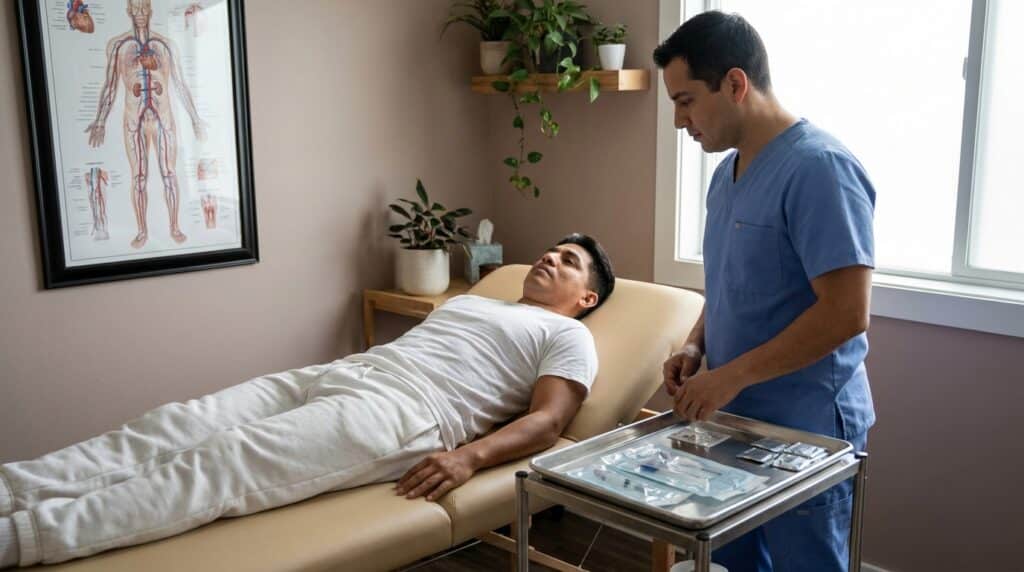
Acupuncture employs fine needles inserted by professionals into specific points on the body to varying depths. Traditional Chinese medicine believes this process balances the body’s energy, referred to as Qi.
In terms of circulation improvement, acupuncture is thought to activate the body’s natural healing processes, thereby enhancing blood flow and addressing issues related to poor circulation.
The Concept of Circulation
Circulation involves the movement of blood through the body’s arteries and veins, driven by the heart to supply oxygen and nutrients to all bodily tissues.
Proper circulation is essential for healthy tissue and organ function. When circulation is impaired, it can lead to various health problems, ranging from fatigue and dizziness to more serious conditions like organ damage and stroke.
The Mechanisms of Acupuncture in Boosting Circulation
The use of acupuncture for circulation is based on its potential to enhance the body’s systems. Discover how acupuncture affects the circulatory system below.
Acupuncture’s Influence on Blood Flow
Acupuncture points are strategically positioned near nerve fibers and blood vessels. When these points are stimulated, they cause vasodilation, or the widening of blood vessels, which allows more efficient blood flow throughout the body.
This increased blood circulation aids in oxygenating tissues and clearing carbon dioxide and other waste products more effectively.
Nervous System Activation
Acupuncture also promotes the release of vasodilators like nitric oxide, enhancing blood flow. Moreover, it can affect the autonomic nervous system, which controls smooth muscle and blood vessel diameter. By engaging the nervous system, acupuncture helps relax blood vessels, promoting improved circulation.
Effects on Blood Pressure
Consistent acupuncture treatments have been found to lower blood pressure by activating the body’s natural opioids, which relax the heart, lower the heart rate, and reduce blood pressure. This decrease in blood pressure can prevent various cardiovascular diseases and enhance overall circulatory health.
Advantages of Better Circulation
Enhanced blood flow provides numerous benefits:
- Improved Cellular Health and Organ Function
Better circulation ensures more effective delivery of nutrients and oxygen to cells across the body, which helps in enhancing organ function and boosting overall vitality.
- Quicker Recovery from Muscle Fatigue
For athletes and those engaging in regular physical activities, acupuncture can significantly shorten recovery time. Improved circulation aids in faster removal of lactic acid build-up and replenishment of muscles with essential nutrients, speeding up recovery.
- Alleviation of Peripheral Artery Disease (PAD) Symptoms
Acupuncture has shown potential in managing PAD symptoms, a common condition where narrowed arteries reduce limb blood flow. By improving circulation, acupuncture can help alleviate symptoms such as leg pain and numbness and even aid wound healing.
Acupuncture’s Role in Systemic Health Issues
Beyond general wellness and recovery, acupuncture can significantly contribute to managing and treating various health conditions associated with or resulting from poor circulation. Here are some conditions where acupuncture proves particularly effective.
Cardiovascular Health
Acupuncture benefits heart health by enhancing cardiac function and circulation. It can be used as a supplementary treatment for heart failure and other heart-related conditions to boost cardiac performance and alleviate symptoms.
Diabetic Nerve Damage
For diabetes patients, peripheral neuropathy can be debilitating. Acupuncture can improve blood flow to the extremities, reducing symptoms and preventing complications.
Raynaud’s Syndrome
This condition is marked by episodes of reduced blood flow to the fingers and toes, usually in response to cold or stress. Acupuncture has been found to reduce the frequency and intensity of episodes by enhancing peripheral circulation.
Acupuncture provides a well-rounded approach to boosting circulation, offering a non-invasive solution to enhance health and address various circulatory issues.
Clinical Evidence Supporting Acupuncture for Circulation
Acupuncture’s efficacy in enhancing circulation is backed by numerous clinical studies showing measurable improvements in blood flow and related symptoms. These studies offer a scientific foundation for the traditional claims of acupuncture’s circulatory health benefits.
Scientific Insights
A key study on patients with cardiovascular conditions showed that acupuncture sessions improved blood flow dynamics, evidenced by increased blood velocity and decreased vascular resistance.
Another study focused on PAD patients found that acupuncture treatments improved limb perfusion, crucial in managing the disease and preventing its progression.
Exploring Mechanisms
Research into acupuncture’s effect on circulation suggests multiple biological processes are involved. These include releasing neurotransmitters that regulate blood pressure, reducing systemic inflammation that can constrict blood vessels, and stimulating the body’s natural painkillers to alleviate stress and facilitate smoother blood flow.
Comparing Acupuncture and Conventional Medicine
Conventional medicine often relies on medications like blood thinners and antihypertensive drugs to enhance blood flow and reduce the risk of circulatory complications. These treatments are usually quick to act, supported by extensive research validating their efficacy and necessary dosages.
However, they can also have side effects, ranging from mild to severe, depending on an individual’s overall health and other medications they may be taking.
In contrast, acupuncture offers a non-pharmacological method for enhancing circulation. It typically has fewer side effects and can be an excellent option for individuals seeking a whole-person treatment method.
It promotes natural blood flow and helps regulate the body’s mechanisms for maintaining vascular health. This method is particularly appealing to those wishing to complement or avoid traditional drug therapies.
Combining Acupuncture with Other Therapies
For optimal circulatory health, acupuncture can be integrated with other medical and lifestyle interventions. This whole-person approach ensures that all underlying factors affecting circulation are addressed.
Lifestyle Changes
Encouraging patients to adopt healthier lifestyles is part of a thorough treatment plan. Dietary adjustments, regular physical activity, and smoking cessation are crucial. Acupuncture complements these changes by helping manage stress and reduce inflammation, making it easier for patients to maintain these lifestyle shifts.
Conventional Medical Treatments
In cases where circulation issues result from underlying health conditions like diabetes or hypertension, acupuncture serves as a complementary treatment. It works alongside medications to enhance efficacy and manage side effects, such as those from statins or blood pressure medications.
See a Thrive clinician
Acupuncture, dry needling and physical therapy across four Long Island offices. Same-week appointments are usually available, and you do not need a referral to start.
Individual Patient Care Plans
Healthcare providers often develop individualized acupuncture plans based on the patient’s specific circulatory issues, overall health, and treatment goals. This customization ensures that each session maximizes the potential health benefits for the patient, addressing both acute symptoms and long-term health objectives.
Nutritional Impact
Diet significantly influences vascular health, with certain nutrients playing key roles in enhancing blood flow and reducing inflammation. Foods rich in omega-3 fatty acids, magnesium, and antioxidants can help improve arterial health and lower blood pressure.
Integrating nutritional counseling with acupuncture can boost the circulatory benefits. For instance, while acupuncture stimulates specific points to enhance circulation, adhering to a heart-healthy diet can sustain these benefits long-term. This whole-person approach addresses immediate symptoms and fosters lasting vascular health.
Managing Stress
Chronic stress can constrict blood vessels and raise heart rate, leading to impaired circulation and increased cardiovascular disease risk. Effective stress management is crucial for maintaining optimal circulatory health.
Acupuncture is an excellent complement to stress reduction techniques like meditation, yoga, or Tai Chi. These practices reduce stress and promote relaxation, which can help dilate blood vessels and improve blood flow.
When used alongside acupuncture, they create a well-rounded approach that alleviates stress and supports enhanced circulatory function, benefiting overall health and wellness.
Incorporating Acupuncture into Your Wellness Routine
Including acupuncture in a regular wellness routine can help maintain and improve circulation over the long term. Here are some practical tips for those considering acupuncture.
Consistent Sessions
Depending on the severity and nature of your circulatory issues, regular acupuncture sessions, ranging from once a week to once a month, can be beneficial. Consistency is key to achieving lasting benefits.
Pairing with Exercise
Combining acupuncture with regular exercise enhances its circulatory benefits. Activities like walking, cycling, or yoga can complement acupuncture’s effects by naturally boosting blood flow and improving vascular health.
Tracking Improvements
Monitoring changes in symptoms and any improvements in overall wellness can help adjust acupuncture treatments over time. Regular check-ins with your acupuncturist and primary healthcare provider are essential.
A Flexible Treatment Choice
Acupuncture offers a powerful way to enhance circulation and, in turn, improve overall health. Its ability to integrate with other health interventions and adapt to individual needs makes it a versatile and effective treatment for many circulatory issues.
For those aiming to improve their circulatory health, considering acupuncture can be a step toward a healthier, more vibrant life. Whether dealing with specific health conditions or seeking to enhance general wellness, it provides a well-studied, non-invasive option that complements traditional medical treatments and supports thorough health strategies.
Thrive Health Acupuncture: Whole-Person Wellness Solutions
At Thrive Health Acupuncture, we specialize in using acupuncture to boost circulation and promote overall health. Our skilled practitioners adjust treatments to each patient’s specific needs, focusing on points that maximize blood flow and enhance vascular health.
We provide a compassionate and supportive environment where patients are encouraged to discuss their health goals and concerns, ensuring each session contributes positively to their overall well-being. Our whole-person approach also includes acupressure, massage, and dry needling – all performed professionally for optimal health benefits.
Frequently Asked QuestionsHow does acupuncture improve blood circulation?
Acupuncture stimulates specific points near nerve fibers and blood vessels, which can promote vasodilation (widening of blood vessels) and support smoother blood flow. It may also encourage the release of vasodilators such as nitric oxide and influence the autonomic nervous system, helping blood vessels relax. Together, these effects can improve oxygen and nutrient delivery to tissues and help the body clear metabolic waste more efficiently.
Can acupuncture help with poor circulation in the legs and feet?
Yes, acupuncture is often used to support circulation in the extremities, where symptoms like cold feet, numbness, tingling, or cramping can occur when blood flow is reduced. By promoting vasodilation and nervous system regulation, treatments may help increase blood flow to the limbs. It can be especially relevant for people experiencing circulation-related discomfort, though underlying causes should still be evaluated by a medical professional.
Is acupuncture effective for peripheral artery disease (PAD) symptoms?
Acupuncture has shown potential as a supportive approach for managing PAD-related symptoms such as leg pain, numbness, and slow wound healing. Improved circulation may help tissues receive more oxygen and nutrients, which can reduce discomfort and support recovery. It’s best used as a complementary therapy alongside a clinician-guided plan for PAD.
Can acupuncture lower blood pressure and support cardiovascular health?
Consistent acupuncture treatments may help lower blood pressure by promoting relaxation responses in the body, including the release of natural opioids that can reduce heart rate and ease cardiovascular strain. By supporting healthier blood pressure levels and blood vessel function, acupuncture may contribute to overall circulatory and heart health. People with hypertension should continue prescribed medical care and use acupuncture as an adjunct, not a replacement.
How does acupuncture help with muscle recovery and fatigue after exercise?
Improved circulation can speed recovery by helping the body clear lactic acid buildup and other byproducts of intense activity. Better blood flow also supports faster delivery of oxygen and nutrients needed for muscle repair. This is why many athletes and active individuals use acupuncture to reduce soreness and shorten downtime between workouts.
How many acupuncture sessions are needed to see circulation benefits?
The number of sessions varies based on the severity of circulation issues, overall health, and treatment goals. Some people notice changes after a few sessions, while chronic or complex conditions often require a consistent course of treatment over several weeks. A licensed acupuncturist can adjust a plan and adjust it based on how your symptoms respond.
Is acupuncture safe for people with circulation problems?
When performed by a trained, licensed professional using sterile needles, acupuncture is generally considered safe for most people. However, anyone with significant cardiovascular disease, bleeding disorders, or those taking blood thinners should consult their healthcare provider and inform the acupuncturist before starting treatment. This ensures the approach is appropriate and coordinated with existing medical care.
How does acupuncture improve blood circulation?
Acupuncture stimulates specific points near nerve fibers and blood vessels, which can promote vasodilation (widening of blood vessels) and support smoother blood flow. It may also encourage the release of vasodilators such as nitric oxide and influence the autonomic nervous system, helping blood vessels relax. Together, these effects can improve oxygen and nutrient delivery to tissues and help the body clear metabolic waste more efficiently.
Can acupuncture help with poor circulation in the legs and feet?
Yes, acupuncture is often used to support circulation in the extremities, where symptoms like cold feet, numbness, tingling, or cramping can occur when blood flow is reduced. By promoting vasodilation and nervous system regulation, treatments may help increase blood flow to the limbs. It can be especially relevant for people experiencing circulation-related discomfort, though underlying causes should still be evaluated by a medical professional.
Is acupuncture effective for peripheral artery disease (PAD) symptoms?
Acupuncture has shown potential as a supportive approach for managing PAD-related symptoms such as leg pain, numbness, and slow wound healing. Improved circulation may help tissues receive more oxygen and nutrients, which can reduce discomfort and support recovery. It’s best used as a complementary therapy alongside a clinician-guided plan for PAD.
Can acupuncture lower blood pressure and support cardiovascular health?
Consistent acupuncture treatments may help lower blood pressure by promoting relaxation responses in the body, including the release of natural opioids that can reduce heart rate and ease cardiovascular strain. By supporting healthier blood pressure levels and blood vessel function, acupuncture may contribute to overall circulatory and heart health. People with hypertension should continue prescribed medical care and use acupuncture as an adjunct, not a replacement.
How does acupuncture help with muscle recovery and fatigue after exercise?
Improved circulation can speed recovery by helping the body clear lactic acid buildup and other byproducts of intense activity. Better blood flow also supports faster delivery of oxygen and nutrients needed for muscle repair. This is why many athletes and active individuals use acupuncture to reduce soreness and shorten downtime between workouts.
How many acupuncture sessions are needed to see circulation benefits?
The number of sessions varies based on the severity of circulation issues, overall health, and treatment goals. Some people notice changes after a few sessions, while chronic or complex conditions often require a consistent course of treatment over several weeks. A licensed acupuncturist can adjust a plan and adjust it based on how your symptoms respond.
Is acupuncture safe for people with circulation problems?
When performed by a trained, licensed professional using sterile needles, acupuncture is generally considered safe for most people. However, anyone with significant cardiovascular disease, bleeding disorders, or those taking blood thinners should consult their healthcare provider and inform the acupuncturist before starting treatment. This ensures the approach is appropriate and coordinated with existing medical care.