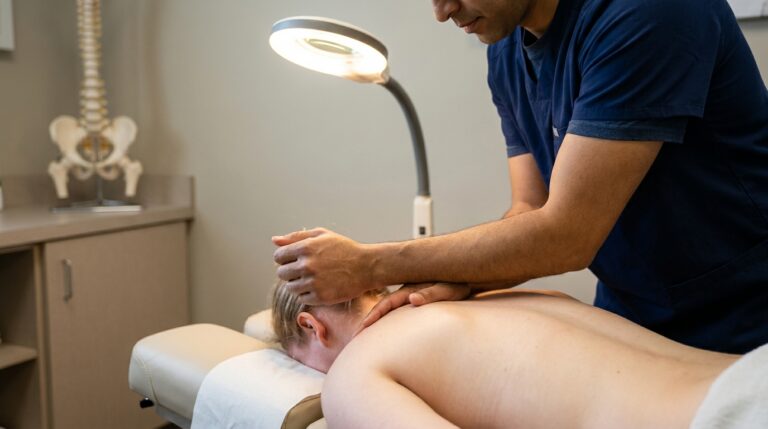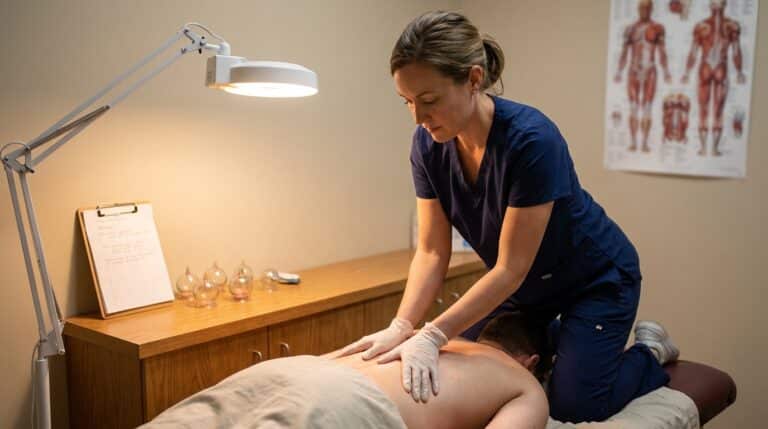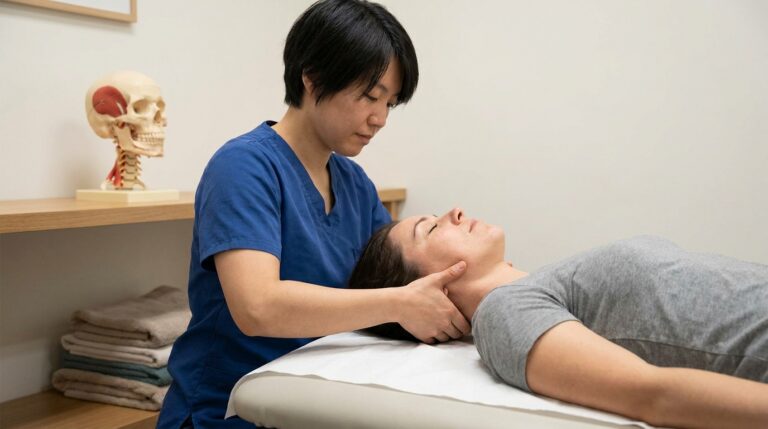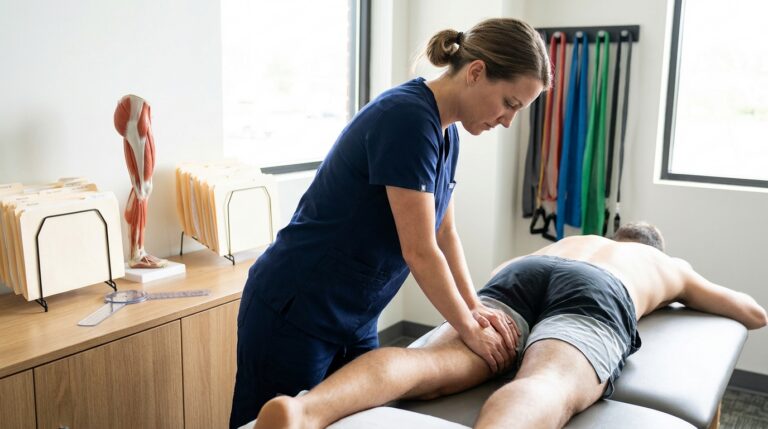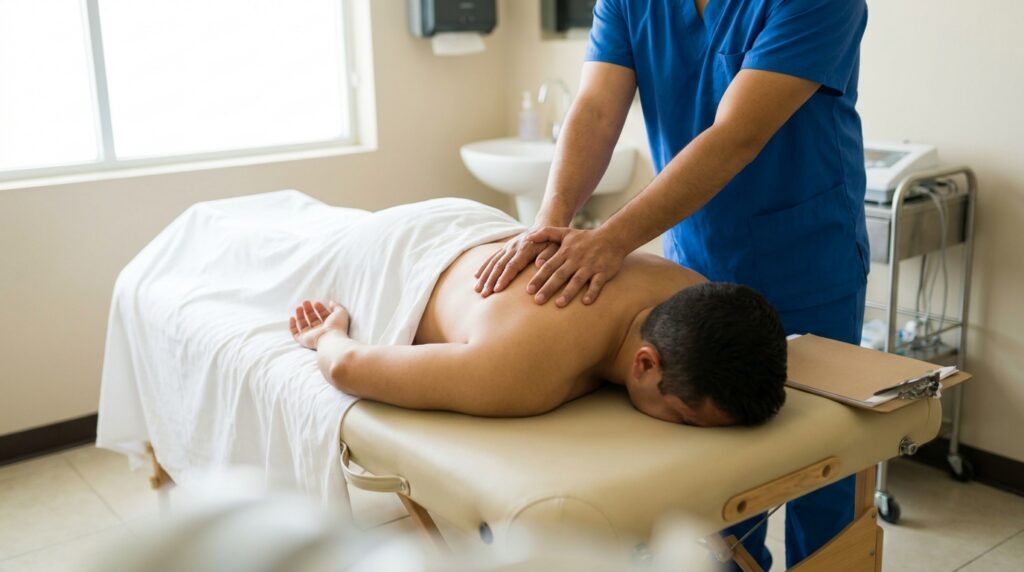
Experience the remarkable advantages of Medical Massage Therapy for alleviating chronic pain in Setauket, NY. This clinician-led manual therapy addresses soft-tissue concerns, alleviating ongoing pain and restoring function. Discover how Medical Massage Therapy operates, its patient outcomes, responsive conditions, and its comparison with other massage techniques, with a focus on Setauket. For those with persistent pain or limited mobility, Medical Massage Therapy targets the underlying tissue causes, offering methods like myofascial release and effectively combining with acupuncture. We also discuss insurance and local options.
Understanding Medical Massage Therapy and Its Mechanisms
Medical massage therapy is a method driven by thorough assessment. Practitioners utilize targeted manual methods to address soft-tissue dysfunction, alleviate pain, and restore movement. Therapists identify dysfunctional tissues such as tight fascia, trigger points, or scar tissue, applying focused pressure and mobilization. This process normalizes muscle tone, enhances tissue glide, reduces pain, and supports scar remodeling, setting it apart from general relaxation massages.
Distinctions Between Medical Massage Therapy and Traditional Massage
Medical massage therapy differentiates itself from relaxation massage through its intent, evaluation, and documentation. Sessions initiate with a clinical assessment of posture, range of motion, and pain sources, followed by a treatment plan addressing identified dysfunctions. Techniques like myofascial release target specific tissue challenges. Progress is documented as part of a therapeutic plan, aiding coordination with other providers and supporting insurance documentation.
Pain Targeting and Healing Promotion Through Medical Massage Therapy
Medical massage therapy merges mechanical and neurophysiological effects to restore tissue function and alleviate pain. Mechanically, targeted pressure across fascia and scar tissue enhances extensibility, increasing range of motion. Neurophysiologically, stimulating mechanoreceptors and releasing active trigger points diminishes central sensitization and interrupts chronic pain cycles. Enhanced microcirculation and lymphatic flow also help clear inflammatory mediators. Research indicates targeted manual therapy reduces chronic pain and boosts function.
Primary Advantages of Medical Massage Therapy
Medical massage therapy delivers substantial benefits for chronic pain and musculoskeletal dysfunction: precise pain relief, enhanced circulation, accelerated recovery, and improved range of motion and posture. These benefits cater to individuals seeking therapeutic, outcome-focused care. Below is a concise benefits list and a reference table linking mechanisms to expected outcomes. Advantages of medical massage therapy include: – Targeted pain relief: Techniques focusing on trigger points and tight muscles alleviate discomfort. – Enhanced circulation & reduced inflammation: Manual mobilization increases blood/lymph flow, clearing inflammatory byproducts. – Faster recovery post-injury or surgery: Scar mobilization and edema control facilitate earlier mobility recovery. – Improved range of motion & posture: Fascial release and neuromuscular retraining restore movement, reducing strain.
Medical Massage Therapy’s Role in Chronic Pain Relief
Medical massage therapy addresses tissue causes of pain, hypertonic muscles, fascial adhesions, and active myofascial trigger points, through specific techniques to normalize tissue behavior. Clinicians conduct a focused examination to identify painful motion arcs and referral patterns, using interventions like ischemic compression and myofascial mobilization. Chronic low-back pain often sees improvement with lumbar paraspinal trigger point work, reducing referred pain and restoring function. Many patients report noticeable pain relief within a few sessions.
Enhancing Circulation and Reducing Inflammation with Medical Massage Therapy
Medical massage therapy enhances circulation and reduces inflammation by mechanically stimulating blood flow and enhancing lymphatic return. Improved perfusion delivers oxygen and nutrients, clearing metabolic waste and inflammatory mediators. Lymphatic-focused techniques control edema post-injury or surgery, enabling earlier rehabilitation. Patients often notice reduced stiffness and soreness within days, with cumulative improvements in tissue quality and fewer inflammatory flare-ups over several weeks.
See a Thrive clinician
Acupuncture, dry needling and physical therapy across four Long Island offices. Same-week appointments are usually available, and you do not need a referral to start.
Effective Conditions Treated by Medical Massage Therapy
Medical massage therapy effectively addresses a variety of musculoskeletal and chronic pain conditions, including persistent low back/neck pain, sciatica, tension-type headaches, fibromyalgia-related myofascial pain, and post-operative soft-tissue restrictions. It’s also beneficial for sports injuries and rehabilitation plans focusing on scar mobility. This approach is utilized when soft-tissue drivers contribute to symptoms and measurable functional goals guide care.
Musculoskeletal and Chronic Conditions Benefiting from Medical Massage Therapy
Many chronic and musculoskeletal presentations improve with medical massage therapy when soft-tissue dysfunction is a contributing factor. Patients with axial pain, myofascial referral patterns, TMJ muscular tension, and repetitive strain syndromes often experience reduced pain and enhanced function. For fibromyalgia, techniques adapt to patient tolerance, used alongside other modalities. Coordinating care with physicians or physical therapists is recommended when integrating manual therapy into a larger medical plan.
Medical Massage Therapy in Post-Surgical Recovery and Rehabilitation
In post-operative and rehabilitation settings, medical massage therapy treats scar adhesions, reduces swelling, and retrains muscles and fascia. Early interventions focus on gentle lymphatic support and pain modulation; later phases emphasize scar remodeling and myofascial release to restore full range of motion. After orthopedic procedures, measured scar mobilization with ROM exercises shortens timelines to milestones. Coordination with surgeons and physical therapists determines safe timing and treatment intensity.
Comparing Medical Massage Therapy to Other Massage Types
Medical massage therapy is characterized by clinical intent, assessment-led planning, and documentation supporting measurable outcomes. While relaxation massage focuses on general relaxation, medical massage therapy targets specific dysfunctions using techniques like neuromuscular therapy, myofascial release, and trigger point deactivation. Deep tissue massage employs firmer pressure but often lacks structured assessment and outcome tracking.
Differences Between Medical Massage Therapy and Deep Tissue Massage
Medical massage therapy and deep tissue massage both employ firmer pressure on deeper muscle layers but differ in clinical context. Medical massage therapy starts with a targeted assessment, sets measurable goals, and documents progress as part of a care plan, often integrated into broader rehabilitation. Deep tissue massage generally alleviates generalized deep muscle tension, lacking diagnostic assessment or medical follow-up. For patients with outcome-driven rehabilitation goals, medical massage therapy tracking functional progress is typically preferable.
Complementing Acupuncture and Dry Needling with Medical Massage Therapy
Medical massage therapy complements acupuncture and dry needling effectively. The manual release of tight fascia and trigger points enhances needling effectiveness. Needling can reduce hypertonicity, which manual techniques then reinforce. Clinicians may deliver both therapies in one visit for synergy or alternate sessions. Together, these modalities form a multidisciplinary approach addressing muscle and neural contributors to chronic pain.
Choosing Thrive Health for Medical Massage Therapy in Setauket, NY
Thrive Health, a family-owned Setauket clinic, offers integrated care for pain and wellness, including medical massage therapy, acupuncture, and acupressure. They emphasize individualized, outcome-driven plans for orthopedic and chronic pain. Their team assists with insurance documentation and flexible scheduling. Their approach focuses on measurable improvements in pain, range of motion, and function. For targeted medical massage therapy in a coordinated clinic, Thrive Health presents a practical, integrated model for recovery.
Frequently Asked Questions
What Should I Wear to a Medical Massage Therapy Session?
Wear comfortable, loose-fitting clothing. Your therapist will advise if specific access is needed, ensuring your comfort.
How Long Does a Typical Medical Massage Session Last?
Sessions last 30-60 minutes, depending on needs. Initial visits include assessment, while follow-ups focus on treatment. Your therapist will recommend the appropriate length.
Can Medical Massage Therapy Be Combined with Other Treatments?
Yes, medical massage combines effectively with acupuncture, physical therapy, and dry needling. Combining therapies enhances results. Discuss your goals with your provider.
Are There Any Side Effects Associated with Medical Massage Therapy?
Most individuals tolerate medical massage well. Mild soreness, temporary bruising, or fatigue may occur, resolving within a day or two. Communicate any discomfort for adjustments. Hydration aids recovery.
How Can I Prepare for My First Medical Massage Therapy Appointment?
Arrive early for paperwork. Bring your medical history, medications, and note pain areas. Comfortable clothing and discussing symptoms help your therapist adjust the session.
What Is the Expected Timeline for Seeing Results from Medical Massage Therapy?
Results vary. Many patients notice improvement within a few sessions, especially for acute pain. Chronic issues may require a longer commitment, typically weekly sessions over several weeks. Regular reassessment tracks progress.