Acupressure therapy, an ancient medicinal practice, has seen growing popularity due to its whole-person and non-invasive approach to health. As a core aspect of traditional Chinese medicine, acupressure involves applying pressure to particular body points to encourage healing, alleviate pain, and restore equilibrium. This article will look at the basics of acupressure therapy, exploring its principles, benefits, and how it can be smoothly integrated into your wellness routine.
Acupressure therapy, an ancient medicinal practice, has seen growing popularity due to its whole-person and non-invasive approach to health. As a core aspect of traditional Chinese medicine, acupressure involves applying pressure to particular body points to encourage healing, alleviate pain, and restore equilibrium. This article will look at the basics of acupressure therapy, exploring its principles, benefits, and how it can be smoothly integrated into your wellness routine.
Defining Acupressure
Acupressure is based on the theory that the body contains energy pathways known as meridians, which are channels for the vital life force energy called Qi (pronounced “chee”). According to traditional Chinese medicine, health issues can arise when the flow of Qi is obstructed or imbalanced. The goal of acupressure is to restore the natural flow of Qi by stimulating specific acupoints along these meridians, thereby enhancing the body’s innate healing capabilities.
Core Concepts of Acupressure
The fundamental concept of acupressure involves applying gentle pressure to acupoints to remove blockages and reestablish balance. These acupoints are situated on meridians that are related to specific organs or body systems. By activating these points, acupressure helps alleviate pain, decrease stress, and support overall health.
Methods and Instruments
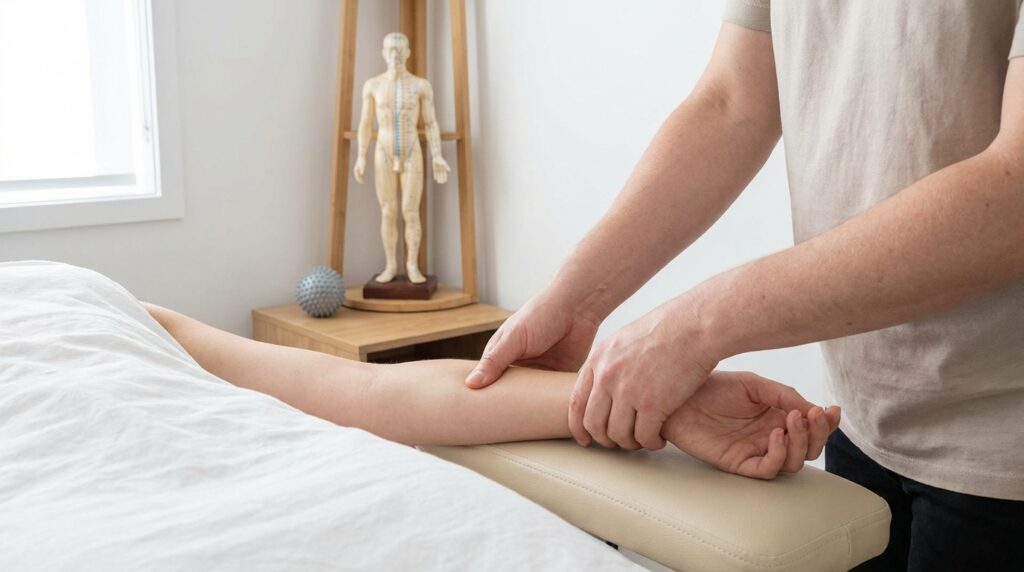
Acupressure therapy can be conducted using a variety of methods and tools. The most prevalent technique involves using fingers, thumbs, or palms to exert steady, gentle pressure on the acupoints. The duration of pressure can range from a few seconds to several minutes, depending on the desired outcome.
Besides manual techniques, practitioners may employ tools such as acupressure mats, balls, or rollers, which provide concentrated pressure on specific acupoints, aiding relaxation and tension release.
Advantages of Acupressure
- Alleviation of Pain: Acupressure therapy has demonstrated promising outcomes in relieving both chronic and acute pain. By activating acupoints associated with pain relief, acupressure encourages the release of endorphins, the body’s natural pain-relief chemicals, providing comfort and reducing dependency on medication.
- Stress Alleviation: Acupressure is renowned for its capacity to diminish stress and foster relaxation. By focusing on acupoints linked with stress and anxiety, such as the “Yintang” point between the eyebrows, acupressure can help soothe the mind, enhance mental clarity, and boost overall well-being.
- Digestive Health Improvement: Certain acupoints are connected to the digestive system, and their stimulation can ease digestive issues like nausea, bloating, and indigestion. Acupressure aids in regulating the flow of Qi in the stomach and intestines, promoting better digestion and nutrient absorption.
- Increased Energy and Vitality: Consistent acupressure therapy can amplify energy levels and improve overall vitality by optimizing Qi flow throughout the body. By clearing stagnant energy and encouraging its smooth circulation, acupressure revitalizes the body, leading to heightened energy, improved immune function, and increased stamina.
Consulting with a Professional
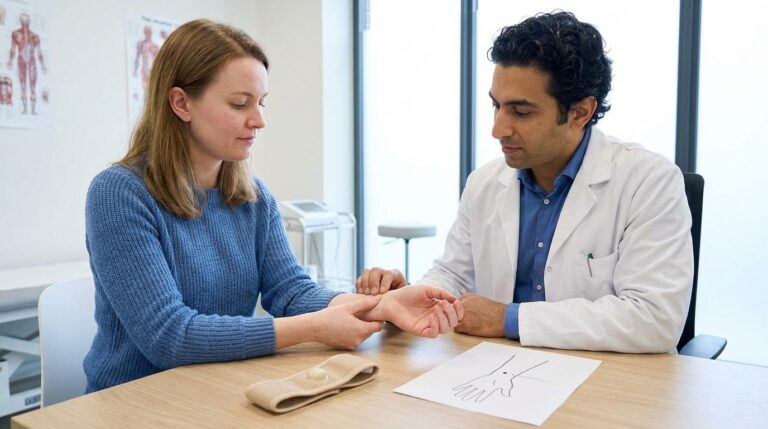
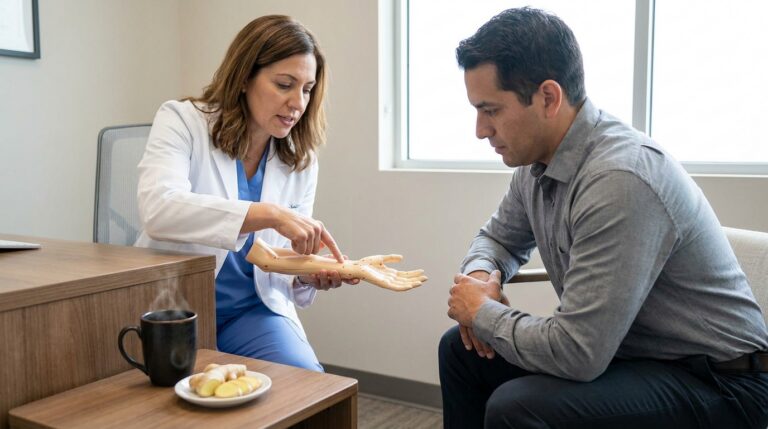
While acupressure can be practiced as a self-care routine, it is beneficial to consult a trained acupressure therapist or practitioner, particularly when addressing specific health concerns. A knowledgeable practitioner will have an in-depth understanding of the body’s meridian system and can provide customized treatment plans suited to your needs.
Important Safety Guidelines
Acupressure is generally considered safe when performed correctly. However, it is crucial to communicate any existing health conditions or concerns with your acupressure therapist. Pregnant women should seek advice from their healthcare provider before undergoing acupressure therapy, as certain acupoints are not recommended during pregnancy.
Acupressure therapy offers a natural and non-invasive means to enhance overall health. By stimulating specific acupoints along the body’s meridians, acupressure aids in restoring balance, alleviating pain, reducing stress, enhancing digestion, and boosting energy levels. Whether practiced independently or with guidance from a skilled professional, acupressure therapy can be a beneficial addition to your wellness routine, assisting in achieving optimal health and vitality.
See a Thrive clinician
Acupuncture, dry needling and physical therapy across four Long Island offices. Same-week appointments are usually available, and you do not need a referral to start.
Frequently Asked QuestionsWhat is acupressure therapy and how does it work?
Acupressure therapy is a traditional Chinese medicine practice that uses steady, gentle pressure on specific points of the body (acupoints). It’s based on the idea that energy pathways called meridians carry Qi, and discomfort can occur when that flow is blocked or imbalanced. By stimulating targeted acupoints, acupressure aims to restore balance and support the body’s natural healing processes.
What conditions can acupressure help with?
Acupressure is commonly used to support pain relief, stress reduction, and digestive comfort. Many people use it for concerns like chronic or acute aches, anxiety or tension, nausea, bloating, and indigestion. It may also help promote overall vitality by encouraging smoother energy flow throughout the body.
Is acupressure the same as acupuncture?
Acupressure and acupuncture are related and often use similar acupoints and meridian concepts, but they are not the same. Acupuncture uses thin needles inserted into the skin, while acupressure uses hands or tools to apply pressure without puncturing the skin. Because it’s non-invasive, acupressure is often easier to incorporate into a self-care routine.
How do I perform acupressure at home safely?
Start by using your fingers, thumbs, or palms to apply gentle, steady pressure to an acupoint for a few seconds up to several minutes, depending on your comfort and goal. The pressure should feel firm but not painful, and you should stop if you feel sharp discomfort or worsening symptoms. For specific health concerns or if you’re unsure about point location, consider guidance from a trained practitioner.
What tools are used for acupressure, and do they work?
In addition to hands-on techniques, acupressure mats, balls, and rollers are commonly used to deliver more concentrated pressure to targeted areas. These tools can be helpful for relaxation, releasing tension, and supporting consistent practice at home. Choosing a tool often depends on your comfort level and the body area you want to address.
How long does it take for acupressure to work?
Some people notice relaxation or symptom relief quickly, sometimes within minutes, especially for stress or mild tension. For ongoing issues such as chronic pain or persistent digestive discomfort, consistent sessions over time may be more beneficial. Results vary by individual, the concern being addressed, and how regularly acupressure is practiced.
When should I see a professional acupressure practitioner?
It’s a good idea to consult a trained acupressure therapist if you have specific health concerns, chronic symptoms, or want an individualized plan. A qualified practitioner can accurately locate acupoints, adjust techniques to your needs, and help you integrate acupressure into a broader wellness routine. Professional guidance can be especially valuable if self-care methods aren’t providing the results you expect.
What is acupressure therapy and how does it work?
Acupressure therapy is a traditional Chinese medicine practice that uses steady, gentle pressure on specific points of the body (acupoints). It’s based on the idea that energy pathways called meridians carry Qi, and discomfort can occur when that flow is blocked or imbalanced. By stimulating targeted acupoints, acupressure aims to restore balance and support the body’s natural healing processes.
What conditions can acupressure help with?
Acupressure is commonly used to support pain relief, stress reduction, and digestive comfort. Many people use it for concerns like chronic or acute aches, anxiety or tension, nausea, bloating, and indigestion. It may also help promote overall vitality by encouraging smoother energy flow throughout the body.
Is acupressure the same as acupuncture?
Acupressure and acupuncture are related and often use similar acupoints and meridian concepts, but they are not the same. Acupuncture uses thin needles inserted into the skin, while acupressure uses hands or tools to apply pressure without puncturing the skin. Because it’s non-invasive, acupressure is often easier to incorporate into a self-care routine.
How do I perform acupressure at home safely?
Start by using your fingers, thumbs, or palms to apply gentle, steady pressure to an acupoint for a few seconds up to several minutes, depending on your comfort and goal. The pressure should feel firm but not painful, and you should stop if you feel sharp discomfort or worsening symptoms. For specific health concerns or if you’re unsure about point location, consider guidance from a trained practitioner.
What tools are used for acupressure, and do they work?
In addition to hands-on techniques, acupressure mats, balls, and rollers are commonly used to deliver more concentrated pressure to targeted areas. These tools can be helpful for relaxation, releasing tension, and supporting consistent practice at home. Choosing a tool often depends on your comfort level and the body area you want to address.
How long does it take for acupressure to work?
Some people notice relaxation or symptom relief quickly, sometimes within minutes, especially for stress or mild tension. For ongoing issues such as chronic pain or persistent digestive discomfort, consistent sessions over time may be more beneficial. Results vary by individual, the concern being addressed, and how regularly acupressure is practiced.
When should I see a professional acupressure practitioner?
It’s a good idea to consult a trained acupressure therapist if you have specific health concerns, chronic symptoms, or want an individualized plan. A qualified practitioner can accurately locate acupoints, adjust techniques to your needs, and help you integrate acupressure into a broader wellness routine. Professional guidance can be especially valuable if self-care methods aren’t providing the results you expect.