If you’re searching for physical therapy Westhampton, you likely want two things: relief from pain or stiffness and a clear plan to get back to the activities you care about, work, sports, daily tasks, or simply moving with confidence. Physical therapy can help with both, but the best results typically come from a program that’s matched to your body, your goals, and your timeline.
This guide explains how physical therapy works, what conditions it can address, what your first visit may look like, and how to choose a provider, whether you’re looking in Westhampton or specifically for physical therapy Westhampton Beach and a physical therapist Westhampton Beach who understands your lifestyle and needs.
What Physical Therapy Is (and What It Isn’t)
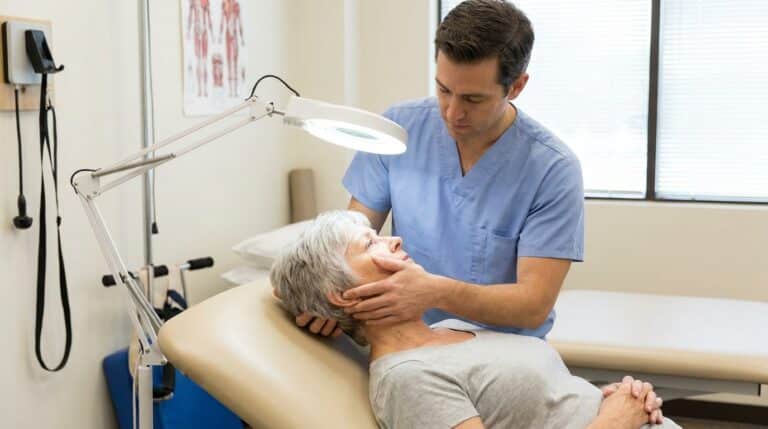
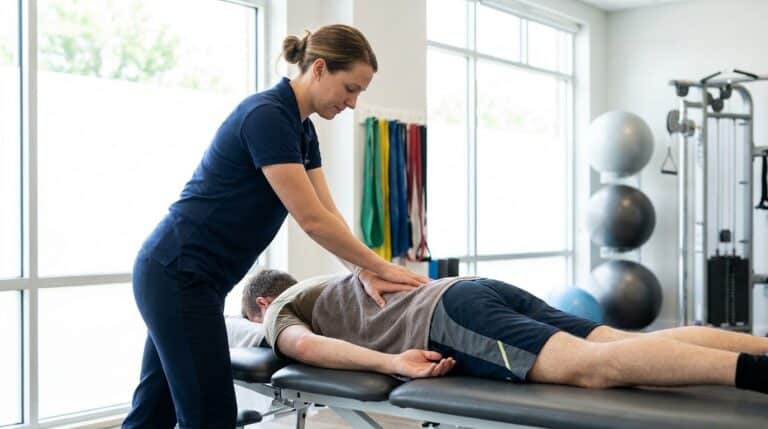
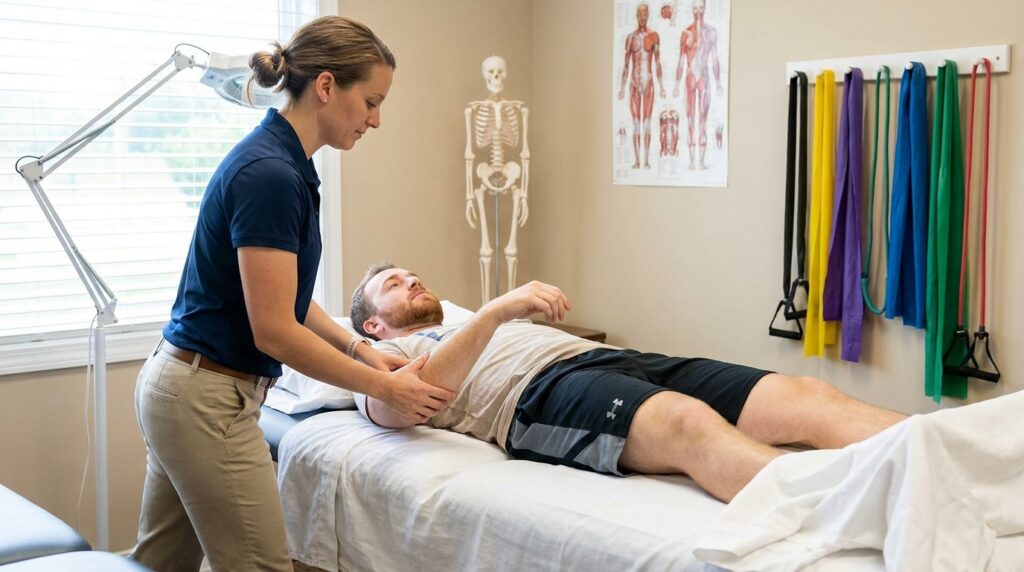
Physical therapy is a healthcare service focused on improving movement, reducing pain, restoring function, and preventing future injury. It often combines:
- Hands-on care to improve mobility and reduce symptoms
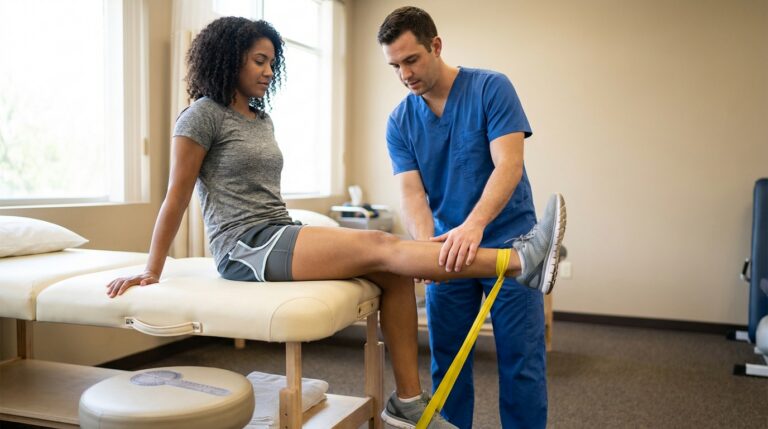
- Therapeutic exercise to build strength, endurance, and control
- Education about posture, activity modification, and self-management
- Progressive training to return to sport, work, or daily life safely
Physical therapy is not a one-size-fits-all set of stretches. A high-quality plan is based on a detailed evaluation, ongoing reassessment, and progression over time.
Why People Seek Physical Therapy in Westhampton
Life in and around Westhampton often includes a mix of seasonal activity, outdoor recreation, commuting, and physically demanding work. Many people seek physical therapy Westhampton for issues that build up gradually, like shoulder irritation, back pain, or tendon discomfort, as well as for sudden injuries.
Common reasons to start physical therapy include:
- Back pain, neck pain, or sciatica-like symptoms
- Shoulder pain (rotator cuff irritation, impingement, instability)
- Knee pain (patellofemoral pain, tendon issues, arthritis-related symptoms)
- Hip pain (mobility limitations, muscle imbalance, tendon irritation)
- Ankle sprains, foot pain, plantar fascia irritation
- Sports injuries and overuse conditions
- Post-operative rehabilitation
- Balance concerns and fall prevention
- Headaches related to neck tension or posture
If you’re searching for physical therapy Westhampton Beach, you may also want care that supports activities like walking on sand, cycling, swimming, tennis, golf, or running. Each of which places unique demands on joints and soft tissue.
Conditions Physical Therapy Commonly Treats
Back Pain and Neck Pain
Back and neck pain can come from muscle strain, joint irritation, disc-related issues, poor movement habits, or a combination of factors. Physical therapy often focuses on:
- Improving mobility where you’re stiff and stability where you’re vulnerable
- Building core and hip strength to reduce stress on the spine
- Teaching strategies for lifting, sitting, and sleeping more comfortably
- Gradually returning to activities that may have become painful
Shoulder, Elbow, and Wrist Pain
Upper extremity pain is common with repetitive lifting, overhead activity, sports, and desk work. A plan may include:
- Restoring shoulder blade and rotator cuff control
- Improving thoracic (mid-back) mobility to reduce shoulder strain
- Progressive loading for tendons (when appropriate)
- Grip and forearm training for elbow/wrist symptoms
Hip, Knee, and Ankle Problems
Lower body pain often relates to strength deficits, reduced mobility, gait changes, or training errors. Physical therapy may help by:
- Improving hip and ankle mobility to support knee mechanics
- Strengthening glutes, quads, calves, and foot intrinsics
- Improving balance and single-leg control
- Guiding a return-to-running or return-to-sport progression
Arthritis and Age-Related Stiffness
While physical therapy does not reverse arthritis, it can often improve function and comfort by enhancing joint mobility, strengthening supportive muscles, and teaching pacing strategies. Many people are surprised by how much better they can move with the right combination of strengthening and activity modification.Post-Operative Rehabilitation
After surgery, physical therapy helps restore range of motion, rebuild strength, and re-train movement patterns. Your plan should follow your surgeon’s guidelines while still being individualized to your recovery pace and goals.
What to Expect at Your First Physical Therapy Visit
A strong start sets the tone for your recovery. Whether you’re booking physical therapy Westhampton or physical therapy Westhampton Beach, your first visit typically includes:
1) A Detailed History
Your therapist will ask about your symptoms, what aggravates or eases them, your activity level, prior injuries, medical history, and goals. This is also the time to share what you’ve already tried and what you’re worried about.
2) A Movement and Strength Assessment
This may include range-of-motion testing, strength testing, balance tasks, walking analysis, and functional movements like squats, step-downs, reaching, or lifting patterns, depending on your issue.
3) A Clear Plan of Care
You should leave the evaluation with:
- A working explanation of what may be driving your symptoms
- Short-term and long-term goals
- A recommended frequency of visits and a home program
- Guidance on what to avoid (and what to keep doing)
4) Initial Treatment
Many sessions include a combination of hands-on techniques, guided exercise, and education. The emphasis should be on building your capacity over time, not just temporary symptom relief.
How Physical Therapy Helps: Benefits You Can Feel
When done well, physical therapy can support meaningful improvements in how you move and how you feel. Common outcomes include:
- Reduced pain through improved mechanics, tissue tolerance, and mobility
- Better function for daily activities like walking, stairs, and lifting
- Improved strength and stability to protect joints and reduce strain
- Greater confidence returning to sport or exercise
- Lower risk of recurrence through education and progressive training
Physical therapy is often most effective when it combines symptom management with a progressive plan that builds resilience and addresses the root contributors to the problem.
Physical therapy is often most effective when it combines symptom management with a progressive plan that builds resilience and addresses the root contributors to the problem.
See a Thrive clinician
Acupuncture, dry needling and physical therapy across four Long Island offices. Same-week appointments are usually available, and you do not need a referral to start.
Choosing the Right Physical Therapist in Westhampton Beach
If you’re searching for a physical therapist Westhampton Beach, it helps to know what separates a good experience from a great one. Consider the following:
Look for Individualized Care
Your plan should reflect your goals, your body, and your schedule. Be cautious of clinics that rely on generic routines without reassessment or progression.
Ask How Progress Is Measured
Good therapy includes checkpoints, range of motion, strength, functional tests, and symptom tracking, so you can see progress and adjust the plan as needed.
Make Sure You Get a Home Plan You Can Actually Do
The best home program is the one you’ll follow. It should be realistic, clearly explained, and updated as you improve.
Consider the Clinic’s Experience With Your Needs
Some clinics emphasize sports performance, others focus on post-op rehab, chronic pain, or balance. Many provide a blend. If your goal is to return to running, tennis, golf, or swimming, ask how they structure return-to-sport training.
Communication Matters
You should feel comfortable asking questions. Your therapist should explain “why” behind recommendations and collaborate with you on decisions.
Common Questions and Concerns (Addressed)
“Do I need imaging before starting?”
Not always. Many musculoskeletal issues can be evaluated through a thorough history and movement exam. Imaging can be helpful in some cases, but it’s not required for many people to begin a safe and effective rehab plan.
“Will physical therapy hurt?”
Some discomfort can happen when tissues are sensitive or when you’re reintroducing movement. However, therapy should not feel like you’re being pushed beyond what your body can tolerate. A good plan respects symptoms while still making progress.
“How long will it take?”
Timelines vary based on the condition, how long it’s been present, your overall health, and consistency with the plan. Many people notice early changes within a few visits, with bigger functional improvements building over weeks. Your therapist should provide a realistic roadmap and adjust it as you respond.
“What if I’ve tried PT before and it didn’t help?”
This is more common than you might think. Sometimes the missing ingredients are specificity (the plan wasn’t targeted enough), progression (it didn’t evolve), consistency, or addressing contributing factors like sleep, training load, or ergonomics. A fresh evaluation can identify what was overlooked.
What Your Plan Might Include: A Practical Breakdown
Therapeutic Exercise (Strength, Mobility, Control)
Exercise is often the foundation of long-term improvement. Your therapist may prescribe:
- Mobility drills for stiff joints and soft tissue
- Strength work for key muscle groups (glutes, core, shoulders, calves)
- Motor control training to improve coordination and alignment
- Endurance work for tissues that fatigue quickly
Manual Therapy
Hands-on techniques may be used to reduce stiffness, improve range of motion, and help you move more comfortably. Manual therapy is typically most helpful when paired with exercise that “locks in” the gains.
Neuromuscular Re-education and Balance Training
For ankle instability, post-surgical recovery, or balance concerns, therapy may include proprioception training, reaction drills, and safe exposure to uneven surfaces, especially important for people active outdoors.
Education and Activity Modification
Small changes can make a big difference, adjusting how you sit, lift, train, or recover. Your therapist should help you stay active in ways that support healing rather than stop everything altogether.
Physical Therapy for Active Lifestyles in Westhampton and Westhampton Beach
Many people seeking physical therapy Westhampton want to stay active year-round. If your routine includes walking, running, cycling, tennis, golf, or water activities, your plan should prepare you for the real demands of those movements.
For example, return-to-activity rehab often includes:
- Gradual loading progressions for tendons and joints
- Single-leg strength and control for running and court sports
- Rotational strength and mobility for golf and tennis
- Shoulder endurance and scapular control for swimming
If you’re specifically looking for physical therapy Westhampton Beach, ask whether your therapist can help you build a transition plan back to beach walks, sand running, or long days on your feet, activities that can challenge ankles, knees, hips, and the low back.
When to Start Physical Therapy (and When to Seek Additional Medical Care)
It’s often appropriate to start physical therapy when pain or limitation is affecting your daily life, exercise routine, sleep, or mood, or when an injury isn’t improving as expected.
However, you should seek prompt medical evaluation if you have symptoms such as:
- Severe, unrelenting pain that is rapidly worsening
- Unexplained numbness or weakness that is progressing
- Loss of bowel or bladder control
- Unexplained fever or sudden significant swelling
- A traumatic injury with inability to bear weight or use the limb
For most common musculoskeletal issues, though, beginning physical therapy Westhampton early can help you understand what’s happening and what steps to take next.
How to Get the Most Out of Physical Therapy
- Be specific about your goals (e.g., “walk 2 miles,” “return to tennis,” “lift my child without pain”).
- Do the home program consistently, even short sessions add up.
- Report what changes (better, worse, different). Your therapist can adjust the plan.
- Focus on function, not just symptoms. Better movement often drives lasting relief.
- Be patient with progress. Tissue adaptation and strength gains take time.
Integrating Care: Physical Therapy and Other Services
Depending on your needs, physical therapy can be part of a broader plan that may include guidance from your primary care provider or specialist. Some people also explore complementary services such as acupuncture for symptom management. If you’re considering that route, you may hear names like Thrive Health or Thrive Health Acupuncture in the community. The key is coordination: your providers should align on goals, activity recommendations, and progression.
If you travel between locations or split time seasonally, it can help to choose a clinic that understands continuity of care. Some practices may serve multiple areas such as East Setauket, Sayville, Smithtown, and Westhampton, which can be useful if your schedule shifts throughout the year.
FAQ: Physical Therapy in Westhampton and Westhampton Beach
1) Do I need a referral to start physical therapy in Westhampton?
Requirements vary depending on your insurance plan and medical situation. Many people can begin an evaluation without a referral, but it’s smart to confirm your coverage rules and any referral requirements before your first appointment.
2) How many sessions of physical therapy will I need?
It depends on the condition, severity, and goals. Some issues improve in a handful of visits with a strong home program, while post-operative rehab or complex, long-standing pain may require a longer plan. Your therapist should outline expectations after the initial evaluation and update them as you progress.
3) What should I wear to my physical therapy appointment?
Wear comfortable clothing that allows movement and provides access to the area being treated (for example, shorts for knee/hip issues or a tank top for shoulder concerns). Supportive footwear is often helpful for lower-body assessments.
4) Can physical therapy help if my pain comes and goes?
Yes. Fluctuating symptoms are common with many musculoskeletal conditions. Physical therapy can help you identify triggers, improve movement strategies, and build capacity so flare-ups become less frequent and less intense over time.
5) What’s the difference between pain relief and fixing the problem?
Pain relief can occur through improved mobility, reduced irritation, and better movement habits. “Fixing the problem” usually means addressing the underlying contributors, strength deficits, poor load tolerance, limited range of motion, or coordination issues, so your body can handle daily demands with fewer symptoms.
6) How do I choose a physical therapist in Westhampton Beach for sports or an active lifestyle?
Look for a physical therapist Westhampton Beach who performs a thorough movement assessment, sets measurable goals, and offers a progressive return-to-sport or return-to-activity plan. Ask how they structure strength training, running progression, or sport-specific drills based on your needs.
7) Can I do physical therapy if I’m also working out or playing sports?
Often, yes. In many cases, staying active with modifications is beneficial. Your therapist can help you adjust training volume, technique, and recovery so you continue moving while protecting the irritated area.