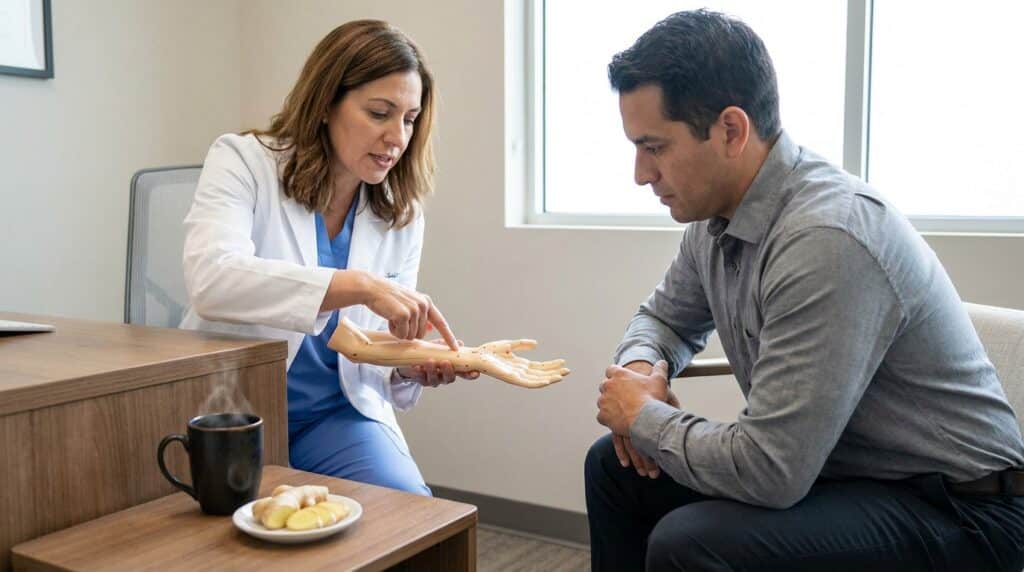
Migraine nausea can add an exhausting second layer to an already intense migraine. Many people look for gentle, natural options, such as acupuncture, herbal support, and practical self-care, to calm nausea without depending only on medication. Below are approaches that may help, including targeted acupuncture, simple nutrition shifts, and easy acupressure methods. You’ll also find an overview of how these strategies may work so you can choose what fits your needs.
Acupuncture and whole-person therapies for migraine nausea
Acupuncture, a key therapy within traditional Chinese medicine, involves inserting very thin needles at specific points to support the body’s regulatory and healing responses. For migraine-related nausea, acupuncture is often used to help settle the nervous system, encourage the body’s natural pain-modulating chemistry, and support healthy circulation. Many people consider it a well-tolerated option that can be used alongside, or in some cases instead of, certain medications as part of a more whole-person symptom-management plan.
How acupuncture may reduce migraine nausea
Acupuncture may lessen migraine nausea through several body-based effects. Stimulating selected points can promote endorphin activity, which may influence how the brain interprets pain and discomfort. It may also help regulate the autonomic nervous system, which plays a major role in nausea and digestive upset. Over time, consistent treatments may improve overall balance and make some people less reactive to common migraine triggers.
At Thrive Health Acupuncture, treatment plans are customized to each person’s symptom pattern, including nausea that occurs with migraines.
Why acupuncture can be effective for migraine nausea
One way to understand acupuncture is through neuromodulation, shifting nervous system signaling in a direction that can reduce pain and nausea. Acupuncture may also encourage endorphin release, improve circulation, and help decrease inflammation and muscle tension. Together, these effects can support both short-term relief during an episode and longer-term reduction in migraine susceptibility for some individuals.
| Mechanism | Description | Benefit |
|---|---|---|
| Neuromodulation | Influences nervous system signaling via point stimulation | May reduce pain intensity and discomfort |
| Endorphin Release | Supports the body’s natural pain-relief chemistry | Can ease pain and may reduce nausea |
| Circulation Support | Encourages local and systemic blood flow | Helps deliver nutrients and supports recovery |
Because of these combined effects, many people include acupuncture as one element of a broader migraine plan.
Acupuncture points commonly used for migraine nausea
Practitioners often select points associated with head pain, neck tension, and nausea. Common examples include:
- LI4 (Hegu): Located between the thumb and index finger; frequently used for pain, tension, and head discomfort.
- GB20 (Fengchi): Found at the base of the skull; often chosen for headaches and tightness through the neck.
- P6 (Neiguan): On the inner forearm; widely used to help reduce nausea and support nervous system calm.
These points may be used on their own or combined with other points based on the individual presentation.
Herbal and nutrition-based options that may support nausea relief
In addition to acupuncture, certain herbs and food choices may help manage nausea. Two commonly used options are ginger and peppermint. Ginger is known for anti-nausea and anti-inflammatory properties and is often used as tea or in supplement form. Peppermint may soothe the stomach for some people and is commonly taken as tea or used as an aroma. Responses vary, so it can help to introduce one change at a time and note how you feel.
Ginger and Herbal Remedies for Migraine
Natural products such as Zingiber officinale (ginger) have been studied for migraine treatment, and other botanicals (for example, Cannabis sativa) have been considered in the context of identifying and removing migraine triggers.
Herbal medicine and migraine, E Yarnell, 2017
Ginger and Herbal Remedies for Migraine
Natural products such as Zingiber officinale (ginger) have been studied for migraine treatment, and other botanicals (for example, Cannabis sativa) have been considered in the context of identifying and removing migraine triggers.
Herbal medicine and migraine, E Yarnell, 2017
Food and hydration habits also matter. Staying well hydrated and including magnesium-rich foods are practical steps that may reduce migraine frequency for some individuals.
Diet changes that can work alongside other migraine nausea strategies
Nutrition adjustments may help by lowering exposure to personal triggers and correcting common nutrient gaps that can contribute to migraines. Keeping blood sugar more stable, drinking enough fluids, and getting adequate minerals can influence how often migraines happen and how intense symptoms feel, including nausea.
Dietary Strategies for Migraine Nausea Management
Dietary interventions have been studied for both prevention and treatment of migraine-related symptoms, including sensitivity to light, noise, and smells, as well as nausea and vomiting.
Migraine and diet, P Gazerani, 2020
Dietary Strategies for Migraine Nausea Management
Dietary interventions have been studied for both prevention and treatment of migraine-related symptoms, including sensitivity to light, noise, and smells, as well as nausea and vomiting.
Migraine and diet, P Gazerani, 2020
- Add magnesium-rich foods: Spinach, almonds, pumpkin seeds, and avocados are common sources; magnesium may help reduce migraine frequency for some people.
- Prioritize hydration: Water and non-caffeinated herbal teas can help reduce dehydration-related headaches.
- Limit personal trigger foods: If relevant for you, items such as aged cheeses or processed meats may contribute to attacks.
When paired with acupuncture and other supportive therapies, these nutrition steps can be part of a well-rounded migraine-care routine.
| Dietary Component | Source | Potential Benefit for Migraine |
|---|---|---|
| Magnesium | Leafy greens, nuts, seeds | May reduce frequency and severity for some individuals |
| Hydration | Water, herbal teas | Helps avoid dehydration-triggered headaches |
| Reducing trigger foods | Aged cheeses, processed meats | May lower episodes when these are personal triggers |
See a Thrive clinician
Acupuncture, dry needling and physical therapy across four Long Island offices. Same-week appointments are usually available, and you do not need a referral to start.
Using acupressure and essential oils to help with migraine nausea
Acupressure and essential oils are popular, low-barrier tools for at-home support. Acupressure uses steady fingertip pressure on specific points (similar concepts to acupuncture, without needles). Essential oils such as lavender and peppermint are often inhaled or used topically with proper dilution to encourage relaxation and reduce nausea for some people.
Acupressure methods that may help migraine nausea
The following techniques are commonly used for nausea support:
- P6 (Neiguan): Apply firm, steady pressure to the inner forearm point to help reduce nausea and promote calm.
- CV17 (Conception Vessel 17): Gentle pressure at the center of the chest paired with slow breathing may ease anxiety that can intensify nausea.
- ST36 (Stomach 36): Located below the knee; often used to support digestion and reduce nausea.
PC6 Acupressure for Migraine Nausea Relief
Migraine is a disabling neurological disorder often accompanied by nausea. Stimulation of the PC6 (Neiguan) acupoint has been investigated for its effect on migraine-related nausea. Results support the use of PC6 pressure as a practical approach to reduce nausea during migraine attacks.
Acupressure in the control of migraine-associated nausea, 2012
PC6 Acupressure for Migraine Nausea Relief
Migraine is a disabling neurological disorder often accompanied by nausea. Stimulation of the PC6 (Neiguan) acupoint has been investigated for its effect on migraine-related nausea. Results support the use of PC6 pressure as a practical approach to reduce nausea during migraine attacks.
Acupressure in the control of migraine-associated nausea, 2012
With a little practice, acupressure can become a quick option to try during an attack.
Essential oils commonly used for migraine-related nausea
Some essential oils are frequently chosen to support comfort during migraines:
- Lavender oil: Often used for relaxation and stress support.
- Peppermint oil: Known for a cooling sensation; may help with tension and nausea when inhaled or used carefully.
- Eucalyptus oil: Commonly used for a clearing sensation and may help with sinus-related pressure.
For safety, dilute oils appropriately for topical use and test a small area first. If you have asthma or other respiratory sensitivities, inhaled scents may be irritating.
| Essential Oil | Primary Benefit | Typical Usage |
|---|---|---|
| Lavender Oil | Calming, stress support | Inhalation or diluted topical use |
| Peppermint Oil | Cooling, may ease tension and nausea | Inhalation or diluted topical use |
| Eucalyptus Oil | Clearing sensation, may support sinus comfort | Inhalation or diluted topical use |
Lifestyle and stress-reduction habits for fewer migraines and less nausea
Long-term improvement often depends on daily habits. Consistent sleep, moderate movement, and stress-reduction practices can help lower overall migraine burden and may reduce how often nausea appears.
- Regular movement: Gentle aerobic activity can support stress regulation and overall resilience.
- Mindfulness and relaxation: Yoga, meditation, and slow breathing may reduce tension that contributes to migraines.
- Create a calmer setting during attacks: Reducing bright light and loud noise can improve comfort and support recovery.
These foundations can complement both medical care and integrative therapies.
The connection between stress and migraine nausea
Stress is one of the most common migraine triggers and can intensify nausea. Ongoing stress can increase stress-hormone activity, raise muscle tension, and contribute to inflammation, factors that may heighten pain sensitivity and stomach upset. Building consistent coping strategies is often an important part of managing migraines and associated nausea.
Lifestyle shifts that support long-term migraine nausea management
A sustainable plan typically combines several realistic habits, such as:
- Use stress-management tools consistently: Regular relaxation practices may lower attack frequency over time.
- Keep a steady sleep routine: Consistent bed and wake times can reduce sleep-related triggers.
- Eat a nutrient-dense, balanced diet: A varied diet supports overall health and may reduce migraine vulnerability.
Over time, these changes can contribute to fewer episodes and milder symptoms.
What to expect from a migraine nausea acupuncture visit
A typical visit begins with a detailed conversation about your migraine history, nausea patterns, triggers, and overall health. Based on that information, the practitioner develops a plan that may include acupuncture along with supportive recommendations related to diet and daily routines. Many people feel relaxed during treatment, and some notice nausea relief right away, while others experience improvement after several sessions.
How Thrive Health Acupuncture individualizes care for migraine nausea
Individualized care is a central focus at Thrive Health Acupuncture. An individualized approach commonly includes:
- Customized treatment strategies: Point selection and treatment frequency are matched to your symptoms and goals.
- Ongoing progress reviews: Plans may be adjusted based on response and changing needs.
- Whole-person perspective: Physical symptoms, nutrition, sleep, and stress factors are considered together.
This individual approach is designed to support meaningful improvements in migraine management and nausea control.
Frequently asked questions
How long is an acupuncture session for migraine nausea?
Many sessions last about 30–60 minutes, depending on the plan and what’s being addressed. A series of visits is often used to support longer-lasting results.
Are side effects common with acupuncture for migraine nausea?
When performed by a licensed professional, acupuncture is generally considered safe. Some people experience mild soreness, temporary tenderness, or small bruising at needle sites; serious complications are rare.
Can diet alone control migraine nausea?
Diet changes can reduce frequency and severity for some people, but results are often better when nutrition is combined with other strategies such as stress management and acupuncture.
How quickly might acupuncture help migraine nausea?
Some individuals notice improvement after the first session, while others need multiple treatments before changes are more consistent. Response varies based on the person and the migraine pattern.
Is acupressure as effective as acupuncture?
Acupressure can be a convenient, fast tool at home. Acupuncture may offer deeper or longer-lasting effects for some people because it uses precise needle stimulation in a clinical setting.
Are essential oils safe during a migraine?
Lavender and peppermint are commonly used and are typically considered safe when inhaled or applied topically with proper dilution. Avoid applying undiluted oils to skin, and use caution with respiratory conditions.
How do I figure out my migraine trigger foods?
A detailed food-and-symptom log can help reveal patterns. Reviewing that information with a qualified healthcare professional or nutrition specialist can also help you identify triggers safely.
Can stress-management practices prevent migraine nausea?
They can help. Consistent stress-reduction habits, such as meditation, yoga, and regular exercise, may lower both migraine frequency and the severity of associated symptoms, including nausea.