Motion sickness is a widespread problem that can turn travel, and even certain routine activities, into an uncomfortable experience. It occurs when the brain receives mixed messages from the eyes, inner ear, and the rest of the body, leading to symptoms such as nausea, dizziness, and sweating. Below are practical, easy-to-use approaches, centered on acupuncture and natural options, that can help lessen symptoms and make trips more comfortable. This guide covers why motion sickness happens, the role of the vestibular system, and how acupuncture plus simple self-care steps can help prevent or reduce symptoms before and during travel.
Acupuncture and Natural Approaches for Long-Lasting Motion Sickness Relief
Acupuncture and thoughtfully chosen natural remedies can be effective for both preventing and easing motion sickness. Acupuncture, a key therapy within traditional Chinese medicine, uses very thin needles placed at specific points to support balance in the body and settle nausea. Natural tools, such as ginger or focused acupressure, often pair well with acupuncture and may reduce symptoms without relying on medication. Understanding how these methods work together gives you a practical, drug-free way to manage motion sickness and travel with greater ease.
Common Causes of Motion Sickness and Its Effects
Motion sickness typically begins when sensory input from the inner ear, the eyes, and body awareness (proprioception) doesn’t align. This conflict can overwhelm the brain and trigger nausea, sweating, lightheadedness, and sometimes vomiting. Common situations include riding in cars, traveling by boat or plane, or doing activities like reading while in motion. Knowing what causes the mismatch makes it easier to choose prevention strategies that fit your triggers.
The Vestibular System’s Role in Motion Sickness
The vestibular system, located in the inner ear, helps your body detect movement and maintain balance. It continuously sends information about head position and motion to the brain. When what the vestibular system reports doesn’t match what the eyes see, such as focusing on a book while the car turns, the brain may interpret the mismatch as a threat and respond with motion-sickness symptoms. Understanding this relationship can help you select steps that reduce sensory conflict and discomfort.
How Acupuncture Can Reduce Motion-Sickness Nausea
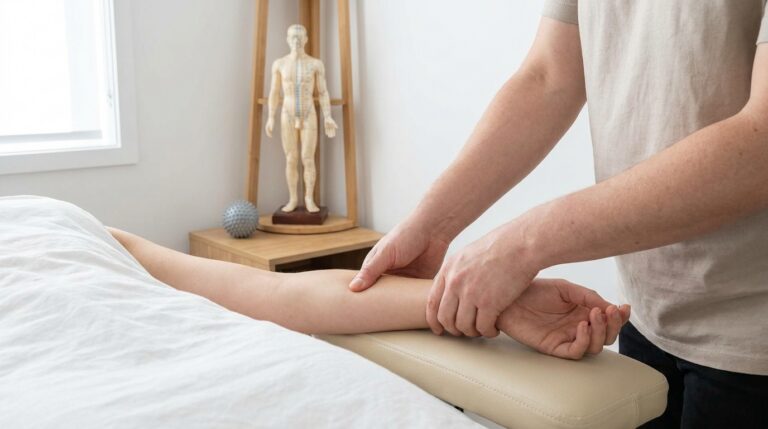
Acupuncture may ease nausea by stimulating points associated with digestion and nervous-system regulation. A commonly used point is Pericardium 6 (P6) on the inner forearm, widely used in clinical settings for nausea support. By activating these points, acupuncture can help settle the nervous system, reduce anxiety, and lessen the intensity of motion-related nausea. Because it does not involve medication, acupuncture is often appealing for people seeking a whole-person, longer-term approach.
Thrive Health Acupuncture provides individualized acupuncture care aimed at improving comfort, balance, and travel readiness. Treatments may be matched to address motion sickness and related symptoms to help you feel steadier before and during trips.
Most Helpful Acupressure Points for Motion Sickness
Certain acupressure points are frequently used to support motion-related nausea and anxious feelings:
- Pericardium 6 (P6): Located on the inner forearm; commonly used to reduce nausea and the urge to vomit.
- Conception Vessel 17 (CV17): Found at the center of the chest; often used to calm the mind and ease travel-related tension.
- Stomach 36 (ST36): Located below the knee; traditionally used to support digestion and ease nausea.
Applying steady, gentle pressure to these points can be a convenient way to get relief, including while you’re on the move.
| Acupressure Point | Location | Benefits |
|---|---|---|
| Pericardium 6 (P6) | Inner forearm, about three finger widths below the wrist | Helps reduce nausea and vomiting |
| Conception Vessel 17 (CV17) | Center of the chest, around the level of the fourth intercostal space | Supports calm and may ease anxiety |
| Stomach 36 (ST36) | Below the knee, about four finger widths down and one finger width to the outside of the shinbone | Supports digestion and may reduce nausea |
Natural Remedies That Support Motion Sickness Prevention
In addition to acupuncture, several natural options may help reduce motion-sickness symptoms:
- Ginger: A well-researched anti-nausea herb; commonly used as tea, capsules, or chews.
- Peppermint: Often used to soothe the stomach; peppermint tea or inhalation of diluted essential oil may reduce queasiness.
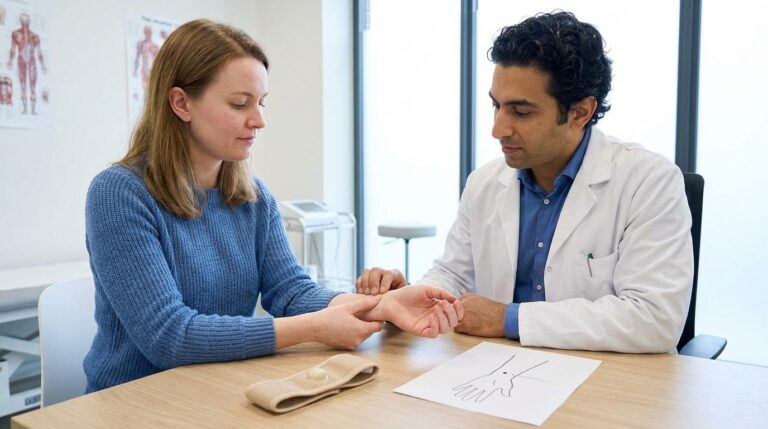
- Acupressure wristbands: Designed to apply consistent pressure to P6, offering ongoing support during travel.
Combining these remedies with acupuncture can create a broader, medication-free plan for managing motion sickness.
| Natural Remedy | Form | Benefits |
|---|---|---|
| Ginger | Tea, capsules, candies | Helps reduce nausea and supports the gastrointestinal tract |
| Peppermint | Tea, essential oil | May soothe the stomach and ease nausea |
| Acupressure wristbands | Wristbands applying pressure to the P6 point | Provides steady support for nausea during travel |
See a Thrive clinician
Acupuncture, dry needling and physical therapy across four Long Island offices. Same-week appointments are usually available, and you do not need a referral to start.
Why Ginger Can Help with Motion Sickness
Ginger contains active compounds, including gingerol and shogaol, that influence the digestive tract and may also affect nausea pathways in the nervous system. Many people find ginger works best when taken before travel or as soon as symptoms begin. For those who prefer to avoid medication, ginger is a widely used natural option.
Travel Prep Tips to Lower Motion Sickness Risk
Preparing ahead of time can significantly reduce the chances of feeling sick. Consider these simple steps:
- Use acupressure techniques: Practice finding and pressing P6 before travel so it’s easy to use when needed.
- Time remedies strategically: Ginger or peppermint is often most helpful when taken about 30 minutes before departure.
- Consider wristbands: Wearing acupressure bands can provide continuous pressure support throughout the trip.
Small adjustments like these can add up to a noticeably smoother travel experience.
How to Get the Most from Pre-Travel Acupuncture for Motion Sickness
To maximize the benefits of acupuncture before a trip, these guidelines can help:
- Plan treatments in advance: Having two or more sessions before travel may help build better symptom control.
- Support your body beforehand: Hydrate well and avoid very heavy meals right before treatment.
- Wear comfortable clothing: Loose, easy-to-move-in clothing can help you relax during and after the session.
These basics can improve comfort and help you feel more prepared for travel.
When Professional Acupuncture May Be Appropriate for Motion Sickness
Professional support may be helpful when motion sickness is frequent, intense, or difficult to manage. Consider seeking care if:
- Nausea or dizziness occurs regularly during travel
- At-home strategies don’t provide enough relief
- Travel anxiety increases and starts limiting your plans
A licensed acupuncturist can develop a plan matched to your symptoms and typical travel situations.
What an Individualized Acupuncture Visit for Motion Sickness Typically Includes
A customized session generally begins with a detailed intake and a treatment approach based on your needs. Many visits include:
- Thorough consultation: Discussion of symptoms, travel patterns, and health history.
- Point selection and assessment: Identification of points most relevant to your presentation, often including P6.
- Whole-person recommendations: Guidance may also include self-care and lifestyle suggestions to reinforce results.
This individualized process helps ensure the plan matches your body, triggers, and travel goals.
Lifestyle Adjustments That Can Reduce Motion Sickness
Everyday choices can make motion-related symptoms more manageable. Helpful adjustments include:
- Choose a steadier seat: The front seat in a car, over the wings on a plane, or near the middle of a boat often feels more stable.
- Improve airflow: Fresh air from a window or vent can reduce feelings of nausea.
- Keep food and alcohol in check: Lighter meals and avoiding alcohol before and during travel may reduce stomach upset.
- Stay hydrated: Drinking water regularly can help with dizziness and overall balance.
The Mental and Emotional Component of Motion Sickness
Stress and anxiety can intensify motion sickness or make it more likely to start. Techniques that may help reduce the psychological load include:
- Deep breathing: Slow, controlled breathing can help settle the nervous system and ease nausea.
- Mindfulness practices: Brief meditation or grounding exercises may reduce anticipatory worry.
- Positive imagery: Visualizing a calm, smooth trip can help reduce pre-travel tension.
Using mental strategies along with physical approaches often creates a more complete plan for prevention.
Technology Tools That May Help Prevent Motion Sickness
Some technology-based options can complement acupuncture and natural strategies:
- Motion-sickness apps: Some include guided breathing, relaxation, or symptom-tracking tools.
- VR desensitization: Gradual exposure programs may help certain individuals adapt to motion stimuli over time.
- Wearable devices: Some wearables provide adjustable acupressure or other comfort-focused features during travel.
When used thoughtfully, these tools can add another layer of support alongside traditional methods.
Frequently Asked Questions
What causes motion sickness?
It’s usually caused by conflicting signals reaching the brain from the inner ear, eyes, and body, which can trigger nausea, dizziness, and sweating.
How can acupuncture help with motion sickness?
Acupuncture often focuses on points such as Pericardium 6 (P6) to help reduce nausea, calm the nervous system, and ease anxiety, supporting prevention and symptom relief.
Do natural remedies work for motion sickness prevention?
Many people find that ginger, peppermint, and acupressure wristbands can reduce nausea, and they’re often used alongside acupuncture.
When is it time to seek professional acupuncture for motion sickness?
Professional care may be useful if symptoms are frequent or severe, if home approaches aren’t enough, or if travel-related anxiety begins interfering with normal plans.
Can lifestyle changes really reduce motion sickness?
Yes. Seat selection, better ventilation, lighter meals, avoiding alcohol, and staying hydrated can all help reduce symptoms.
What are good acupuncture best practices before traveling?
Many people benefit from having at least two sessions prior to travel, staying well hydrated, avoiding heavy meals before treatment, wearing comfortable clothing, and allowing time to rest afterward.