Nausea can be unsettling, whether it’s triggered by motion, stress, medication, or a chronic health issue. A few simple tools can make symptoms feel more manageable. Below are easy, practical breathing techniques that may bring quick relief, along with an explanation of how acupuncture can support those strategies. Intentional breathing can activate the body’s relaxation response and help dial down nausea. You’ll also find common triggers, why breathwork helps, how acupuncture fits in, and daily habits that can support longer-term nausea relief.
Common Nausea Causes and Why Breathing Can Help
Nausea can stem from many sources, including digestive irritation, hormonal shifts, side effects of medication, and emotional stress. These triggers often interact with the autonomic nervous system. When the body shifts into a stress response, symptoms like nausea can intensify. Slow, deliberate breathing helps settle that system and encourages a “rest-and-digest” state. With consistent breath control, you may influence heart rate, digestive activity, and how strongly nausea is felt, supporting nausea relief.
Recognizing Nausea Symptoms and Identifying Your Triggers
Understanding what nausea feels like for you, and what tends to bring it on, can make it easier to respond early. Common symptoms include stomach queasiness, increased saliva, lightheadedness, and a general feeling of discomfort or unease. Triggers differ from person to person, but often include certain foods, strong odors, travel or motion, and anxiety. Tracking patterns can help you use breathing exercises and other supportive steps before symptoms build, improving nausea relief.
How Controlled Breathing Can Reduce Nausea in the Moment
Breath regulation can ease nausea quickly by engaging the parasympathetic nervous system, which counters the body’s stress response. This shift may reduce muscle tension and support the release of calming neurochemicals that help lower discomfort. Techniques like diaphragmatic breathing can slow the heart rate and promote relaxation, making them useful when nausea starts. Practicing regularly can also make the response more automatic, helping you recover faster when symptoms return and supporting ongoing nausea relief.
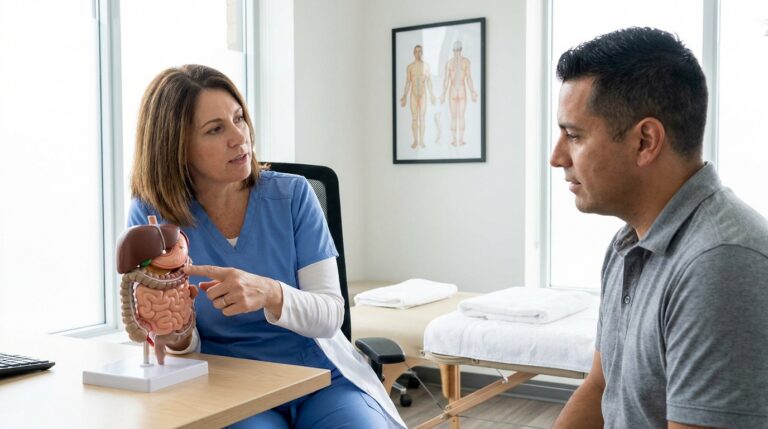
At Thrive Health Acupuncture, breathwork is often paired with individualized acupuncture care to help people manage nausea more effectively. Together, these approaches can address both physical sensations and the nervous-system patterns that may keep symptoms lingering.
Breathing Methods That Work Well for Nausea Relief
Several easy breathing approaches can be helpful for nausea relief. Consider these options:
- Diaphragmatic Breathing: Deep belly breathing that relies on the diaphragm rather than shallow chest breaths. This can calm the nervous system and reduce tension.
Diaphragmatic breathing is often described in research as a low-risk, noninvasive way to reduce nausea symptoms.
Diaphragmatic Breathing Interventions for Nausea
diaphragmatic breathing (DB) instructions with a biofeedback device (CalmiGo) for their effect on nausea
Improving Nausea Through Breathing Interventions: A Trial of Written Instructions for Diaphragmatic Breathing Versus a Biofeedback Device, S Chakraborty, 2026
Diaphragmatic Breathing Interventions for Nausea
diaphragmatic breathing (DB) instructions with a biofeedback device (CalmiGo) for their effect on nausea
Improving Nausea Through Breathing Interventions: A Trial of Written Instructions for Diaphragmatic Breathing Versus a Biofeedback Device, S Chakraborty, 2026
- Paced Breathing: Even, steady inhales and exhales that help stabilize the stress response and reduce queasiness.
- Box Breathing: A structured pattern (inhale, hold, exhale, hold) using equal counts to promote calm and balance.
Because these techniques are simple and discreet, they can be used at home, at work, or while traveling whenever nausea begins.
How to Do Diaphragmatic Breathing Step by Step
Diaphragmatic breathing is straightforward and can be practiced in most settings. Use these steps for nausea relief:
- Get Comfortable: Sit upright with support or lie down in a relaxed position.
- Position Your Hands: Place one hand on your chest and the other on your abdomen to notice where the breath is moving.
- Inhale Through the Nose: Breathe in slowly and let your belly expand while keeping the chest relatively quiet.
- Exhale Gently: Breathe out through the mouth at an unhurried pace, letting the belly soften and fall.
- Continue for a Few Minutes: Keep attention on the steady rise and fall of the abdomen.
In addition to easing nausea, this technique can support overall relaxation and may be especially helpful when used early for motion-related nausea.
Diaphragmatic Breathing for Motion Sickness
nonmedicinal treatment not accompanied by unwanted side effects involves the use of a slowed breathing pace and diaphragmatic breathing (DB) mechanics.
Diaphragmatic breathing and its effectiveness for the management of motion sickness, 2015
Diaphragmatic Breathing for Motion Sickness
nonmedicinal treatment not accompanied by unwanted side effects involves the use of a slowed breathing pace and diaphragmatic breathing (DB) mechanics.
Diaphragmatic breathing and its effectiveness for the management of motion sickness, 2015
Paced and Deep Breathing Exercises for Faster Nausea Relief
If you need quick nausea relief, these paced breathing options may help:
- 4–4–6 Breathing: Inhale through the nose for 4 counts, hold for 4, then exhale through the mouth for 6.
- Deep Breathing + Visualization: Picture a calming place (such as a beach, wooded path, or quiet room) while breathing slowly to deepen relaxation.
- Breath Counting: Count each inhale and exhale up to ten, then restart. A steady mental focus can help the body settle.
For best results, start as soon as you notice early nausea signals. Many people feel improvement within minutes.
See a Thrive clinician
Acupuncture, dry needling and physical therapy across four Long Island offices. Same-week appointments are usually available, and you do not need a referral to start.
How Acupuncture Supports Breathing-Based Nausea Relief
Acupuncture can help regulate systems involved in nausea, including digestion and the stress response. By selecting specific points, treatment may reduce digestive tension and calm the nervous system, making breathwork easier and more effective. When combined, acupuncture and controlled breathing can offer more noticeable and longer-lasting relief than either approach alone. This paired strategy supports both the physical sensation of nausea and the stress patterns that can reinforce it.
Clinical research also supports acupuncture’s use for various forms of nausea, including postoperative and treatment-related symptoms.
Acupuncture for Postoperative Nausea & Vomiting
Acupuncture therapy for preventive and treatment of postoperative nausea and vomiting(PONV), a condition which commonly present after anaesthesia and surgery is a subject of growing interest. This paper included a systematic review and meta-analysis on the effect of different type of acupuncture and acupoint selection in PONV prevention and treatment.
The effectiveness of acupuncture in prevention and treatment of postoperative nausea and vomiting-a systematic review and meta-analysis, J Zhang, 2013
Acupuncture for Postoperative Nausea & Vomiting
Acupuncture therapy for preventive and treatment of postoperative nausea and vomiting(PONV), a condition which commonly present after anaesthesia and surgery is a subject of growing interest. This paper included a systematic review and meta-analysis on the effect of different type of acupuncture and acupoint selection in PONV prevention and treatment.
The effectiveness of acupuncture in prevention and treatment of postoperative nausea and vomiting-a systematic review and meta-analysis, J Zhang, 2013
Acupuncture Points Commonly Used for Nausea Relief
Practitioners often choose from several well-known points for nausea relief, including:
- P6 (Neiguan): Located on the inner forearm; widely used for nausea and vomiting.
- ST36 (Zusanli): Found below the knee; commonly selected to support digestion and reduce queasiness.
- SP4 (Gongsun): Located on the foot; often used when nausea is linked to digestive imbalance.
These points may be stimulated with acupuncture needles or with acupressure, depending on the approach and situation.
| Acupuncture Point | Location | Nausea Relief Benefits |
|---|---|---|
| P6 (Neiguan) | Inner forearm, about three finger widths from the wrist crease | Reduces nausea and vomiting; commonly used for motion sickness and chemotherapy-related nausea |
| ST36 (Zusanli) | Below the knee, about four finger widths down and one finger width lateral to the shinbone | Supports digestive health, boosts energy, and helps relieve nausea |
| SP4 (Gongsun) | On the foot, in the depression distal and inferior to the base of the first metatarsal bone | Helpful for nausea tied to digestive discomfort and stomach imbalance |
Patient Feedback on Using Acupuncture Alongside Breathing Exercises
Many people find that combining acupuncture with breathing exercises brings quicker and more consistent relief. In addition to fewer symptoms, patients often describe feeling calmer and more in control when they have both tools available. These experiences highlight how an integrative approach can improve day-to-day life for those dealing with recurring nausea.
Natural Remedies and Daily Habits That Can Help With Nausea Relief
Breathing techniques and acupuncture can be supported by simple remedies and lifestyle choices that help manage nausea:
- Ginger: Commonly used for nausea, options include tea, chews, or supplements.
- Peppermint: Peppermint tea or properly diluted oil may help soothe the stomach and reduce queasiness.
- Hydration: Water and electrolyte beverages can help prevent dehydration, which may worsen nausea.
When used appropriately and consistently, these options can support overall nausea management.
| Natural Remedy | Form | Benefits for Nausea |
|---|---|---|
| Ginger | Tea, supplements, fresh root | Reduces nausea and vomiting; helpful for morning sickness and motion sickness |
| Peppermint | Tea, essential oil | Soothes stomach muscles and eases digestive discomfort |
| Hydration | Water, electrolyte drinks | Prevents dehydration, which can make nausea worse |
Combining Acupressure With Breathing for Added Support
Acupressure applies steady pressure to the same areas used in acupuncture. Pairing acupressure with calm, focused breathing, such as pressing P6 while practicing diaphragmatic breaths, may enhance relaxation and symptom control. This is a practical option because it can be done almost anywhere when nausea starts.
Diet and Routine Changes That May Reduce Nausea
Small adjustments to daily habits can sometimes reduce how often nausea occurs and how intense it feels. Helpful strategies include:
- Choose Smaller, More Frequent Meals: Light meals spread through the day can prevent an overly full stomach that may trigger nausea.
- Limit Strong Smells: Odors can be a powerful trigger; reducing exposure may help.
- Use Relaxation Practices: Mindfulness, gentle yoga, or brief breathing breaks can reduce stress-related nausea.
These changes can also make other approaches, like breathwork and acupuncture, more effective.
What to Expect From Individualized Acupuncture for Nausea Relief
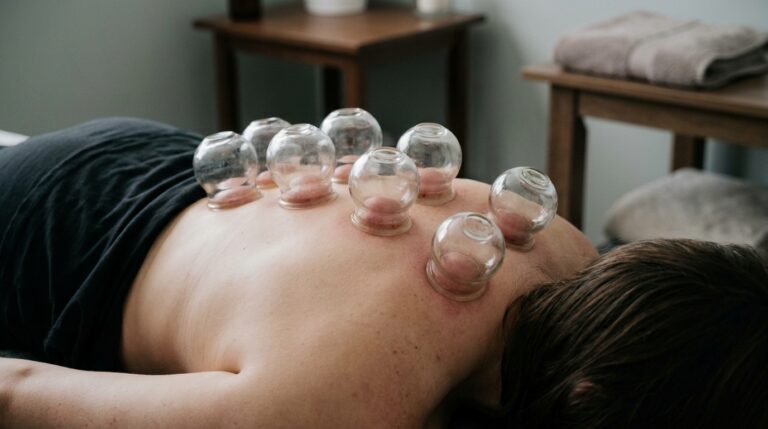
Acupuncture sessions for nausea are typically quiet and restorative. A practitioner reviews your health history and current symptoms, then places very thin needles at selected points. Some people notice a brief sensation during insertion, but discomfort is usually minimal. Treatments often last about 30–60 minutes, and many people use the time to rest and practice steady breathing.
How to Prepare for an Acupuncture Visit Focused on Nausea Relief
These simple steps can help you get the most out of a session:
- Arrive With Time to Settle: A few extra minutes can reduce stress and help you relax before treatment.
- Wear Comfortable, Loose Clothing: This allows easier access to commonly used points.
- Skip Heavy Meals Right Before: A light snack is often fine, but arriving overly full (or very hungry) can be uncomfortable.
Preparation supports a smoother visit and keeps the focus on relief and recovery.
Frequently Asked Questions
Which breathing technique works best for immediate nausea relief?
Diaphragmatic breathing is often a strong first choice for fast nausea relief because it helps calm the nervous system through slow, deep belly breaths.
Can acupuncture ease nausea for the long term?Acupuncture may significantly reduce nausea and improve comfort, but it’s typically used as part of a broader plan. Many people get the best results when it’s combined with controlled breathing and supportive lifestyle adjustments.
How often should breathing exercises be practiced for nausea relief?
Daily practice can build resilience, and using the techniques at the first sign of symptoms can help reduce intensity. Consistency usually makes the response more effective over time.
Are there side effects to acupuncture for nausea?
Acupuncture is generally considered safe when performed by a qualified practitioner. Possible side effects are usually mild and may include temporary soreness or minor bruising at needle sites.
Can acupressure replace acupuncture for nausea relief?
Acupressure can be a helpful noninvasive alternative for many people. It’s often especially useful when combined with breathing techniques.
What lifestyle changes can help prevent nausea?
Smaller meals, avoiding strong odors, staying hydrated, and using relaxation practices such as mindfulness or gentle yoga can reduce how often nausea occurs and how severe it feels.