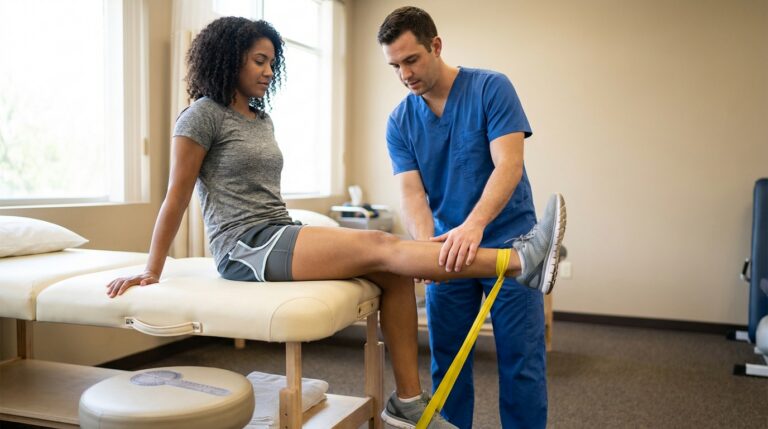
If you’re dealing with pain, stiffness, a sports injury, or recovery after surgery, you may be ready to start physical therapy right away, but you might be wondering: Do you need a referral for physical therapy in New York? This is one of the most common questions people ask before booking an appointment, especially when symptoms are interfering with work, exercise, or daily life.
The good news is that New York is a “direct access” state for physical therapy in many situations, meaning you can often be evaluated and treated by a licensed physical therapist without first seeing a physician. However, there are important details and exceptions, especially related to insurance requirements, the nature of your condition, and how long you’ve been in care.
This guide explains what “direct access” means, when a referral may still be required, how insurance can affect your next steps, and how to start care confidently at Thrive Health in East Setauket, Sayville, Smithtown, and Westhampton.
Quick Answer: Do You Need a Referral for Physical Therapy in NY?
In many cases, no. You do not need a referral to start physical therapy in New York due to direct access physical therapy New York laws. You can often schedule an evaluation directly with a licensed physical therapist.
That said, there are a few common scenarios where a referral may still be needed:
- Your insurance plan requires it (even if the state law allows direct access).
- Your condition falls outside direct access rules or needs medical clearance.
- You’re seeking care after certain surgeries or complex medical issues where coordination with a physician is recommended.
If you’ve searched “do you need a referral for physical therapy ny,” you’re likely looking for a simple yes-or-no. The most accurate answer is: often no, but sometimes yes, and insurance is frequently the deciding factor.
What Is Direct Access Physical Therapy in New York?
Direct access means you can see a physical therapist without first obtaining a prescription or referral from a physician, nurse practitioner, dentist, podiatrist, or other authorized provider (depending on the situation).
With direct access physical therapy New York, you can typically:
- Schedule an initial PT evaluation quickly
- Start treatment sooner
- Get guidance on whether PT is appropriate or if another provider should be involved
Direct access is designed to reduce unnecessary delays in conservative care. Physical therapists are trained to screen for red flags, assess movement and function, and determine whether your symptoms are likely musculoskeletal (often appropriate for PT) or if you should be referred to a medical provider for further evaluation.
What Direct Access Does (and Doesn’t) Mean
Direct access does not mean physical therapy replaces medical care when medical evaluation is needed. Physical therapists do not diagnose conditions in the same way physicians do, and they may recommend medical follow-up if symptoms suggest something outside the typical scope of PT.
Direct access does mean you can often begin care for common issues like back pain, neck pain, shoulder pain, knee pain, sprains/strains, and many overuse injuries without waiting for a referral appointment.
When You Might Still Need a Referral
Even though direct access exists, there are practical reasons you may still need a referral. The most common are insurance-related, but there are also clinical and administrative considerations.
1) Your Insurance Requires a Referral or Prior Authorization
Many people ask, “do you need a referral for physical therapy in New York?” when what they really mean is: Will my insurance pay for PT without a referral?
Some insurance plans:
- Require a physician referral to cover PT
- Require prior authorization before visits are approved
- Limit the number of visits unless medical necessity is documented
Even if New York law allows you to start PT directly, your plan’s coverage rules may still apply. In other words, direct access can allow you to be seen, but it does not automatically settle how your plan reimburses.
2) Post-Operative Rehabilitation
After surgery, many patients arrive at PT with a surgeon’s protocol and referral already in place. While you may be able to initiate contact with a PT clinic without a referral, post-op rehab often involves:
- Surgical precautions and timelines
- Procedure-specific restrictions
- Communication with your surgical team
In these cases, a referral and operative notes can help your physical therapist design a safe plan and coordinate care appropriately.
3) Complex Medical Conditions or “Red Flag” Symptoms
Physical therapists are trained to screen for signs that suggest you should see a physician first or concurrently. Examples include:
- Unexplained weight loss, fever, or night sweats
- Progressive numbness/weakness
- Loss of bowel or bladder control
- Symptoms after significant trauma
- Severe, unrelenting pain that doesn’t change with movement or position
These symptoms don’t automatically mean something serious is happening, but they can indicate the need for medical evaluation. In such cases, a referral (or medical clearance) may be the safest next step.
4) Workers’ Compensation or Motor Vehicle Accident Claims
Work-related injuries and auto accident cases often involve additional documentation requirements. Depending on the claim and insurer, you may need:
- Specific forms completed by an authorized provider
- A referral or prescription
- Claim approval before treatment is covered
If your injury happened at work or in a car accident, it’s smart to ask about documentation requirements before your first visit.
Common Conditions People Treat with Direct Access PT
Direct access is frequently used for musculoskeletal concerns, issues involving muscles, joints, tendons, ligaments, and movement patterns. People often start PT directly for:
- Low back pain and sciatica-like symptoms
- Neck pain, headaches related to posture or tension
- Shoulder pain (rotator cuff irritation, impingement-like symptoms)
- Knee pain (including running-related pain)
- Ankle sprains and foot pain
- Hip pain
- Tennis elbow/golfer’s elbow and wrist/hand overuse issues
- Sports injuries and training-related overload
These are the types of problems where starting quickly can be helpful, especially when your goal is to reduce pain, restore mobility, and return to activity with a clear plan.
See a Thrive clinician
Acupuncture, dry needling and physical therapy across four Long Island offices. Same-week appointments are usually available, and you do not need a referral to start.
Benefits of Starting Physical Therapy Without a Referral
When appropriate, direct access can make it easier to get care early. While outcomes vary by person and condition, early conservative care is often used to help:
- Reduce pain and irritation through targeted movement strategies and symptom management
- Improve mobility and strength with progressive, individualized exercise
- Address contributing factors such as posture, mechanics, and training errors
- Support return to work/sport with functional progressions
- Build confidence around safe movement and self-management
Many people also appreciate that PT visits typically include education and hands-on assessment, helping you understand what may be driving symptoms and what to do next.
How the PT Evaluation Works (Referral or No Referral)
Whether you come in via direct access or with a referral, the first visit is usually focused on understanding your symptoms and building a plan.
What You Can Expect
- History: when symptoms started, what makes them better/worse, activity level, medical background
- Movement assessment: posture, range of motion, strength, balance, coordination
- Functional testing: walking, squatting, reaching, lifting, or sport-specific tasks when appropriate
- Plan of care: frequency, home exercises, and short- and long-term goals
If anything suggests you should also see a physician, your PT can recommend appropriate follow-up and help coordinate next steps.
Insurance and Payment: What to Verify Before Your First Visit
Because coverage rules vary, it’s helpful to confirm a few items before you begin, especially if you’re searching “do you need a referral for physical therapy ny” and trying to avoid surprises.
Checklist to Ask Your Insurance Provider
- Do I need a referral for outpatient physical therapy coverage?
- Do I need prior authorization?
- What is my copay/coinsurance and deductible status?
- Is there a visit limit per year?
- Do I need to see an in-network provider?
If you’re paying out of pocket, direct access can still be a straightforward way to begin care. Thrive Health accepts most major plans and handles the billing for you, so you generally pay a co-insurance amount at the visit. You can confirm your benefits on our insurance verification page.
Direct Access vs. Referral: Which Is Better?
Neither route is “better” in every situation. It depends on your goals, your medical history, and your insurance requirements.
Direct Access May Be Ideal If:
- Your symptoms appear musculoskeletal and straightforward
- You want to start care quickly
- You prefer conservative management before pursuing imaging or medications
- Your insurance does not require a referral (or you’re self-paying)
A Referral May Be Helpful If:
- You have significant medical complexity or multiple diagnoses
- You recently had surgery or need a specific post-op protocol
- Your insurance requires it for coverage
- You want PT coordinated closely with a physician’s plan
In many cases, people use a blended approach: start with PT via direct access, then obtain a referral if needed for insurance or ongoing care coordination.
How Thrive Health Helps You Get Started
At Thrive Health, our goal is to make the process clear and efficient, whether you’re coming in through direct access or with a prescription. If you’re unsure about the referral question, our team can help you understand the typical steps and what information may be needed before your first appointment.
What We Can Assist With
- Scheduling an evaluation promptly
- Helping you clarify whether your plan is likely to require a referral
- Collecting any relevant documentation (if you already have imaging reports or surgical instructions)
- Coordinating with other providers when appropriate
We serve patients across East Setauket, Sayville, Smithtown, and Westhampton, and we aim to deliver care that is individualized, goal-driven, and grounded in sound clinical reasoning.
Common Misconceptions About Referrals and Physical Therapy in NY
“If New York allows direct access, insurance must cover it.”
Not always. State practice rules and insurance coverage rules are separate. You may be allowed to be treated, but reimbursement can still depend on your plan.
“I should get imaging before I start PT.”
Sometimes imaging is necessary, but many musculoskeletal problems can be evaluated clinically first. A physical therapist can help determine whether your presentation suggests a need for medical follow-up.
“PT is only for after surgery.”
Physical therapy is commonly used for non-surgical care, helping people manage pain, restore function, and return to activities with less risk of recurrence.
“If I don’t have a referral, the PT can’t treat me.”
With direct access physical therapy New York, many patients can begin care without a referral. The key is confirming any insurance requirements and ensuring your condition is appropriate for PT.
FAQ: Referrals for Physical Therapy in New York
1) Do you need a referral for physical therapy in New York?
Often, no. New York allows direct access physical therapy New York, which means you can frequently start PT without a physician referral. However, your insurance plan may still require a referral for coverage.
2) Do you need a referral for physical therapy NY if you have private insurance?
It depends on your specific plan. Some private insurers allow PT without a referral, while others require a referral or prior authorization. If you’re asking “do you need a referral for physical therapy ny,” the most accurate next step is to verify your plan’s PT benefits and requirements.
3) Can I see a physical therapist first and then get a referral later?
In many cases, yes. Some people start with a direct access evaluation and then obtain a referral if their insurance requires it for continued coverage or documentation.
4) What if I’m in a lot of pain? Should I go to PT or see a doctor first?
If your symptoms are musculoskeletal (for example, back pain after lifting or a minor sports injury), PT may be an appropriate first step. If you have red-flag symptoms such as progressive weakness, significant trauma, fever, or changes in bowel/bladder function, you should seek medical evaluation promptly.
5) Do I need a referral for physical therapy after surgery?
Many post-surgical patients receive a referral and a specific rehab protocol from their surgeon. While you may be able to contact a clinic directly, having surgical instructions and a referral often helps ensure safe progression and supports insurance coverage.
6) Will my first PT appointment be different if I don’t have a referral?
Usually, the evaluation process is similar: your therapist will review your history, assess movement and function, and create a plan. If you don’t have a referral, the therapist may spend additional time screening for signs that medical follow-up is needed.
7) How do I know if my condition is appropriate for direct access PT?
If your issue involves pain, stiffness, weakness, or limited movement that seems related to activity, posture, or a specific injury, PT is often appropriate. If symptoms are unexplained, worsening rapidly, or accompanied by systemic concerns, medical evaluation may be recommended.
Bottom line: If you’re asking, “Do you need a referral for physical therapy in New York?” you can often start care without one thanks to direct access. The most important step is confirming insurance requirements and ensuring your symptoms are appropriate for PT. If you’re ready to begin, Thrive Health can help you navigate the process and get started with a clear plan.