

Stress is a universal experience, but it becomes problematic when it transitions from a temporary state to a persistent physical presence. Symptoms such as tight shoulders, neck stiffness, tension headaches, sleep disturbances, jaw clenching, fatigue, and a constant feeling of being both wired and tired indicate your body is overwhelmed by stress.
Understanding the Physical Impact of Stress
Stress isn’t merely a mental state; it’s a full-body physiological reaction. When your brain perceives a threat, whether it’s a busy schedule or a challenging day, your nervous system reacts immediately by activating the fight-or-flight response.
This response releases hormones like cortisol and adrenaline, preparing your body to face danger. While this is normal in short bursts, chronic stress keeps this system engaged beyond what your body can manage.
Prolonged stress commonly leads to:
- Continual muscle tension, particularly in the neck, back, shoulders, and jaw
- Shallow breathing, reducing oxygen delivery to muscles
- Headaches and eye pressure
- Fatigue and slower recovery
- Increased inflammation and tightness in connective tissues
- Poor sleep quality, worsening stress and tension
- Heightened pain sensitivity due to nervous system overload
These symptoms illustrate how stress manifests physically, restricting blood flow and nutrient delivery, leading to muscle soreness and fatigue.
How Medical Massage Therapy Eases Stress
For centuries, massage has been utilized to combat stress and tension, with modern research validating its efficacy. Medical massage employs specific techniques to alleviate pain, soothe the nervous system, and restore muscle health, offering benefits beyond simple relaxation.
1. Easing Muscle Tension from Stress
Stress triggers muscle contraction as a protective reflex, often resulting in:
- Tight shoulders
- Neck stiffness
- Lower back tension
- Jaw clenching or TMJ pain
- Chest and rib tightness from shallow breathing
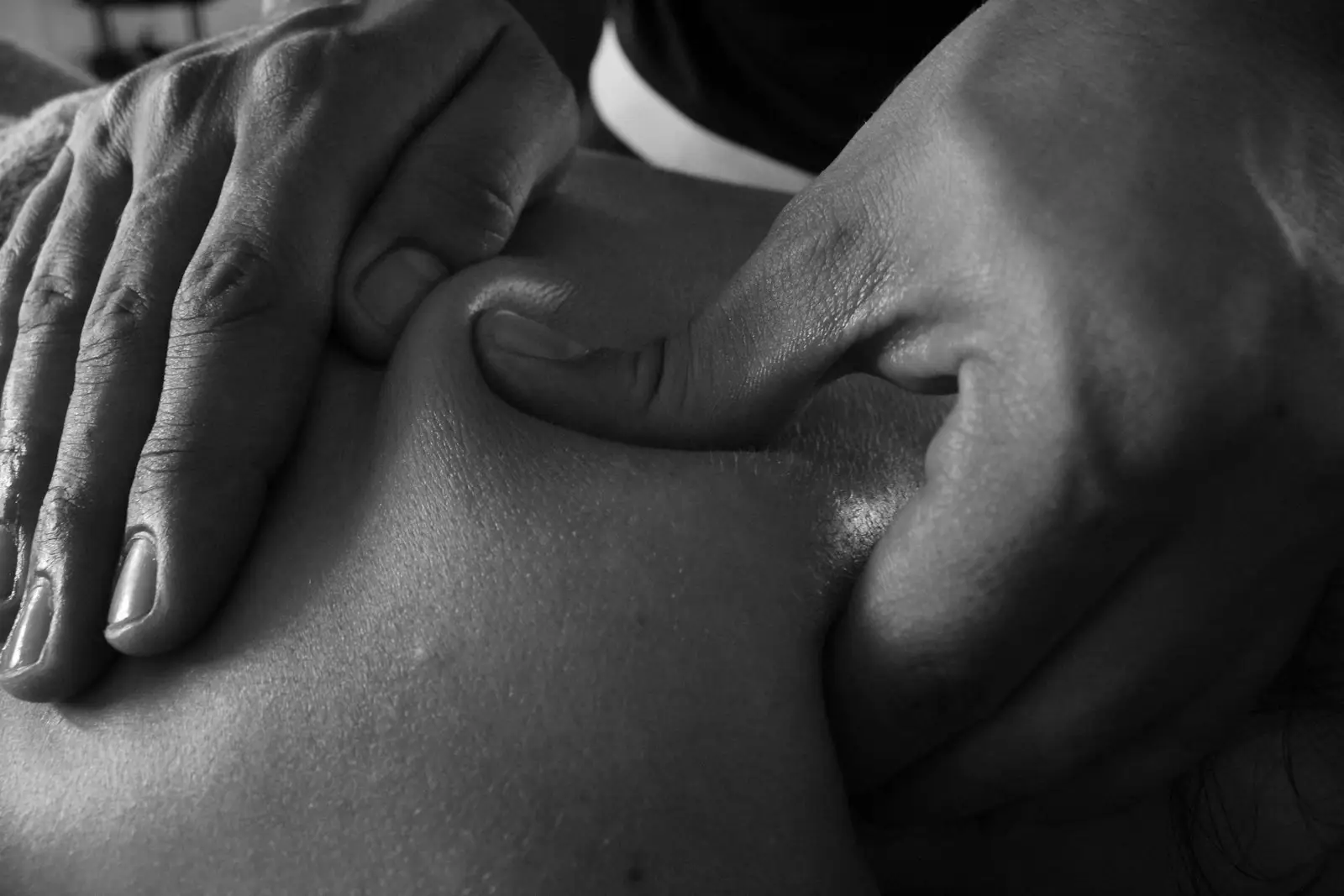
Medical massage focuses on these areas, breaking down tension, reducing stiffness, and promoting natural relaxation. Improved blood flow and trigger point release help the body move away from a constant state of contraction, providing both physical and mental relief.
2. Calming the Nervous System and Lowering Cortisol
Contrary to popular belief, massage affects more than just muscles; its most significant impact is on the nervous system. Studies show that therapeutic massage can enhance parasympathetic activity, the “rest and digest” system that aids recovery.
Medical massage:
- Reduces cortisol levels
- Increases serotonin and dopamine, the body’s natural calming chemicals
- Encourages slower, deeper breathing
- Helps shift the body out of fight-or-flight mode
- Reduces pain receptor sensitivity
This results in a sense of clarity, emotional relief, and calm, as massage relaxes both the muscles and the nervous system.
3. Enhancing Circulation and Oxygenation
Stress-induced muscle tightness decreases circulation, limiting oxygen delivery to tissues and causing fatigue and soreness. Massage stimulates circulation, supplying oxygen and nutrients to tissues and removing accumulated metabolic waste products.
This process not only aids muscle recovery but also boosts overall energy levels, leaving many feeling refreshed post-session.
4. Promoting Better Sleep and Combating Insomnia
Stress and sleep are intricately linked. Stress hampers sleep, and lack of sleep exacerbates stress. Medical massage helps break this cycle by relaxing the nervous system and releasing tension that hinders relaxation at night.
Research indicates that massage therapy can lead to:
- Improved sleep quality
- Enhanced REM sleep
- Reduced nighttime muscle tension
- Better sleep breathing patterns
With relaxation, falling asleep becomes a more natural process.
5. Preventing Long-Term Effects of Chronic Stress
Chronic stress has lasting effects, with elevated cortisol and constant muscle tension leading to:
- Frequent tension headaches
- Decreased immune function
- Digestive issues
- Ongoing muscle stiffness
- Increased inflammation
- Higher injury risk
- Burnout and emotional fatigue
Regular massage acts as a protective measure, helping the body manage stress before it inflicts physical damage.
The Benefits of Consistent Massage Therapy
While a single session can be beneficial, long-term advantages come from regular treatments. Just as stress accumulates, the body often requires multiple sessions to fully reset.
With consistent massage, many notice:
- Fewer stress-related symptoms
- Reduced muscle tension
- Improved posture and breathing
- Enhanced focus and clarity
- Increased energy levels
- Greater resilience to daily stressors
This helps train the nervous system to maintain a calm state more easily.
Who Benefits Most from Stress-Relief Massage?
While everyone experiences stress in their own way, certain individuals benefit significantly from medical massage therapy, including those who:
- Have desk jobs or sit for long periods
- Suffer from neck or shoulder pain due to tension
- Experience frequent headaches or migraines
- Work in high-pressure environments or caregiving roles
- Struggle with sleep issues or insomnia
- Have chronic muscle tightness
- Experience anxiety with physical manifestations
- Clench their jaw or have TMJ symptoms
If stress manifests physically in your body, massage can be a highly effective release method.
Comparing Massage Therapy to Other Stress-Relief Techniques
People often explore various stress-relief methods such as deep breathing, meditation, stretching, exercise, and journaling, all of which have their merits. However, massage stands out because it simultaneously addresses the muscular and nervous systems.
Unlike other methods, massage provides:
- Direct physical tension relief
- A calming effect on the nervous system
- Enhanced circulation and oxygenation
- An immediate relaxation sensation
- Enduring physiological benefits
While meditation can soothe the mind, it doesn’t alleviate shoulder knots. Stretching improves flexibility, but doesn’t reduce cortisol alone. Massage bridges the gap by addressing stress at both the physical and neurological levels.
Common Questions About Massage for Stress Relief
How often should I get a massage for stress?
For most individuals, once every 2–4 weeks is optimal. Those with chronic stress or muscle tension may initially benefit from weekly sessions.
Can stress really cause physical pain?
Yes, stress can continuously activate muscles, particularly in the neck, shoulders, and back, leading to pain, reduced circulation, and tension headaches.
Is medical massage different from a spa massage?
Indeed, medical massage focuses on specific muscles and employs therapeutic techniques to address pain, tension, and dysfunction, rather than merely offering temporary relaxation.
Will massage help my anxiety?
Many patients report feeling calmer after a massage. It aids in regulating breathing, lowering cortisol, and activating the parasympathetic nervous system, all of which alleviate anxiety symptoms.
Can massage therapy help headaches caused by stress?
Yes, targeted work on the neck, jaw, shoulders, and upper back often significantly improves tension headaches.
How quickly will I feel the benefits?
Many experience relief immediately after their first session, particularly in areas of muscle tightness and stress-induced tension.
