If you are searching for what to expect at your first acupuncture appointment, you are not alone. Most first-time patients have practical questions before they book, such as: Does acupuncture hurt? How long is an acupuncture appointment? What should I wear? Will I need to undress? What happens during an acupuncture consultation and intake? and after acupuncture what to do so the benefits last.
This guide walks you through a typical first acupuncture appointment from start to finish, with a clear explanation of what acupuncture is, what it is commonly used for, how the needles work, what you might feel in your body, and how to prepare for the best possible session.
Quick Highlights: Your First Acupuncture Visit in 60 Seconds
- How long it takes: A first visit is usually 60 to 90 minutes. Most follow-ups are often 45 to 60 minutes.
- Conversation comes first: The first 15 to 30 minutes are typically the acupuncture consultation and intake, assessment, and goal setting, not needles.
- What it feels like: Many people feel a brief pinch, tap, pressure, or a dull tingle, then very little. Deep relaxation is common.
- What to wear to acupuncture: Loose, comfortable clothing that rolls up easily to elbows and knees is usually ideal.
- What happens during the rest time: Needles often stay in place for 15 to 30 minutes while you rest.
- After acupuncture what to do: Hydrate, eat a balanced meal, avoid alcohol, and keep exercise gentle for the rest of the day if you can.
What Is Acupuncture? (And How It Works)
Acupuncture is a treatment used in Traditional Chinese Medicine and also practiced in many modern, integrative settings. A licensed acupuncturist inserts very thin, sterile needles into specific points on the body. These points are chosen to support your health goals, reduce symptoms, and influence how the body regulates pain, stress, inflammation, circulation, and muscle tone.
In Traditional Chinese Medicine, acupuncture points are often discussed in terms of supporting the flow of energy (commonly described as “qi”) and balancing patterns across body systems. In a more biomedical explanation, acupuncture is thought to work by influencing the nervous system and local tissue responses. Research suggests acupuncture can affect how the body processes pain signals, modulate stress responses, and support circulation and tissue recovery in various conditions.
Many clinics blend these perspectives. Your acupuncturist may use a Traditional Chinese Medicine framework to guide point selection while also explaining the treatment in plain, anatomy-based terms. Either way, your session should feel collaborative, safe, and clearly explained.
What Does Acupuncture Treat? Common Reasons People Book
People seek acupuncture for a wide range of conditions and symptoms. Some goals are focused on pain and movement, while others are centered on stress, sleep, digestion, or overall health regulation. Below are common categories that bring people in for a first visit.
- Pain and musculoskeletal issues
- Neck pain, upper back tension, and tight shoulders
- Low-back pain and sciatica-like symptoms
- Knee pain, hip pain, and osteoarthritis-related discomfort
- Sports injuries, strains, and overuse problems
- Jaw tension and TMJ-related discomfort
- Headaches and neurological-type symptoms
- Tension-type headaches
- Migraines (supportive care and symptom management)
- Stress-related head and neck tightness
- Stress, mood, and sleep
- Stress overload and difficulty “shutting off”
- Difficulty falling asleep or staying asleep
- Fatigue, low energy, and feeling run down
- Digestive concerns
- Bloating, irregular digestion, and abdominal discomfort
- Nausea (in some situations, with medical guidance)
- Women’s health and hormone-related concerns
- Menstrual cramps and cycle-related symptoms
- PMS-type symptom patterns
- Supportive care for perimenopause-related concerns
- Other common reasons
- Allergy-type symptoms and sinus pressure (supportive care)
- General wellness and recovery support
- Adjunct care alongside physical therapy and medical treatment
- Neck pain, upper back tension, and tight shoulders
- Low-back pain and sciatica-like symptoms
- Knee pain, hip pain, and osteoarthritis-related discomfort
- Sports injuries, strains, and overuse problems
- Jaw tension and TMJ-related discomfort
- Tension-type headaches
- Migraines (supportive care and symptom management)
- Stress-related head and neck tightness
- Stress overload and difficulty “shutting off”
- Difficulty falling asleep or staying asleep
- Fatigue, low energy, and feeling run down
- Bloating, irregular digestion, and abdominal discomfort
- Nausea (in some situations, with medical guidance)
- Menstrual cramps and cycle-related symptoms
- PMS-type symptom patterns
- Supportive care for perimenopause-related concerns
- Allergy-type symptoms and sinus pressure (supportive care)
- General wellness and recovery support
- Adjunct care alongside physical therapy and medical treatment
Important: Acupuncture can be helpful, but it is not a substitute for emergency or urgent medical care. Seek immediate medical attention for chest pain, sudden weakness or numbness, signs of stroke, severe shortness of breath, high fever, uncontrolled bleeding, a suspected fracture, sudden severe headache, or rapidly worsening neurological symptoms. If you are unsure, call a medical provider first.
How to Prepare for Your First Acupuncture Appointment
A little planning can make a first visit smoother and help you get more out of treatment. Below are the most helpful steps.
Intake forms and health history
Most clinics use intake paperwork to understand your health background. If forms are provided ahead of time, completing them before you arrive usually saves time and allows your acupuncturist to review key details before you meet.
Expect questions about your main concern and also about the bigger health picture, which can include:
- Sleep quality, stress levels, and energy patterns
- Digestion and appetite
- Temperature sensitivity, sweating, or cold hands and feet
- Medical history, surgeries, and previous injuries
- Medications, supplements, and allergies
- For some people: menstrual cycle history, pregnancy status, or postpartum factors
These details help your acupuncturist understand patterns that can influence symptoms and guide a treatment plan.
What to wear (and what you may need to remove)
If you are wondering what to wear to acupuncture, choose clothing that is comfortable and easy to move in. In many first visits, commonly used points are on:
- Arms below the elbows
- Legs below the knees
- Hands, feet, ears, scalp, and sometimes the abdomen
Great options include joggers or loose pants and a short-sleeve or loose long-sleeve shirt. Try to avoid outfits that are restrictive or difficult to roll up.
If access is needed to areas like the upper back, low back, hips, or glutes, you may be offered time and privacy to change. Proper draping is used so you remain covered and comfortable throughout the session. You can always ask for modifications, and you can decline any area you are not comfortable treating.
Eating, caffeine, alcohol, and medications
- Eat beforehand: Aim for a light meal or snack about 1 to 2 hours before your appointment. Arriving very hungry can increase the chance of light-headedness.
- Caffeine: Moderate caffeine is usually fine, but large amounts can make it harder to relax and can affect pulse and stress response.
- Alcohol: Avoid alcohol before treatment. It can change circulation, sensation, and your body’s response.
- Medications: Continue your prescribed medications unless a medical professional tells you otherwise. Inform your acupuncturist about pain relievers, blood thinners, steroids, or new medications, since they can affect bruising, bleeding risk, or how symptoms present.
Arriving early, parking, and what to bring
Arrive about 10 to 15 minutes early for your first acupuncture appointment if possible. This gives time for paperwork, insurance verification if applicable, and a calm transition into your session.
Consider bringing:
- A list of medications and supplements
- Relevant imaging reports or summaries if you have them (optional)
- Comfort items (for example, socks, since feet may be exposed)
- Insurance card, ID, and HSA/FSA card if you plan to use them
Step-by-Step: What Happens During Your First Appointment
If you are looking up first acupuncture session what happens, the process is usually predictable and patient-centered. While each practitioner has their own style, most first visits follow a similar flow.
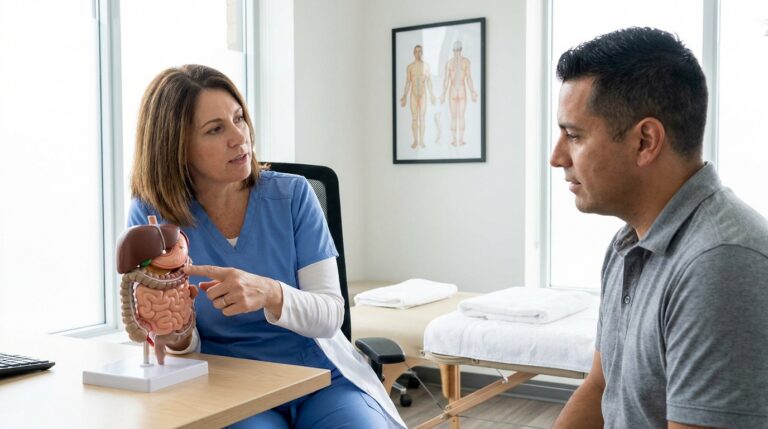
Consultation and assessment (including tongue/pulse if used)
Your visit typically starts with a detailed conversation about your symptoms and goals. Your acupuncturist may ask:
- When the symptoms started and what seems to trigger them
- What makes symptoms better or worse
- How symptoms affect work, training, mood, and sleep
- Whether pain travels, changes quality, or has numbness or tingling
- What you have tried so far, and what has helped
Some practitioners use Traditional Chinese Medicine assessment tools such as a brief tongue observation and pulse reading at the wrists. These are not painful. They are used to gather information about patterns that can influence point selection and the overall plan.
Depending on your issue, there may also be a simple movement screen, palpation of tender areas, or checking range of motion, especially for musculoskeletal pain.
Treatment plan and consent
Next, your acupuncturist typically explains a proposed approach. This includes:
- Which areas will be treated and why
- What positions you will be in (on your back, stomach, or side)
- How many needles might be used (often a range)
- How long needles will stay in place
- Whether other modalities may be offered (such as heat, cupping, or electrical stimulation)
You should also have a chance to ask questions. Consent matters throughout the session. If you prefer fewer needles, want to avoid a specific area, or feel anxious about the process, tell your provider. A good plan fits your comfort level while still addressing your goals.
In the room: needle placement, rest time, and removal
| Stage | What happens | What you might feel |
|---|---|---|
| Getting settled | You lie on a padded table. Pillows, sheets, and blankets are used for comfort. | Warmth, support, and a sense of settling in. |
| Needle placement | Ultra-thin, sterile, single-use needles are inserted at selected acupuncture points. | A quick pinch, tap, pressure, or mild tingle that usually fades fast. |
| Needle retention | You rest quietly with needles in place, often 15 to 30 minutes. | Deep relaxation, heaviness, warmth, or even falling asleep. |
| Removal | Needles are gently removed and disposed of immediately. | Often barely noticeable, sometimes a brief pinch at removal. |
Some first appointments may also include additional approaches that are common in acupuncture practice. Not every clinic uses every modality, but it helps to know what you might encounter.
- Electroacupuncture: A gentle, controlled electrical stimulation is applied through certain needles. People often describe it as a mild pulsing or tapping sensation. It is sometimes used for pain, muscle tightness, and various conditions where stimulation is helpful.
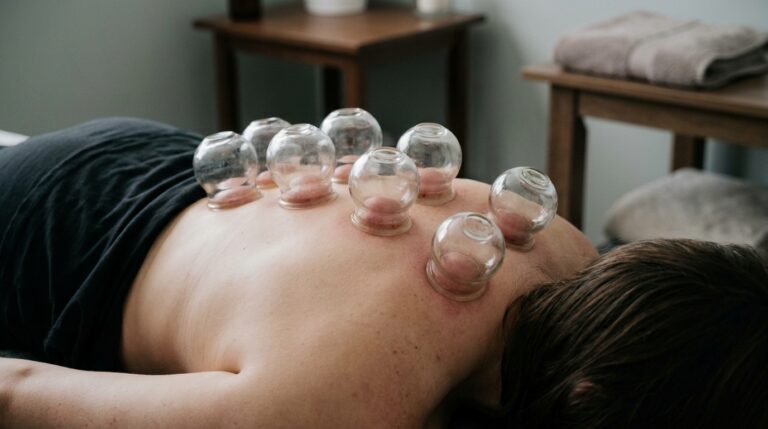
- Cupping: Cups create suction on the skin, often on the back or shoulders. It can reduce muscle tightness and improve local circulation. It commonly leaves temporary circular marks that fade over several days.
- Moxibustion (moxa): A warming technique using an herbal preparation near the skin, often used when warmth is therapeutically appropriate. You should feel gentle heat, not burning.
- Manual techniques: Some sessions include light acupressure, muscle work, or stretching.
See a Thrive clinician
Acupuncture, dry needling and physical therapy across four Long Island offices. Same-week appointments are usually available, and you do not need a referral to start.
Needles, Sensations, and Safety
Needles are often the biggest unknown in a first acupuncture appointment. Understanding the basics can help you feel more confident and relaxed.
What are acupuncture needles like? Acupuncture needles are solid, stainless steel, and extremely thin, much thinner than the hollow needles used for injections or blood draws. Sizes vary, and your acupuncturist chooses needle length and thickness based on the body area, your build, and the technique being used.
How many needles are used? It varies by practitioner and condition, but many sessions use roughly 5 to 20 needles, sometimes more or fewer depending on the treatment plan and how sensitive you are. You can request fewer needles, especially if you are nervous during your first visit.
How deep do needles go? Insertion depth depends on the point location, the tissue being treated, and your body type. Some needles are very superficial, while others may be placed deeper into thicker muscle regions. Your acupuncturist should never force a needle, and you should speak up if something feels sharp or wrong.
What does “de qi” mean? You may hear the term de qi. In plain language, it refers to a characteristic sensation that can happen when a point is stimulated. People describe it as:
- A dull ache (not sharp pain)
- Heaviness
- Warmth
- A spreading or radiating feeling
- A mild pulsing or buzzing sensation
Not everyone feels de qi, and you do not have to “chase” intense sensations to get a benefit. Many effective sessions feel subtle.
Sterility and disposal: Needles should be sterile, single-use, and disposable. They are opened from sealed packaging and disposed of immediately after removal in a sharps container. If you ever have concerns about cleanliness, it is appropriate to ask your acupuncturist about their safety standards.
Minor bleeding or bruising: A tiny drop of blood or a small bruise can happen occasionally, especially on the hands, feet, or areas with more superficial vessels. This is typically mild and temporary.
Knowing how a clinic handles needles, hygiene, and consent is a fair part of deciding where to book. Our acupuncture page walks through how visits are structured at our Long Island clinics, from the first intake through follow-up care.
Do Acupuncture Needles Hurt? Sensations to Expect (Including “De Qi”)
The question does acupuncture hurt is one of the most common. Most people find acupuncture far more comfortable than they expected.
During insertion you might feel:
- A quick pinch or tiny prick
- A tap-like sensation
- Pressure
- A brief tingle
Once the needle is placed, it often feels like very little, or you may notice a dull, heavy, warm, or spreading sensation. If you feel sharp pain, burning, or significant discomfort that does not settle within a few seconds, tell your acupuncturist right away. The needle can be adjusted or removed. You remain in control of your treatment.
Some people also notice emotional release, deep calm, or a “reset” feeling in the nervous system. Others feel energized afterward. All of these responses can be normal.
After Your Session: Normal Reactions and Aftercare
Knowing after acupuncture what to do helps you protect the progress you made during the session. Many people feel calm, lighter, or looser after treatment, but experiences vary.
Common normal reactions in the first several hours can include:
- Relaxation, sleepiness, or a calm mood
- Temporary soreness at a needle site (similar to a mild workout soreness)
- A slight headache or “spacey” feeling
- Thirst or increased urination
- Temporary symptom changes, including brief flares before improvement
Simple aftercare for the next 24 hours:
- Hydrate: Drink water after your session and throughout the day.
- Eat normally: A balanced meal within 1 to 2 hours is often helpful, especially if you feel light-headed.
- Avoid alcohol: Skipping alcohol the day of treatment is commonly recommended.
- Keep movement gentle: Walking, easy mobility work, or light stretching is usually fine. If possible, postpone intense training until the next day.
- Prioritize sleep: If you can go to bed a bit earlier, it often supports recovery.
- Notice patterns: Jot down changes in pain, sleep, digestion, or stress. This helps refine your plan.
When to call the clinic or seek care: Contact your provider if you have concerning symptoms such as worsening redness, heat, swelling, fever, severe dizziness, fainting, shortness of breath, chest pain, or any reaction that feels urgent. If symptoms are severe, seek emergency medical care.
Safety, Side Effects, and When to Avoid or Postpone Acupuncture
Acupuncture is generally considered safe when performed by a licensed, properly trained professional using sterile, single-use needles. Like any medical or therapeutic treatment, it can have risks and side effects.
Common, mild side effects may include:
- Temporary soreness or tenderness at needle sites
- Small bruises
- Minor bleeding (a tiny drop)
- Temporary fatigue or sleepiness
Less common risks can include:
- Significant bruising (more likely if you bruise easily or take blood thinners)
- Worsening symptoms that persist beyond a day or two
- Skin irritation from adhesives if ear seeds or tape are used
Who should use extra caution or get medical clearance:
- People on blood thinners or with bleeding disorders (acupuncture may still be possible, but disclose this during intake)
- Pregnant patients (acupuncture is sometimes used in pregnancy, but point selection and positioning must be pregnancy-appropriate)
- People with pacemakers (electroacupuncture may be avoided)
- Those with compromised immune systems or active infection (you may be advised to postpone)
- Anyone with unexplained symptoms such as sudden weight loss, persistent fever, progressive weakness, or night sweats should seek medical evaluation
When to postpone: If you have a fever, contagious illness, or a new and severe symptom that has not been medically evaluated, rescheduling is often the safest choice.
Follow-Up Visits: How Many Sessions and How Often?
A common question after a first acupuncture appointment is how many sessions you will need. The honest answer is that it depends on the condition, how long it has been present, your overall health, and your goals.
Many treatment plans follow a general pattern:
- Acute issues or flare-ups: Often 1 to 2 sessions per week for a short period, then taper as symptoms improve.
- Chronic symptoms: Often a short series of consistent visits to evaluate response, then adjustments based on progress.
- Maintenance and prevention: Some people choose visits every few weeks, monthly, or seasonally depending on lifestyle and symptom patterns.
Your acupuncturist should discuss a reasonable plan after the first session, including how you will measure progress. Progress can include pain reduction, better sleep, fewer headaches, improved range of motion, improved mood regulation, or faster recovery after activity.
Frequently Asked Questions
- How long is an acupuncture appointment?
For most people, the first visit is about 60 to 90 minutes because it includes consultation, assessment, and a first treatment. Follow-up visits are usually 45 to 60 minutes, depending on the clinic and the complexity of your case.
- Can I shower after acupuncture?
In most cases, yes. A normal shower is usually fine. If you had cupping, gua sha, or adhesive tape used, ask your provider for specific guidance, especially if your skin is sensitive.
- Can I exercise after acupuncture?
Light movement is often fine, but many people do best avoiding intense training the same day, especially after their first acupuncture session. If your goal is pain relief or nervous system regulation, gentle activity and good sleep often support better results.
- Should I take pain meds before my appointment?
If a medication is prescribed, do not stop it without medical advice. If you take over-the-counter pain medicine right before your appointment, tell your acupuncturist because it can change how tenderness and symptoms present during assessment. Your provider can still treat you, but accurate feedback helps refine point selection and the plan.
- What if I’m on blood thinners?
Tell your acupuncturist during the intake. Acupuncture may still be appropriate, but your provider may use gentler techniques, avoid certain areas, and monitor bruising risk. If you bruise easily or notice unusual bleeding, contact your medical provider.
- How many sessions will I need?
It varies. Some people notice changes quickly, while longer-standing conditions may take a series of treatments. A common approach is to start with a short, consistent trial period and reassess based on symptom change, function, and how your body responds.
- Can I get acupuncture while pregnant?
Acupuncture is sometimes used during pregnancy, but it should be performed by a licensed practitioner experienced with pregnancy care. Always disclose pregnancy (or the possibility of pregnancy) so the treatment plan, positioning, and point selection are appropriate. For any pregnancy complications or new concerning symptoms, contact your obstetric provider first.
For most people, the first visit is about 60 to 90 minutes because it includes consultation, assessment, and a first treatment. Follow-up visits are usually 45 to 60 minutes, depending on the clinic and the complexity of your case.
In most cases, yes. A normal shower is usually fine. If you had cupping, gua sha, or adhesive tape used, ask your provider for specific guidance, especially if your skin is sensitive.
Light movement is often fine, but many people do best avoiding intense training the same day, especially after their first acupuncture session. If your goal is pain relief or nervous system regulation, gentle activity and good sleep often support better results.
If a medication is prescribed, do not stop it without medical advice. If you take over-the-counter pain medicine right before your appointment, tell your acupuncturist because it can change how tenderness and symptoms present during assessment. Your provider can still treat you, but accurate feedback helps refine point selection and the plan.
Tell your acupuncturist during the intake. Acupuncture may still be appropriate, but your provider may use gentler techniques, avoid certain areas, and monitor bruising risk. If you bruise easily or notice unusual bleeding, contact your medical provider.
It varies. Some people notice changes quickly, while longer-standing conditions may take a series of treatments. A common approach is to start with a short, consistent trial period and reassess based on symptom change, function, and how your body responds.
Acupuncture is sometimes used during pregnancy, but it should be performed by a licensed practitioner experienced with pregnancy care. Always disclose pregnancy (or the possibility of pregnancy) so the treatment plan, positioning, and point selection are appropriate. For any pregnancy complications or new concerning symptoms, contact your obstetric provider first.
About Thrive Health Acupuncture
If you would like to schedule a visit or speak with a provider, Thrive Health Acupuncture offers acupuncture care for people in East Setauket, Sayville, Smithtown, and Westhampton. If you are not sure whether acupuncture is appropriate for your symptoms or you want help planning your first appointment, our team can explain what to expect and how to prepare.
Key takeaway: Your first acupuncture appointment is usually a mix of consultation, assessment, and a calm, carefully guided treatment. You should feel informed, respected, and in control at every step.
Key takeaway: Your first acupuncture appointment is usually a mix of consultation, assessment, and a calm, carefully guided treatment. You should feel informed, respected, and in control at every step.
Thinking about a first session?
A licensed acupuncturist can go over your goals and answer questions before any needles are used. You are welcome to ask about anything that felt unclear while reading this.