If you are looking into acupuncture for diabetic peripheral neuropathy, you are in a large group of people trying to reduce burning, tingling, numbness, or “electric” pain in the feet while still following a medical plan for diabetes. Many patients explore diabetic neuropathy treatment acupuncture because symptoms can disrupt sleep, limit walking, and make it harder to stay active, even with good glucose management and the right drug plan.
This guide is for people in East Setauket, Sayville, Smithtown, and Westhampton who want a clear, practical overview of how acupuncture for diabetic neuropathy and electroacupuncture for diabetic neuropathy are commonly used, what the evidence suggests, how progress is measured, how to stay safe (especially with diabetic feet), and how acupuncture fits into step-by-step neuropathy care alongside standard options.
Main Highlights to Know
- Typical symptom pattern: Diabetic peripheral neuropathy (DPN) often starts in the toes and soles and moves upward in a symmetrical “stocking” distribution, commonly causing burning, tingling, numbness, and nighttime discomfort.
- How DPN is confirmed: A clinician usually diagnoses DPN with history plus a focused foot and nerve exam (monofilament sensation, vibration, reflexes, skin checks). Nerve conduction studies are sometimes used when symptoms are atypical or rapidly changing.
- Does acupuncture help diabetic neuropathy? Research suggests acupuncture, particularly electroacupuncture, may help some people with pain, tingling, sleep disruption, and function. Some studies also evaluate nerve conduction changes, but results vary and quality differs across articles.
- What tends to improve first: Many people notice sleep and pain intensity changes before numbness. Sensation and balance changes often take longer and may be partial.
- Best use case: Acupuncture is usually most effective as an add-on to standard care (glucose control, foot care, appropriate medications, exercise), not a substitute.
- Safety matters: Diabetic feet may have reduced sensation and slower healing, so treatment requires strict infection control, careful site selection, and clear “do not needle” rules for ulcers, infection, or suspected Charcot changes.
What Is Diabetic Peripheral Neuropathy (DPN)? Symptoms and Patterns
Diabetic peripheral neuropathy is nerve dysfunction associated with diabetes, often related to long-term raised blood glucose and metabolic stress that can affect both nerves and the small blood vessels that nourish them. DPN most commonly affects the longest nerves first, so symptoms typically begin in the toes and feet.
Common DPN symptoms include:
- Burning pain, “hot feet,” or discomfort that is worse at night
- Tingling or pins-and-needles sensations
- Numbness, reduced ability to feel the floor, or a “walking on cotton” sensation
- Shooting or stabbing pains that can come without warning
- Balance changes and increased fall risk, especially on uneven surfaces
- Allodynia (pain from light touch, such as bedsheets)
Because DPN can reduce protective sensation, it also increases the risk of unnoticed blisters, pressure points, and skin breakdown. That is one reason acupuncture for neuropathy in feet must be done with careful screening and conservative technique selection.
How DPN Is Diagnosed (and When to Get Medical Testing)
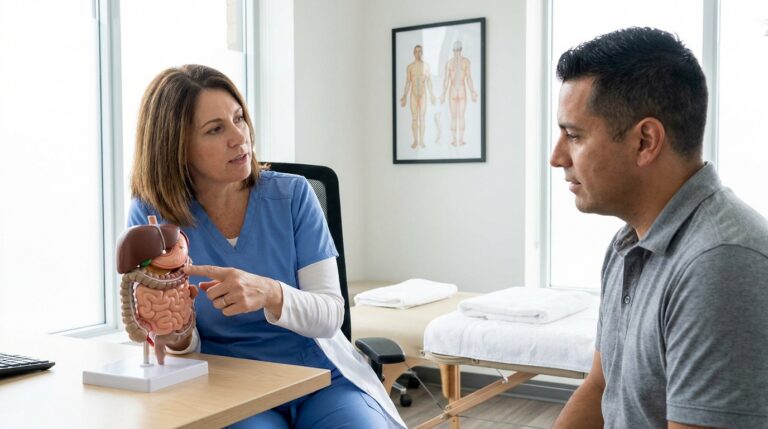
DPN is primarily a clinical diagnosis. A medical provider (primary care, endocrinology, neurology, or podiatry) typically confirms it using symptom pattern plus a focused exam. This matters because many conditions can mimic neuropathy, and treatment choices, including acupuncture, should match the underlying cause.
Typical diagnostic workup (patient-friendly overview)
- Symptom pattern review: Is it symmetrical? Does it start in the toes? Is it worse at night? Are there balance changes?
- Foot inspection: Skin integrity, calluses, cracks, blisters, nail issues, deformity, swelling, temperature differences, and signs of infection.
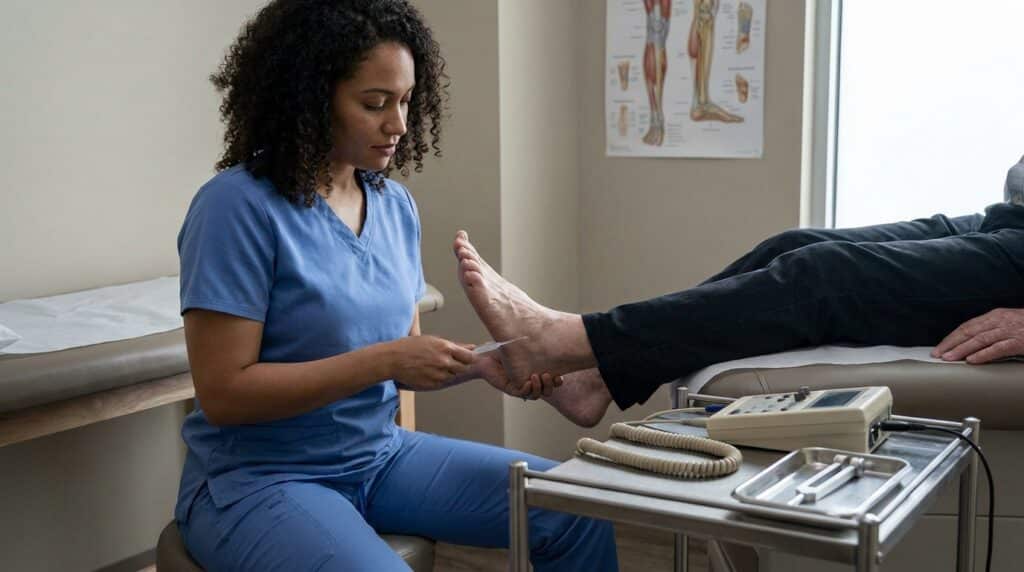
- Monofilament testing: A small nylon filament is pressed to different spots on the foot to check protective sensation. Difficulty feeling it can indicate higher ulcer risk.
- Vibration testing: Often using a tuning fork on the big toe to assess vibration sense, which commonly decreases in neuropathy.
- Reflexes: Ankle reflexes may be reduced with peripheral neuropathy.
- Circulation screen: Pulse checks, skin temperature, color, and sometimes additional vascular testing if blood flow concerns are present.
When nerve conduction studies are used
Nerve conduction studies (NCS) and related tests may be ordered when the presentation is unclear, rapidly worsening, one-sided, or associated with weakness. These tests evaluate how well electrical signals travel along a nerve. They can help distinguish DPN from other causes such as radiculopathy (nerve root irritation from the spine), entrapment neuropathy, or other neuropathy types.
Nerve conduction velocity in plain language means: how fast the nerve can transmit a signal from one point to another. Slower “signal speed” can reflect nerve irritation or damage. Some acupuncture research uses changes in nerve conduction velocity as one outcome, but improvements on a test do not always match how you feel day to day, so both objective and symptom-based tracking are useful.
Red-flag symptoms that need prompt medical evaluation
- New or worsening weakness (foot drop, trouble lifting the toes, sudden instability)
- Rapidly worsening numbness, especially over days to weeks
- Open sores, drainage, blackened skin, or a new ulcer
- Fever, spreading redness, or severe warmth and swelling (possible infection)
- One-sided symptoms or symptoms that follow a specific stripe-like distribution
- Sudden hot, swollen, red foot after minor injury (concern for Charcot changes)
Acupuncture for Diabetic Neuropathy: What the Evidence Says (2024-2026)
Interest in acupuncture for diabetic neuropathy has grown because many people want additional options beyond medication, especially when side effects, incomplete pain relief, or sleep disruption persist. Over the past few years, research has continued to evaluate acupuncture and electroacupuncture for diabetic neuropathy as adjunctive approaches.
Across the body of research, results commonly suggest acupuncture may be effective for some patients as part of a thorough plan. However, studies differ in methods, point prescriptions, frequency, comparison groups, and how outcomes are measured. The practical takeaway is not that acupuncture reverses neuropathy, but that it may help reduce symptoms and improve function for a meaningful number of people.
Outcomes Studied (Pain, Numbness, Sleep, Nerve Conduction)
Studies commonly look at one or more of the following outcomes:
- Pain intensity: Often measured with a 0 to 10 pain scale. Many patients seeking diabetic peripheral neuropathy pain relief care most about nighttime burning and sensitivity.
- Numbness and tingling: These may be measured through symptom questionnaires or sensory testing. Tingling can shift earlier than numbness for some people.
- Sleep: Night symptoms often drive sleep disruption. Sleep improvements are frequently reported earlier than sensory changes.
- Function and quality of life: Walking tolerance, standing time, balance confidence, and daily activity participation.
- Nerve conduction measures: Some trials measure motor and sensory nerve conduction velocity. In plain terms, this tests the nerve’s “signal speed” and how strongly it can transmit messages.
For patients, the most useful approach is to track both how you feel and how you function, not just one metric. In a clinic setting, we often recommend choosing a small set of measurable markers:
- Pain scale at the same time each day (for example, bedtime burning from 0 to 10)
- Sleep measures (time to fall asleep, number of awakenings from foot discomfort)
- Walking tolerance (minutes or steps before symptoms force rest)
- Simple foot sensation checks (noticing changes in awareness of socks, floor texture, temperature, or toe position)
What the Evidence Can and Cannot Prove
What research can suggest:
- Acupuncture may reduce neuropathic pain and improve sleep and quality of life in some patients.
- Electroacupuncture may offer additional benefit for pain modulation and nerve excitability in some protocols.
- Some studies report improvements in nerve conduction outcomes, which may reflect improved nerve signaling or reduced nerve irritation.
What research cannot reliably prove (yet):
- That acupuncture reverses diabetic nerve damage for every patient, or that changes on nerve tests always equal meaningful symptom relief.
- The single “best” point formula or exact number of treatments for everyone, because protocols differ across articles and patient populations. That acupuncture replaces established foundations of care such as glucose management, foot care, and appropriate medical evaluation.
The most evidence-aligned approach is to treat acupuncture as a time-limited trial within an overall plan, measure outcomes, and reassess at defined intervals.
See a Thrive clinician
Acupuncture, dry needling and physical therapy across four Long Island offices. Same-week appointments are usually available, and you do not need a referral to start.
Why Electroacupuncture Is Commonly Used for DPN
Electroacupuncture for diabetic neuropathy uses gentle electrical stimulation attached to acupuncture needles. Clinicians often choose it for DPN because neuropathic symptoms can respond to repeated, consistent stimulation patterns.
Mechanisms are best framed as hypotheses supported by a mix of clinical research and neurophysiology:
- Analgesia pathways: Stimulation may influence the nervous system’s pain modulation, including spinal and brain-mediated pain inhibition.
- Nerve excitability: Repetitive input may affect how readily nerve pathways “fire,” which can matter in burning, tingling, and allodynia.
- Circulation and microvascular effects: Some data suggests acupuncture can influence local blood flow, which is clinically relevant because DPN is associated with metabolic stress and vascular factors.
- Muscle and tissue effects: Reducing calf and foot muscle guarding can indirectly improve comfort and gait.
Practically, electroacupuncture is not automatically “better” than manual acupuncture. It is one tool in a group of methods. A clinician may choose it when symptoms are persistent, bilateral, and clearly neuropathic, or when a patient is not responding sufficiently to manual needling alone.
Acupuncture Points Commonly Used for Diabetic Neuropathy (How Clinicians Choose)
People often search for diabetic neuropathy acupuncture points, but point choice is individualized. In clinical practice, selection typically depends on:
- Symptom location: toes, soles, ankles, calves
- Symptom quality: burning vs. stabbing vs. numbness, plus night predominance
- Safety: skin integrity, circulation concerns, ulcer risk, and reduced sensation
- Whole-person pattern: sleep, stress, digestion, hydration, and activity tolerance
Commonly used point regions for acupuncture for diabetic peripheral neuropathy may include a combination of:
- Distal leg points to address lower-limb symptoms and gait-related discomfort
- Ankle and foot-adjacent points when safe and appropriate (often avoiding the plantar surface in high-risk feet)
- Upper-body or systemic points aimed at pain modulation, sleep support, and overall regulation
Important: Point lists online can be misleading. For diabetic feet, clinicians should avoid needling through callus, cracked skin, or any area at risk, even if it is a “common” point location in textbooks.
What a Typical Treatment Course Looks Like (Visits, Timeline, Reassessments)
A structured plan improves both results and decision-making. Below is a realistic mini-roadmap for diabetic neuropathy treatment acupuncture in a clinical setting such as Thrive Health Acupuncture.
Visit 1: Intake, screening, and baseline measurements
- History: diabetes status, A1C trends if known, medications (including anticoagulants), onset and pattern of symptoms, sleep, activity limits.
- Foot and lower leg screen: skin integrity, swelling, temperature, redness, pulses if appropriate to scope, and any “do not treat” areas.
- Baseline tracking: pain scale, sleep disruption, walking tolerance, and a simple symptom map of both feet.
- Plan: frequency and whether electroacupuncture is appropriate.
Treatment sessions: what happens in the room
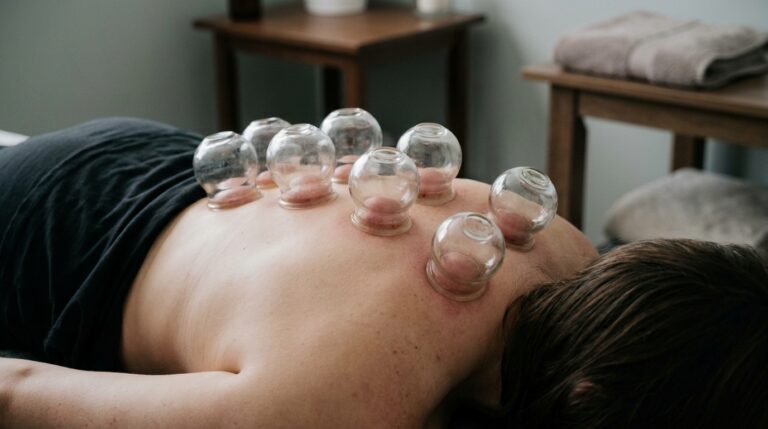
- Needling: sterile, single-use needles placed based on your presentation and safety screening.
- Electroacupuncture (if used): gentle stimulation for a set period. The sensation is often described as mild tapping, buzzing, or rhythmic pulsing. It should not be sharply painful.
- Needle retention time: commonly around 20 to 30 minutes, adjusted to tolerance and treatment goals.
- Aftercare guidance: hydration, movement as tolerated, and foot monitoring instructions.
Timeline and reassessment points
- Weeks 1 to 4: Often 1 to 2 visits per week. Early changes may show up as better sleep, fewer nighttime flares, or reduced burning intensity.
- Week 4 reassessment: Review symptom scores and function. If there is no meaningful change, the plan should be adjusted or you should be referred back for medical reevaluation.
- Weeks 5 to 8: Continue if improving. Tingling and pain often change before numbness. Some patients notice improved steadiness or confidence walking.
- Week 8 reassessment: Decide whether to continue, taper frequency, or pause and monitor. Many plans total 8 to 12 weeks, depending on severity and response.
For acupuncture for neuropathy in feet, a realistic goal is often reduced pain, improved sleep, and improved daily function. Full return of sensation may be possible for some, but it is not certain, especially when neuropathy has been present for a long time.
Safety and Contraindications for Acupuncture on Diabetic Feet
Acupuncture is generally considered safe when performed by a licensed clinician using sterile technique. With DPN, safety planning is more stringent because reduced sensation can mask injury and diabetes can increase infection risk.
Safety checklist (screening questions to discuss)
- Skin integrity: Any ulcers, blisters, cracked skin, weeping areas, or recent wounds?
- Infection concerns: Redness, warmth, swelling, drainage, or fever?
- Circulation issues: Known peripheral artery disease, prior vascular procedures, severe cold feet, or non-healing wounds?
- Reduced sensation: Can you reliably feel pain or pressure in the area to be treated?
- Bleeding risk: Are you on anticoagulants or antiplatelet drugs, or do you have a bleeding disorder or easy bruising?
- Implanted devices: Pacemaker, defibrillator, neurostimulator, insulin pump, or other implanted electrical devices (especially relevant for electroacupuncture)?
Anticoagulants and bleeding risk: Acupuncture may still be possible for many patients on blood thinners, but it should be approached conservatively with appropriate technique and communication with your medical team when needed.
Infection control specifics: Safe practice includes sterile, single-use needles, clean field technique, hand hygiene, and careful avoidance of compromised skin. For high-risk feet, clinicians often choose points above the ankle or use non-local strategies when appropriate.
Neuropathy-related caution: If sensation is reduced, a patient may not feel excessive stimulation or irritation. Treatment should be conservative, and the clinician should check the skin closely before and after.
When Treatment Should Be Deferred (Ulcers, Infection, Severe Vascular Disease, Devices)
Do not needle (and seek medical evaluation when appropriate) in the following scenarios:
- Open ulcer or any broken skin on or near the intended needling area
- Cellulitis, spreading redness, warmth, drainage, or fever
- Suspected Charcot foot (hot, swollen, red foot, often after minor injury)
- Severe swelling with unclear cause
- Severe vascular compromise or non-healing wounds until medically cleared
- Electroacupuncture contraindications: certain implanted devices or situations where electrical stimulation is not appropriate
Foot aftercare: what to monitor in the next 24 to 48 hours
- New redness that spreads, increasing warmth, swelling, or drainage
- Skin breakdown, blistering, or unusual bruising
- Worsening pain that feels different from your typical neuropathy pattern
If any of these occur, contact your medical provider promptly. Reduced sensation can delay detection, so visual checks are important.
Coordinating Acupuncture with Medications and Standard DPN Care
Acupuncture works best as part of a coordinated plan. Many patients are already using a drug approach such as gabapentin, pregabalin, duloxetine, or other neuropathic pain medications, plus diabetes management. Acupuncture can often be added without stopping medications, but your prescribing clinician should guide medication decisions.
Common non-drug options that are often combined with acupuncture include:
- Exercise and physical therapy: strength, balance, gait training, and graded activity can improve function and reduce fall risk. (Some patients coordinate acupuncture and rehab through Thrive Health.)
- TENS: a non-invasive electrical stimulation option that may reduce pain for some people. Electroacupuncture is different because stimulation is delivered through needles and is typically clinician-guided.
- Topical therapies: lidocaine or capsaicin products may help localized pain or hypersensitivity.
- Foot care and footwear: daily inspection, moisturizing (avoiding between toes if advised), callus management by professionals, proper shoes, and offloading if pressure points exist.
- Podiatry care: especially when deformity, calluses, ulcer risk, or nail issues are present.
A simple stepwise decision guide
- Confirm the diagnosis: Make sure symptoms fit DPN and get appropriate medical evaluation if anything is atypical.
- Cover the foundations: glucose management, daily foot checks, safe activity, footwear, and medical management of pain when needed.
- Add supportive therapies: consider acupuncture for diabetic neuropathy when pain, sleep disruption, tingling, or function limits persist.
- Reassess at 4 to 8 weeks: continue if meaningful progress occurs, adjust if partial, or escalate medical evaluation if worsening or red flags appear.
When to See a Licensed Acupuncturist (and How to Choose One in the Setauket Area)
Consider seeing a licensed acupuncturist if you have a confirmed or strongly suspected DPN pattern and want a structured, measurable trial for symptom relief, especially for:
- nighttime burning or pain
- tingling and discomfort that limits walking
- sleep disruption from foot symptoms
- persistent symptoms despite standard care
Choosing an acupuncturist matters for neuropathy care. Look for a clinician who:
- Is licensed and uses sterile, single-use needles
- Understands diabetic foot risk and performs skin-integrity screening
- Can explain a stepwise plan with reassessment points and measurable goals
- Coordinates care with your medical team when appropriate
- Has experience with electroacupuncture and understands when it is, or is not, appropriate
If you are in East Setauket, Sayville, Smithtown, or Westhampton, Thrive Health Acupuncture can help you understand whether a short, safety-first course of acupuncture is appropriate within your overall DPN plan.
Frequently Asked Questions
Does acupuncture help diabetic neuropathy?
Research suggests acupuncture can help some people reduce neuropathic pain, improve sleep, and improve day-to-day function. Results vary, and it is best approached as a time-limited trial with clear outcome tracking.
Can acupuncture help numbness from diabetic neuropathy?
It may help in some cases, but numbness often changes more slowly than burning or tingling. Many patients notice improvements in sleep and pain first, then gradual shifts in tingling or sensory awareness if progress occurs.
What is the time commitment for acupuncture for diabetic peripheral neuropathy?
A common plan is 1 to 2 visits per week initially, often for 4 to 8 weeks before a formal reassessment, with a typical total course of about 8 to 12 weeks when improving.
How long do results last?
It depends on factors such as symptom severity, diabetes control, activity level, and ongoing foot stress. Some patients maintain gains with tapered visits, while others use periodic “maintenance” sessions during flare-ups.
Is acupuncture safe if I use insulin or other diabetes medications?
Acupuncture is generally compatible with insulin and most diabetes medications. The key safety issues are skin integrity, circulation, infection risk, and reduced sensation, plus bleeding risk if you are on anticoagulants.
How do I choose electroacupuncture vs. manual acupuncture for diabetic neuropathy?
Electroacupuncture is often chosen when symptoms are persistent and clearly neuropathic, or when a clinician wants a consistent stimulation dose. Manual acupuncture may be preferred when sensation is very reduced, when fewer local points are appropriate, or when the treatment goal is broader (sleep, stress, whole-body pain modulation).
When should acupuncture be avoided for neuropathy in the feet?
Acupuncture should be deferred over or near ulcers, open sores, cellulitis, suspected Charcot foot, or areas with broken skin. It may also be deferred in severe vascular compromise until medical clearance, and electroacupuncture may not be appropriate with certain implanted devices.