If you are searching for acupuncture for carpal tunnel syndrome, you are likely looking for a conservative option that can reduce nighttime numbness, tingling, and hand weakness without jumping straight to injections or surgery. At Thrive Health Acupuncture, we use a structured, evidence-informed approach to carpal tunnel acupuncture that includes a thorough assessment, a clear treatment plan, and coordination with other care when appropriate.
This guide explains how carpal tunnel syndrome (CTS) is commonly evaluated, how acupuncture may help, what a typical plan looks like (including electroacupuncture for carpal tunnel when indicated), and how acupuncture is often combined with other conservative treatments like splints, ergonomics, therapy, and medicine.
Key Takeaways (Acupuncture for Carpal Tunnel)
- Carpal tunnel syndrome is usually caused by compression and irritation of the median nerve at the wrist.
- Acupuncture for wrist numbness and tingling may help reduce symptoms and improve hand function, especially in mild-to-moderate CTS.
- Electroacupuncture is sometimes used to provide a consistent, gentle stimulus that can be helpful for more persistent symptoms.
- Most care plans involve 6 to 8 weeks of treatment with reassessment, not an open-ended schedule.
- Acupuncture is commonly combined with night splinting, activity modification, ergonomics, and therapy for better outcomes.
- Constant numbness, progressive weakness, or thenar muscle wasting are red flags that need medical evaluation promptly.
What Is Carpal Tunnel Syndrome? (Median Nerve Compression)
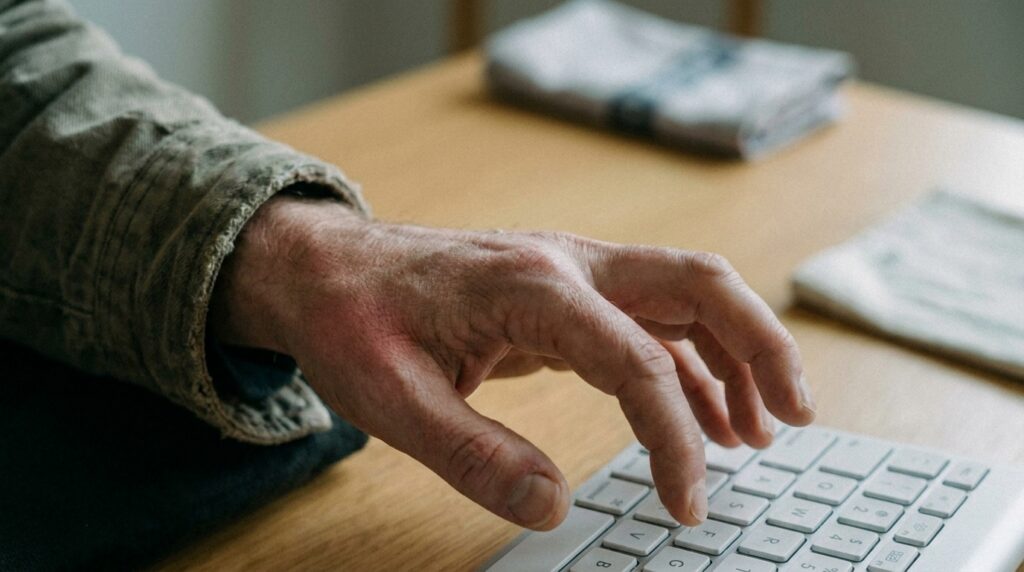
Carpal tunnel syndrome is a type of entrapment neuropathy. The median nerve passes through a narrow tunnel at the wrist (the carpal tunnel) along with several flexor tendons. When the tunnel’s contents become irritated or crowded, the nerve can be compressed, leading to numbness, tingling, pain, and weakness.
CTS can be influenced by repetitive hand use, wrist position, swelling, tendon irritation, inflammatory conditions, hormonal changes (including pregnancy), and certain metabolic conditions. Because several conditions can mimic CTS, a good assessment matters before starting any therapy.
Symptoms of Carpal Tunnel (Numbness, Tingling, Night Pain)
People commonly seek carpal tunnel acupuncture for symptoms such as:
- Numbness and tingling in the thumb, index, middle, and sometimes the thumb-side of the ring finger
- Nighttime waking, often with the urge to shake or flick the hand to restore sensation
- Aching in the wrist and forearm
- Clumsiness, dropping objects, difficulty with buttons, zippers, or fine motor tasks
- Grip or pinch weakness, especially with prolonged use
Who We Treat (Common Patterns We See)
- Office workers, typists, and heavy mouse users: Try keeping wrists neutral, lowering keyboard tilt, and taking 30 to 60 second micro-breaks every 20 to 30 minutes.
- Dental hygienists and clinicians: Vary grip pressure, adjust handle diameter when possible, and avoid prolonged wrist flexion while working.
- Hair stylists: Alternate tasks, reduce sustained gripping, and keep wrists stacked (not bent) during blow-drying and cutting.
- Mechanics and tradespeople: Use padded grips, rotate tasks, and avoid prolonged vibration exposure when possible.
- Pregnancy-related CTS: Night splinting and swelling management are often key. Many pregnant patients seek conservative care to reduce nighttime symptoms.
Diagnosis & Self-Check (What Evaluation Commonly Includes)
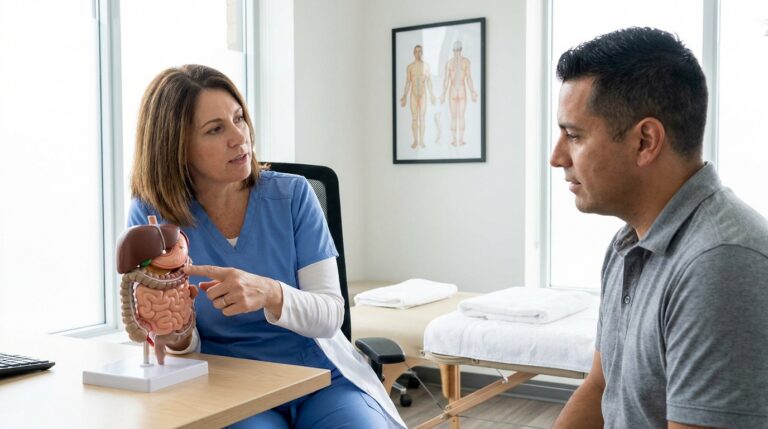
CTS is typically diagnosed by a medical professional based on history, exam, and sometimes testing. In our clinic, we focus on identifying whether your symptom pattern is consistent with median nerve irritation and whether you have any red flags that warrant referral.
A typical evaluation process (often used by physicians, and aligned with what patients can expect) includes:
- History: symptom timing (especially night symptoms), aggravating activities, hand dominance, pregnancy status, thyroid or inflammatory history, prior injuries, and prior treatments
- Symptom mapping: which fingers are affected, whether symptoms radiate up the forearm, and whether both hands are involved
- Provocative tests: maneuvers that may reproduce symptoms (for example, wrist flexion positions or tapping over the nerve)
- Screening for mimics: neck-related nerve irritation, tendon problems, arthritis, or other neuropathies
- When EMG or ultrasound is used: these may be ordered by your physician when diagnosis is unclear, symptoms are severe, or before procedures
Important: Acupuncture does not replace a medical diagnosis. If your symptoms suggest severe nerve compression, we may recommend prompt medical evaluation alongside care.
Who Is a Good Candidate for Acupuncture, and Who Needs Medical Evaluation First?
Acupuncture for carpal tunnel syndrome is often a good fit when symptoms are mild-to-moderate, intermittent, and activity-related, especially when nighttime numbness improves with position changes or shaking the hand.
Good candidates often include
- New or recurring CTS symptoms without constant numbness
- Night waking, tingling, or hand fatigue that worsens with typing, gripping, or repetitive wrist use
- People who want a conservative approach before considering steroid injections or surgery
- People using splints or therapy who want additional symptom control and functional improvement
Seek medical evaluation promptly if you have red flags
- Constant numbness that does not come and go
- Progressive weakness, frequent dropping, or inability to pinch
- Visible thenar muscle wasting (flattening at the base of the thumb)
- Severe pain with rapidly worsening symptoms
- Symptoms after a significant injury, or symptoms associated with systemic illness
These signs can indicate more advanced nerve compression. Acupuncture may still be used for comfort and support, but it should not delay appropriate medical care.
How Acupuncture May Help Carpal Tunnel (Mechanisms)
While results vary by person and severity, research suggests acupuncture may help CTS through several complementary mechanisms. In practical terms, the goal is to reduce irritability in the nerve and improve how the hand and forearm tissues tolerate daily load.
- Reducing local irritation and inflammation: Acupuncture may help regulate inflammatory signaling and reduce sensitivity in irritated tissues around the carpal tunnel.
- Supporting nerve function: Some studies suggest acupuncture may influence nerve conduction and nerve sensitivity, which can be relevant in mild-to-moderate CTS.
- Releasing forearm flexor tension: Many CTS cases involve overworked forearm flexors and gripping muscles. Treating the forearm and wrist region may reduce mechanical strain and improve movement quality.
- Modulating pain processing (central sensitization and neuroplasticity): Acupuncture can influence how the nervous system processes sensation and pain, which may help reduce persistent tingling, burning, or hypersensitivity.
See a Thrive clinician
Acupuncture, dry needling and physical therapy across four Long Island offices. Same-week appointments are usually available, and you do not need a referral to start.
What a Typical Treatment Plan Looks Like (Sessions, Timeline, Electroacupuncture)
People searching carpal tunnel acupuncture near me often want to know what the process actually looks like. Here is how care is commonly structured at Thrive Health Acupuncture.
First visit: intake, assessment, and planning
- Detailed history: symptom pattern, work demands, sleep impact, prior imaging or EMG (if available), and current treatments (splints, medicine, therapy).
- Movement and palpation assessment: wrist and forearm tension, symptom reproduction, and screening for neck or elbow involvement.
- Plan and milestones: we outline frequency, expected changes to watch for, and when we will reassess.
Point selection logic (how we decide what to treat)
Most carpal tunnel acupuncture sessions include a combination of:
- Local and regional points near the wrist and forearm to address tissue irritation and muscle overuse
- Distal points (away from the wrist) to support pain modulation and whole-arm mechanics
- Individualized selection based on whether symptoms are primarily numbness, pain, night waking, weakness, or forearm tightness
When electroacupuncture is used
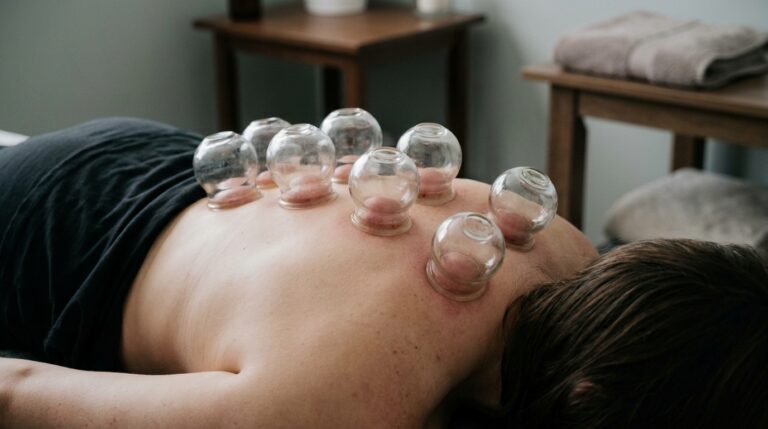
Electroacupuncture for carpal tunnel may be recommended when symptoms are more persistent, when numbness and tingling are frequent, or when progress has plateaued. A gentle electrical stimulation is applied through specific acupuncture needles to provide a steady input to the nervous system and local tissues. Not every patient needs it, and it is selected based on presentation and tolerance.
What you may feel during treatment
- A brief pinch on insertion
- A dull ache, heaviness, warmth, or tingling (often described as a therapeutic sensation)
- With electroacupuncture, a light tapping or pulsing sensation that should feel comfortable, not sharp
Recommended frequency and timeline (typical course)
- Weeks 1 to 2: 1 to 2 visits per week, focusing on calming night symptoms and reducing intensity
- Weeks 3 to 6: weekly care with progression toward functional improvements (less waking, less tingling during work, improved grip endurance)
- Weeks 6 to 8: reassessment, tapering when stable, or adjusting plan if improvement is incomplete
Reassessment milestones (what progress often looks like)
- Fewer nighttime wake-ups and less need to shake out the hand
- Reduced frequency and duration of tingling episodes
- Better tolerance for typing, gripping, or tool use
- Improved morning hand stiffness and coordination
When we refer out
If symptoms are not improving as expected, if red flags appear, or if signs suggest advanced compression, we may recommend coordination with your physician for further workup (such as EMG) or discussion of other interventions.
Acupuncture vs Other Conservative Treatments (Splints, Ergonomics, Injections, PT/OT)
Carpal tunnel care is often most effective when treatments are matched to severity and combined thoughtfully. Acupuncture is not necessarily a replacement for other conservative care. It is often used as part of a broader plan.
| Approach | What it aims to do | How acupuncture can fit |
|---|---|---|
| Night splints | Keep the wrist neutral to reduce nighttime nerve compression | Acupuncture may help reduce symptoms while splinting addresses mechanics during sleep |
| Activity modification and ergonomics | Reduce repetitive strain and extreme wrist angles | Acupuncture can help calm irritated tissues while you change the load that triggered symptoms |
| NSAIDs and other medicine | Decrease pain and inflammation for short-term relief in some cases | Acupuncture may reduce reliance on frequent medicine use for symptom control (when appropriate) |
| Steroid injections | Reduce inflammation quickly, often short-term | Acupuncture may be considered before injections in mild cases, or alongside other care to support function |
| Physical or occupational therapy | Improve strength, tendon glide, posture, and nerve mobility, plus ergonomic training | Acupuncture is commonly combined with therapy to improve comfort and help you tolerate corrective exercises |
If you are already doing therapy or wearing a splint, tell us at your first visit. We can align the acupuncture plan with what you are already doing instead of duplicating efforts.
What to Expect After Treatment (Soreness, Flare-ups, Home Care)
Most people feel relaxed after treatment. It is also normal to notice temporary changes as your nervous system and tissues respond.
Normal responses
- Mild soreness or heaviness in the forearm or wrist for 12 to 48 hours
- A short-lived symptom flare, followed by improvement
- Improved sleep or decreased night waking that may build over several visits
Aftercare tips (simple and practical)
- Wear your night splint if recommended by your provider, especially if nighttime symptoms are present.
- Avoid intense gripping for the rest of the day after your first few sessions if it tends to flare symptoms.
- Use neutral wrist positions when typing or using tools. Small angle changes can matter.
- Gentle heat or contrast may help some people, while others prefer ice. Use what reduces your symptoms.
- Track changes in night waking, tingling frequency, and grip endurance so we can adjust the plan.
What Evidence Suggests (and Limits of Evidence)
What evidence suggests: Research summaries and clinical studies suggest acupuncture may help reduce symptom severity and improve function in some people with mild-to-moderate carpal tunnel syndrome. Proposed effects include local tissue modulation, influence on nerve sensitivity and conduction, and changes in how the nervous system processes sensation. Electroacupuncture is commonly included in protocols for more persistent symptoms.
Limits of evidence: The quality of research varies, acupuncture techniques and treatment frequency differ across studies, and results are not uniform for every patient. Severe CTS with constant numbness or muscle wasting may require medical interventions beyond conservative care. The safest approach is individualized treatment with appropriate referral when symptoms suggest advanced nerve compression.
FAQs
How many sessions of acupuncture for carpal tunnel syndrome do I need?
Many patients start with a structured plan of 8 to 12 visits over about 6 to 8 weeks, with reassessment along the way. Mild cases may need fewer visits, while more persistent symptoms may require a longer course or periodic maintenance.
How quickly can acupuncture help wrist numbness and tingling?
Some people notice changes within the first few sessions, especially with nighttime symptoms. For others, improvement is gradual over several weeks, particularly when symptoms have been present for months.
Does carpal tunnel acupuncture hurt?
Most patients describe acupuncture as minimally uncomfortable. You may feel a brief pinch and then a dull, achy, warm, or tingling sensation that should remain tolerable. Electroacupuncture typically feels like a gentle pulsing.
Can acupuncture fix carpal tunnel syndrome?Acupuncture can be a helpful conservative treatment for symptom relief and functional improvement, especially in mild-to-moderate CTS. Whether symptoms fully resolve depends on severity, how long symptoms have been present, and whether contributing factors (like repetitive strain and wrist position) are addressed.
How long do results last, and what if symptoms return?
Results vary. When symptoms improve, many people maintain gains by continuing ergonomics, splinting at night when needed, and managing workload. If symptoms return, a short round of follow-up visits is sometimes used to settle a flare before it escalates.
Is electroacupuncture for carpal tunnel safe?
Electroacupuncture is generally considered safe when performed by a licensed clinician and when appropriate screening is done. It may not be recommended for certain patients or situations, so we discuss safety factors during your intake.
Should I still see a doctor if I am getting acupuncture?
Yes, especially if symptoms are severe, constant, or worsening. Acupuncture can be part of a collaborative plan alongside medical evaluation, medicine when appropriate, and therapy.
Serving East Setauket, Sayville, Smithtown, and Westhampton (Local Care & Scheduling)
If you are searching for carpal tunnel acupuncture near me, our team at Thrive Health Acupuncture provides care for patients across East Setauket, Sayville, Smithtown, and Westhampton. We also commonly see patients who commute and want a conservative plan that fits a work schedule.
Carpal tunnel treatment East Setauket
For patients seeking carpal tunnel treatment East Setauket, we focus on reducing night symptoms, improving work tolerance, and coordinating with other providers when testing or medical management is needed.
Carpal tunnel acupuncture Smithtown
If you are looking for carpal tunnel acupuncture Smithtown, expect a clear plan with measurable milestones, plus practical ergonomic and splinting guidance to support results between visits.
Carpal tunnel acupuncture Westhampton
Patients seeking carpal tunnel acupuncture Westhampton often come in after trying home remedies or splints with incomplete relief. We integrate acupuncture, and when appropriate electroacupuncture, with a stepwise plan and reassessment points.
What to bring to your first appointment
- A list of current medications and supplements (including any pain medicine)
- Any prior test results you have (EMG, imaging, physician notes), if available
- Your wrist splint (if you use one), so we can check fit and positioning
- Notes on when symptoms are worst (night, driving, typing, gripping)
Scheduling tip: When booking, mention whether your symptoms are mostly nighttime waking, daytime tingling during work, or weakness and dropping objects. This helps us plan the most appropriate evaluation and whether to consider electroacupuncture early.
Scheduling tip: When booking, mention whether your symptoms are mostly nighttime waking, daytime tingling during work, or weakness and dropping objects. This helps us plan the most appropriate evaluation and whether to consider electroacupuncture early.