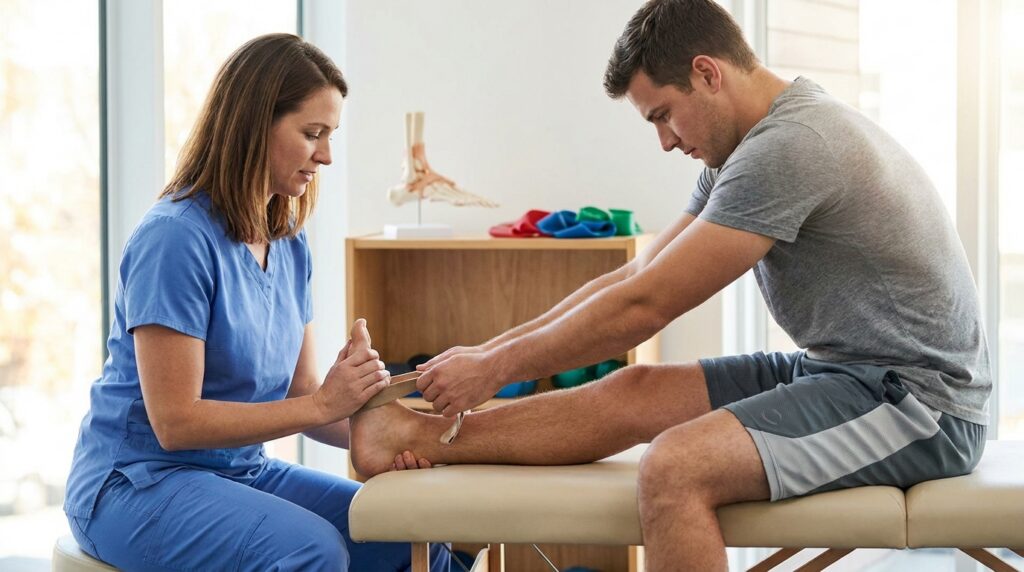
Heel pain that hits hardest with your first steps in the morning, or after sitting for a while, can quickly disrupt exercise, work, and everyday life. If you’re searching for Plantar Fasciitis: Stretches and Physical Therapy for Lasting Heel Relief, you likely want two things: practical ways to calm the pain now and a plan that prevents it from coming back.
This guide covers what plantar fasciitis is, why it lingers, which plantar fasciitis stretches are most helpful, and how physical therapy plantar fasciitis care can address the root causes (not just symptoms). You’ll also learn what to avoid, how to adjust activity safely, and when it’s time to get evaluated.
What Is Plantar Fasciitis (and Why Does It Hurt So Much)?
The plantar fascia is a thick band of connective tissue that runs along the bottom of your foot from the heel toward the toes. It helps support your arch and plays a major role in how your foot absorbs and transfers force when you walk or run.
Plantar fasciitis is commonly used to describe pain near the heel where the plantar fascia is stressed, often from repeated overload, reduced tissue tolerance, or mechanical factors that increase strain. The classic pattern is sharp or aching heel pain with the first steps in the morning that eases as you warm up, then returns after prolonged standing or activity.
Common Signs and Symptoms
- Heel pain near the bottom/inside of the heel
- Pain with first steps after sleep or sitting
- Increased pain after long periods of standing, walking, or running
- Tenderness when pressing the heel or along the plantar fascia
- Tightness in the calf or Achilles region
Why It Often Becomes Persistent
Plantar fascia pain can linger when the tissue is repeatedly stressed faster than it can recover. Common contributors include sudden increases in walking/running, prolonged standing, limited ankle mobility, calf tightness, weakness in the foot/ankle/hip, and footwear that doesn’t match your needs.
Lasting relief typically comes from a combination of symptom management, progressive loading (strengthening), and addressing movement or training factors that keep re-irritating the tissue.
Lasting relief typically comes from a combination of symptom management, progressive loading (strengthening), and addressing movement or training factors that keep re-irritating the tissue.
What Causes Plantar Fasciitis? Key Risk Factors
Plantar fasciitis is rarely caused by one single issue. It’s often a “perfect storm” of training load, tissue capacity, and mechanics.
Load and Lifestyle Factors
- Sudden activity changes: starting a walking program, returning to running, or increasing mileage too quickly
- Prolonged standing: long shifts on hard floors
- Limited recovery: back-to-back high-load days without rest or cross-training
Mobility and Strength Factors
- Calf tightness or reduced ankle dorsiflexion (the ability to bring the knee forward over the foot)
- Weak foot intrinsic muscles and reduced arch control
- Hip and glute weakness affecting lower-limb alignment and loading
Footwear and Surface Factors
- Worn-out shoes or inadequate support for your activity level
- Frequent barefoot walking on hard surfaces during a flare
- Rapid transition to minimalist shoes without a gradual adaptation plan
Plantar Fasciitis Stretches: A Practical Routine for Pain Relief
Targeted mobility work can reduce sensitivity and improve how forces move through the foot and ankle. The best plantar fasciitis stretches typically focus on the plantar fascia itself and the calf/Achilles complex.
How often? Many people do well with gentle stretching daily, especially in the morning and after activity. Stretch should feel strong but not sharp. If pain spikes and stays raised for hours afterward, reduce intensity or volume.
1) Plantar Fascia-Specific Stretch (Seated Toe Pull)
- Sit with the affected foot crossed over the opposite knee.
- Use your hand to pull the toes back toward the shin (extension).
- With the other hand, gently massage along the band on the bottom of the foot.
- Hold 20–30 seconds, repeat 3–5 times.
Tip: This is often most helpful before your first steps in the morning.
2) Calf Stretch (Straight-Knee Gastrocnemius)
- Stand facing a wall, hands supported.
- Place the affected leg behind you, heel down, knee straight.
- Lean forward until you feel a stretch in the upper calf.
- Hold 30 seconds, repeat 2–4 times.
3) Soleus Stretch (Bent-Knee Calf Stretch)
- From the same wall position, bring the back foot slightly closer.
- Bend the back knee while keeping the heel down.
- Feel the stretch lower in the calf/Achilles region.
- Hold 30 seconds, repeat 2–4 times.
4) Towel Stretch (Great for Morning Stiffness)
- Sit with your leg straight.
- Loop a towel around the ball of the foot.
- Pull gently to bring toes toward you without forcing.
- Hold 30 seconds, repeat 3 times.
5) Rolling Massage (Use Carefully)
Rolling the bottom of the foot on a ball or a frozen water bottle can feel soothing for some people, but it can also irritate sensitive tissues if done aggressively.
- Roll lightly for 30–60 seconds once or twice daily.
- Avoid pressing hard directly on the most painful point.
- If symptoms worsen afterward, stop and switch to gentler methods.
Beyond Stretching: Why Strengthening Matters for Lasting Relief
Stretching can help, but lasting improvement often requires building the foot and lower leg’s ability to tolerate load. Think of it as improving the “shock absorber system” from the ground up.
Foot Strength Exercises (Start Simple)
1) Short Foot (Arch Control) Drill
- Stand or sit with your foot flat.
- Gently draw the ball of the foot toward the heel to “lift” the arch without curling the toes.
- Hold 5–10 seconds, repeat 8–12 times.
2) Toe Yoga (Big Toe vs. Other Toes)
- Keep the big toe down while lifting the other toes; then switch.
- Move slowly and keep the heel and forefoot grounded.
- Perform 2 sets of 10 each pattern.
3) Calf Raises (Progressive Loading)
Calf strength supports the Achilles and reduces strain through the foot during walking and running.
- Start with double-leg calf raises: 2–3 sets of 8–12.
- Progress to single-leg as tolerated.
- Move through a comfortable range; avoid “pushing through” sharp heel pain.
See a Thrive clinician
Acupuncture, dry needling and physical therapy across four Long Island offices. Same-week appointments are usually available, and you do not need a referral to start.
Physical Therapy Plantar Fasciitis Care: What to Expect
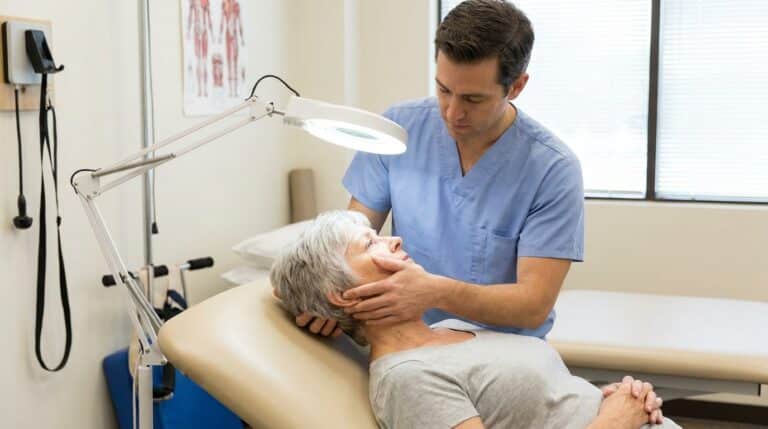
If you’ve been dealing with heel pain for more than a couple of weeks, if it’s limiting your activity, or if it keeps returning, physical therapy plantar fasciitis care can be a smart next step. A physical therapist evaluates not only your foot, but also the ankle, calf, knee, hip, gait, training habits, and footwear, then builds a plan matched to your goals.
Assessment: Finding the Real Drivers
- Foot and ankle mobility: especially ankle dorsiflexion and midfoot mechanics
- Strength and endurance: calves, foot intrinsics, and hips
- Gait and movement patterns: walking/running mechanics and single-leg control
- Load history: recent changes in steps, workouts, work demands, and recovery
- Footwear review: wear patterns, support, and appropriate cushioning
Treatment Approaches Commonly Used in PT
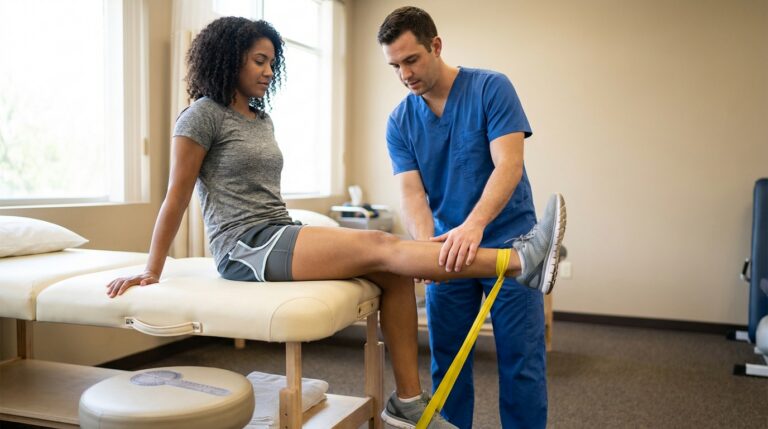
- Progressive strengthening: a structured plan that builds tolerance safely
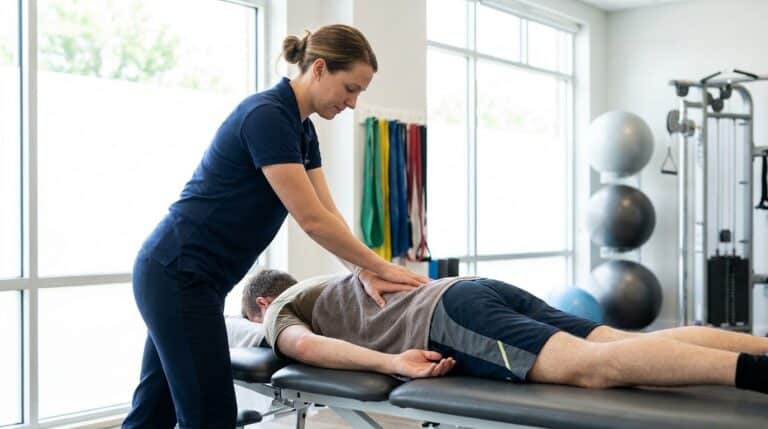
- Manual therapy: techniques to improve mobility and reduce sensitivity in the foot/ankle/calf
- Stretching and mobility programming: targeted plantar fasciitis stretches plus ankle/calf mobility
- Neuromuscular re-education: improving foot control, balance, and single-leg stability
- Activity modification: keeping you active while reducing flare triggers
- Taping or supportive strategies: short-term support to calm symptoms while strength improves
How Long Does Physical Therapy Take?
Recovery timelines vary. Many people notice meaningful improvement within weeks, but longer-standing symptoms may take longer. The key is consistent, progressive loading and avoiding repeated flare-ups from doing too much too soon. Your therapist should help you track progress with functional goals (like walking distance, standing tolerance, return to running) rather than pain alone.
Daily Habits That Speed Recovery (and Prevent Recurrence)
Adjust Activity Without Stopping Completely
Total rest often leads to deconditioning and can make return to activity harder. Instead, reduce aggravating activities temporarily and substitute with lower-impact options as tolerated.
- If running hurts, consider cycling, swimming, or strength training that doesn’t spike heel pain.
- Limit long walks on hard surfaces during a flare.
- Use a gradual return plan once symptoms calm.
Footwear: Support, Cushioning, and Timing
- Wear supportive shoes during the day, especially on hard floors.
- Avoid sudden shifts to very flat or minimalist shoes during recovery.
- Replace worn shoes if the midsole is compressed or uneven.
Morning Strategy: Reduce the “First-Step” Pain
- Do the seated plantar fascia stretch before standing.
- Perform gentle ankle pumps and calf stretches.
- Stand up slowly and take short steps at first.
Workday Strategies for Standing Jobs
- Take micro-breaks to sit or change positions.
- Alternate tasks when possible to avoid long uninterrupted standing.
- Consider a cushioned mat if you stand in one place for long periods.
What to Avoid During a Plantar Fasciitis Flare
- Overstretching into sharp pain: aggressive stretching can irritate sensitive tissue.
- High-impact “testing”: repeatedly checking if it still hurts by jumping or sprinting can delay recovery.
- Sudden big increases in steps or mileage: load spikes are a common reason symptoms return.
- Walking barefoot on hard floors: often increases strain during a flare.
- Ignoring calf strength: stretching alone may not build enough capacity for lasting change.
When to See a Professional
Consider an evaluation if:
- Pain persists longer than 2–4 weeks despite consistent self-care
- You’re limping, avoiding weight-bearing, or losing function
- Pain is worsening or spreading
- You have numbness, tingling, significant swelling, or pain after a specific injury
- You need a return-to-running or return-to-work plan you can follow confidently
Clinics like Thrive Health commonly help people with heel pain by combining education, progressive exercise, and hands-on strategies when appropriate. If you’re in East Setauket, Sayville, Smithtown, and Westhampton, a structured plan can help you move from short-term relief to long-term resilience.
Sample 2-Week Starter Plan (Adjust to Your Symptoms)
This is a general framework. If your pain is severe, long-standing, or you’re unsure what’s safe, a PT evaluation is recommended.
Week 1: Calm Symptoms + Gentle Capacity Building
- Daily: plantar fascia-specific stretch (3–5 reps), towel stretch (3 reps)
- Daily: straight-knee and bent-knee calf stretches (2–4 reps each)
- 3–4 days/week: short foot drill (8–12 reps), toe yoga (2 sets of 10)
- 2–3 days/week: double-leg calf raises (2–3 sets of 8–12)
- Activity: reduce long walks; choose low-impact cardio if needed
Week 2: Progress Strength + Reintroduce Tolerance
- Continue stretches as needed, especially morning and post-activity
- Progress calf raises: add slow tempo or move toward single-leg (as tolerated)
- Add balance: single-leg stance 20–30 seconds, 2–3 rounds per side
- Walking: gradually increase duration if symptoms remain stable
FAQ: Plantar Fasciitis Stretches and Physical Therapy
1) Are plantar fasciitis stretches enough to fix heel pain?
Plantar fasciitis stretches can reduce stiffness and improve comfort, especially first-step pain, but many people need strengthening and load management for lasting results. Combining stretching with progressive calf and foot strengthening is often more effective than stretching alone.
2) What is the best time of day to stretch for plantar fasciitis?
Morning (before your first steps) and after activity are common “high value” times. A short plantar fascia-specific stretch before standing can reduce the sharp first-step pain for many people.
3) How do I know if I’m overdoing exercises?
Mild discomfort during rehab can be normal, but a big spike in pain during exercise or pain that stays noticeably worse for the rest of the day (or the next morning) is a sign to reduce intensity, range, or volume. Progress should be gradual and repeatable.
4) What does physical therapy plantar fasciitis treatment focus on?
Physical therapy plantar fasciitis care typically focuses on identifying why the tissue is being overloaded (mobility limits, strength deficits, gait mechanics, training errors) and building a progressive plan to restore tolerance. It often includes targeted stretching, strengthening, manual therapy, and return-to-activity guidance.
5) Should I stop running or walking completely?
Not always. Many people do better with modified activity rather than complete rest. If running triggers sharp heel pain, reducing impact temporarily and using cross-training can help you maintain fitness while the tissue calms and strength improves.
6) Can footwear changes help plantar fasciitis?
Yes. Supportive, well-cushioned shoes can reduce irritation during a flare, especially if you’re on hard surfaces. Sudden transitions to very flat shoes or going barefoot frequently can worsen symptoms for some people.
7) When should I worry that it’s not plantar fasciitis?
If you have numbness or tingling, significant swelling, severe pain after a specific injury, pain that’s rapidly worsening, or pain that doesn’t improve with a reasonable trial of conservative care, get evaluated. Several conditions can mimic heel pain, and a professional assessment can clarify the cause.