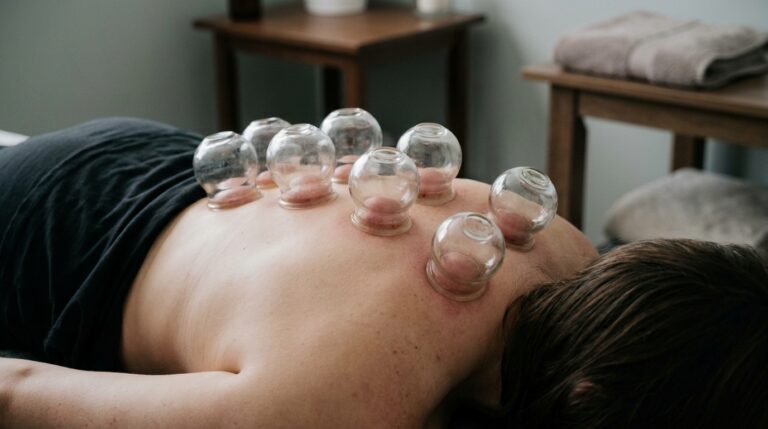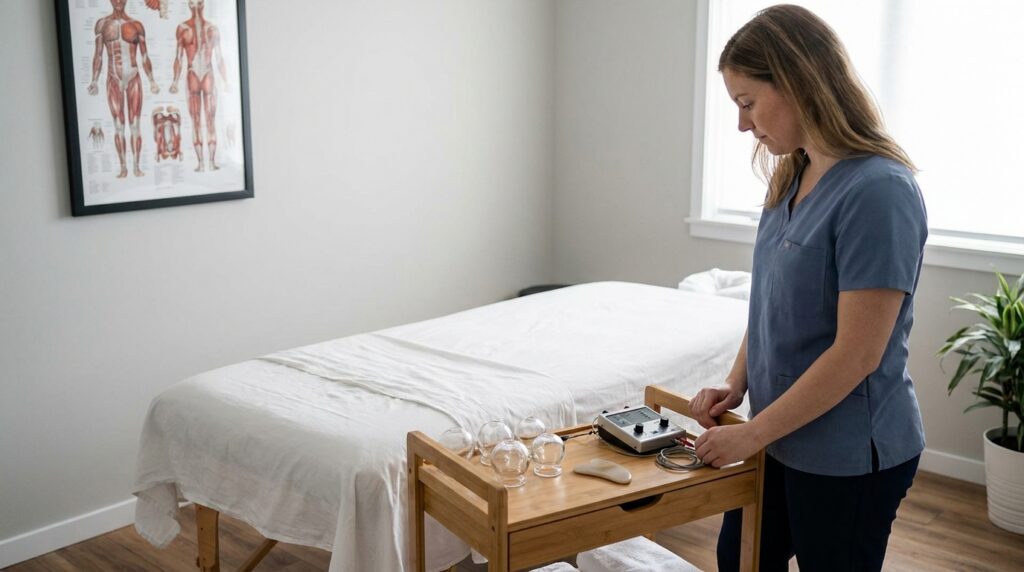
“How much does acupuncture cost?” is one of the most common questions we hear at Thrive Health Acupuncture, and it’s a smart place to start. The acupuncture cost on Long Island can vary widely based on clinic model (private vs. community vs. concierge), what’s included (exam time, treatment time, add-ons), and how your plan handles acupuncture insurance coverage Long Island patients rely on (copays, deductibles, visit limits, and whether your provider is in-network).
This 2026 guide breaks down acupuncture prices in Suffolk County with localized context for acupuncture cost Setauket NY and nearby towns, plus a practical checklist to estimate your total cost of care.
Acupuncture Cost on Long Island (2026): Quick Price Ranges
If you’re searching “acupuncture cost per session near me,” most Long Island pricing falls into a few predictable buckets. The ranges below reflect common private-practice and community models in Suffolk County (actual fees vary by provider, credentials, and visit length).
| Visit Type | Typical Range (Long Island / Suffolk County) | What’s Usually Included |
|---|---|---|
| Initial visit | $150–$275 | Thorough intake (health history + goals), exam/assessment, acupuncture treatment, time resting with needles; may include basic adjuncts (e.g., heat, light manual work) depending on clinic |
| Follow-up | $95–$185 | Brief re-assessment, acupuncture treatment, time on table; typically shorter than first visit |
| Extended / add-on visit | $140–$260 | Longer treatment time and/or add-ons such as cupping, electroacupuncture (e-stim), gua sha, or manual therapy (varies by clinic) |
| Community acupuncture | $40–$90 (often sliding-scale) | Acupuncture in a shared room, shorter intake, fewer add-ons, efficient scheduling; designed to lower cost and increase access |
Tip for comparing quotes: Two clinics may both advertise “$120 per session,” but one may include a full evaluation and 45–60 minutes on the table, while another may be a shorter appointment with add-ons billed separately.
Typical Prices in Suffolk County (Setauket, Smithtown, Sayville, Westhampton)
Below is a localized snapshot to help you compare acupuncture prices Suffolk County patients commonly see. These are not firm quotes, think of them as “typical market behavior” based on overhead, clinic density, and appointment norms.
| Area | Private Clinic (Typical) | Community Clinic (Typical) | Concierge / Premium (Typical) | Common Local Price Drivers |
|---|---|---|---|---|
| Setauket / East Setauket | Initial $160–$275; Follow-up $100–$185 | $45–$90 | $220–$400 | High demand for longer, more thorough visits; many clinics emphasize detailed intake and multi-modality care |
| Smithtown | Initial $150–$260; Follow-up $95–$175 | $40–$85 | $200–$375 | Competitive clinic density can keep follow-up pricing moderate; some practices offer packages/memberships |
| Sayville | Initial $155–$265; Follow-up $95–$180 | $45–$90 | $210–$385 | Many clinics balance time-on-table with efficient scheduling; add-ons may be offered “a la carte” |
| Westhampton | Initial $175–$300; Follow-up $110–$200 | $50–$95 (less common) | $250–$450 | Higher overhead and more premium service expectations can raise prices; longer appointment blocks are common |
If you’re specifically comparing acupuncture cost Setauket NY to other towns, the biggest differences usually come down to: appointment length norms, clinic style (high-touch vs high-volume), and whether the practice is positioned as premium/concierge.
First Visit vs Follow-Up: What You’re Paying For
Many people wonder why the first appointment costs more. In most clinics, the initial visit includes significantly more clinical work than a follow-up.
What’s typically included in a first visit
- Detailed intake: current concerns, medical history, medications/supplements, sleep, digestion, stress, activity, prior treatments
- Assessment: may include range-of-motion testing, palpation, orthopedic screening, or other exam components based on your goals
- Treatment planning: frequency recommendations and what to expect over the first few weeks
- Acupuncture treatment: needle placement plus time resting (often the longest portion)
- Home guidance: simple self-care suggestions (varies by practitioner)
What’s typically included in a follow-up
- Brief check-in: what changed since last visit, symptom tracking, and plan adjustments
- Acupuncture treatment: often similar time on the table, but less intake time
- Targeted add-ons (if needed): sometimes billed separately depending on clinic
Why this matters for cost: If a clinic advertises a low initial rate, confirm whether the intake is abbreviated, whether the treatment time is shorter, or whether the evaluation is billed separately.
What Makes Acupuncture More or Less Expensive?
When patients compare how much does acupuncture cost in New York, these factors explain most price differences.
- Provider credentials and scope: In New York, a Licensed Acupuncturist (L.Ac.) is a state-licensed clinician. Many also hold NCCAOM board certification. More training and specialization can affect pricing.
- Visit length and structure: A 30–40 minute appointment is often priced differently than a 60–90 minute visit with a full assessment.
- Clinic model:
- Private: one-on-one care with more customization
- Community acupuncture: lower-cost care in a shared setting
- Concierge: longer visits, premium scheduling, and often more add-ons included
- Add-on services: cupping, electroacupuncture (e-stim), gua sha, infrared heat, or manual therapy may increase the per-visit total.
- Insurance billing overhead: practices that bill insurance may price differently than cash-only clinics due to administrative costs and reimbursement structures.
- Private: one-on-one care with more customization
- Community acupuncture: lower-cost care in a shared setting
- Concierge: longer visits, premium scheduling, and often more add-ons included
Quick definitions (so you can compare apples to apples)
- Community acupuncture: acupuncture delivered in a shared treatment room, usually with shorter intakes and lower fees (often sliding-scale). Insurance handling: we accept most major plans and bill your insurer for you. You pay a co-insurance amount at the visit, and you can confirm your benefits on our insurance verification page.
- Dry needling: a subset of acupuncture that targets trigger points and tight bands of muscle. Under New York State law, only licensed acupuncturists may perform dry needling, so it is delivered by an L.Ac. as part of acupuncture care.
See a Thrive clinician
Acupuncture, dry needling and physical therapy across four Long Island offices. Same-week appointments are usually available, and you do not need a referral to start.
Community Acupuncture vs Private Clinics: Cost and Tradeoffs
Searching community acupuncture Long Island cost is a great idea if budget is your main constraint or if you expect a higher visit frequency.
Community acupuncture: when it’s cost-effective
- Best for: straightforward goals, maintenance care, and patients who want lower per-visit costs
- Typical experience: shorter intake, shared room, fewer hands-on add-ons, efficient scheduling
- Tradeoffs: less privacy, less time for extensive discussion, and fewer bundled modalities
Private clinic: when it’s cost-effective
- Best for: complex cases, multiple overlapping concerns, or when you want a longer assessment and more individualized add-ons
- Typical experience: more time for evaluation, plan customization, and integrated techniques
- Tradeoffs: higher per-visit cost
Packages, memberships, and sliding-scale pricing (how they work)
- Packages: you pre-purchase a set number of visits (e.g., 5 or 10) for a lower per-session rate. Pros: reduces per-visit cost. Cons: less flexible if your schedule changes.
- Memberships: a monthly fee that includes a set number of visits or discounted rates. Pros: predictable monthly spend. Cons: best value only if you use the visits.
- Sliding-scale: price varies within a posted range based on what you can pay (common in community models). Pros: accessibility. Cons: may have fewer appointment types and add-ons.
Cost-effectiveness rule of thumb: If you plan to come weekly for a period of time, packages or community acupuncture often lower your average cost. If you expect sporadic visits, pay-as-you-go may be better.
Insurance, Medicare, HSA/FSA: How Payment Usually Works in NY
Acupuncture insurance coverage on Long Island varies by employer plan and carrier. “Covered” does not always mean “free.” In practice, your out-of-pocket cost often depends on:
- Deductible: the amount you pay before benefits kick in (common with PPO plans)
- Copay: a fixed amount per visit (e.g., $20–$60)
- Coinsurance: a percentage you pay after the deductible (e.g., 10%–40%)
- Visit limits: plans may cap acupuncture visits per year or per condition
- Referral or prior authorization: some plans require approval before they pay Network status: we accept most major plans and handle the billing, so in most cases you pay only a co-insurance amount
Medicare (general overview)
Medicare coverage rules can be condition-specific and may require documentation and medical necessity and is typically not covered. If you have Medicare (or a Medicare Advantage plan), confirm eligibility, diagnosis requirements, and visit limits directly with your plan before starting care.
HSA/FSA
Acupuncture is often eligible for HSA/FSA payment when provided by a licensed clinician and billed as a medical service. Keep your visit receipts in case your plan administrator requests documentation.
How to confirm your benefits (step-by-step checklist)
- Ask if acupuncture is covered under your specific plan and whether coverage is diagnosis-dependent. Confirm your benefits before you start. We accept most major plans and bill them directly, and you can check yours on our insurance verification page.
- Ask about your deductible: how much remains this year, and does acupuncture apply to it?
- Clarify your cost share: copay vs coinsurance, and whether it changes after the deductible.
- Ask about visit limits: annual caps, per-condition caps, or medical-necessity reviews after a certain number of visits.
- Ask if prior authorization or a referral is required (especially for HMO-style plans).
- Ask which billing codes matter:
- CPT codes commonly used for acupuncture time units: 97810, 97811, 97813, 97814
- Ask if evaluation/management or exam components are billed separately in your plan’s rules (your clinic can tell you what they typically bill)
- Ask who files the claim: some practices, including ours, verify your benefits up front and submit the claim for you so you only pay your co-insurance. Others hand you the paperwork. It is worth asking before you book.
- CPT codes commonly used for acupuncture time units: 97810, 97811, 97813, 97814
- Ask if evaluation/management or exam components are billed separately in your plan’s rules (your clinic can tell you what they typically bill)
Practical note: Insurance representatives often give general answers. Ask them to read benefits directly from your plan for “acupuncture” and confirm your responsibility after deductible and any visit caps.
Practical note: Insurance representatives often give general answers. Ask them to read benefits directly from your plan for “acupuncture” and confirm your responsibility after deductible and any visit caps.
How to Estimate Your Total Cost (Frequency, Number of Visits, Add-Ons)
The most useful way to budget isn’t just “price per session,” but total cost of care. Acupuncture is commonly delivered as a short series of visits, then tapered based on response and goals. Your clinician should avoid promising results, but many patients are given a frequency plan to start.
Typical frequency patterns (ranges, not promises)
- Getting started: often 1–2 visits per week for a few weeks for more active goals
- Progress phase: commonly weekly or every other week as symptoms stabilize
- Maintenance: some patients choose monthly or “as needed” visits
Common budgeting examples (using typical Suffolk County ranges)
- Weekly follow-ups: 4 visits/month at $95–$185 each = $380–$740/month (plus any add-ons)
- Every other week: 2 visits/month = $190–$370/month
- Community acupuncture weekly: 4 visits/month at $40–$90 each = $160–$360/month
Add-ons that can change the total
Some clinics bundle add-ons into the visit fee, while others price them separately. Ask in advance about:
- Cupping (often an added fee or part of an extended visit)
- Electroacupuncture / e-stim (may be included or billed as an add-on)
- Gua sha or additional manual therapy time
- Herbal formulas or supplements (if offered; typically separate from treatment fees)
Budgeting tip: When comparing “acupuncture cost per session near me,” ask each clinic for an estimated month-one plan (frequency + whether add-ons are expected) so you can compare realistic totals rather than a single-visit price.
Cost FAQs (Coverage, Tips, Packages, Cupping/E-Stim, Cancellations)
Is acupuncture covered by insurance in NY?
Sometimes. Coverage depends on your plan and its diagnosis rules, and we verify your benefits for you before your first visit. Even when covered, you may still pay a deductible, copay, or coinsurance. We accept most major plans and handle the billing for you, so you pay a co-insurance amount at the visit. You can confirm your benefits on our insurance verification page.
Why is the first visit more expensive than follow-ups?
The initial appointment typically includes a longer intake, assessment, and treatment planning in addition to the acupuncture session itself. Follow-ups usually require less history-taking and focus more on treatment and adjustments.
Do I tip an acupuncturist?
Tipping is not generally expected in medical-style acupuncture clinics. If the setting is spa-like and your appointment is framed as a wellness service, tipping policies may differ. When in doubt, ask the front desk about clinic norms.
How much do add-ons like cupping or e-stim cost?
It varies. Some clinics include these services in an extended visit fee; others charge an add-on amount. The best approach is to ask for a written fee list or a clear explanation of what’s included in your quoted price.
Are packages or memberships worth it?
They can be cost-effective if you expect to attend consistently (for example, weekly for a period of time). If your schedule is unpredictable or you’re unsure about frequency, pay-per-visit may be safer until you know your plan.
How many sessions will I need?
There’s no universal number. Many clinicians recommend starting with a short series of visits and reassessing based on progress and goals. Ask your provider for a range-based plan and what milestones they use to adjust frequency.
Are there cancellation or no-show fees?
Often, yes, because the appointment time is reserved for you. Policies vary by clinic (commonly requiring 24–48 hours notice). Ask about cancellation terms before booking so you can factor them into your overall cost.