Motion sickness can quickly turn an exciting trip into an uncomfortable, uneasy experience. Understanding effective ways to prevent and manage it, such as acupuncture, herbal options, and practical travel habits, can help you feel steadier on the road, in the air, or on the water. Below you’ll find an overview of why motion sickness happens, what it typically feels like, and travel-friendly strategies you can use before and during your path so you can focus on the trip instead of the symptoms.
Understanding motion sickness and why it affects travelers
Motion sickness occurs when the brain receives mixed messages from the inner ear (balance system), the eyes, and the rest of the body. This “sensory mismatch” can lead to nausea, dizziness, sweating, and lightheadedness. It may happen in cars, planes, boats, trains, and even on certain rides or simulators. For some people, symptoms can become disruptive enough that they start avoiding specific types of travel. Learning the underlying pattern makes it easier to reduce symptoms and travel with more confidence.
Clinicians commonly describe motion sickness as a predictable response to conflicting sensory input, with a set of symptoms that tends to recur in many travelers.
Motion Sickness: Causes, Symptoms, and Prevention
Motion sickness has long been associated with travel by ship and other vehicles. It often appears when movement is unusual or when visual, vestibular (inner ear), and motor signals fail to align. Different environments can produce different forms (such as car sickness, seasickness, or air sickness). Most people fall somewhere between highly susceptible and highly resistant. Frequently reported symptoms include nausea, vomiting, weakness, and cold sweating, and some individuals also experience pallor, headache, dizziness, increased salivation, drowsiness, belching, and rapid breathing.
Motion Sickness Manifestations and Prevention, GP Kumar, 2020
Motion Sickness: Causes, Symptoms, and Prevention
Motion sickness has long been associated with travel by ship and other vehicles. It often appears when movement is unusual or when visual, vestibular (inner ear), and motor signals fail to align. Different environments can produce different forms (such as car sickness, seasickness, or air sickness). Most people fall somewhere between highly susceptible and highly resistant. Frequently reported symptoms include nausea, vomiting, weakness, and cold sweating, and some individuals also experience pallor, headache, dizziness, increased salivation, drowsiness, belching, and rapid breathing.
Motion Sickness Manifestations and Prevention, GP Kumar, 2020
Key causes and the most common symptoms
In most cases, motion sickness is triggered by conflicting information reaching the brain from the eyes, inner ear, and body. A classic example is reading in a moving car: your eyes track a still page while your inner ear detects motion. That disagreement can set off nausea, vomiting, dizziness, cold sweats, and sometimes headaches. Stress, worry, fatigue, strong odors, and certain motion patterns can intensify symptoms. Recognizing your personal triggers early can make it easier to plan ahead and stay comfortable.
How motion sickness can affect travel and overall well-being
Motion sickness doesn’t only create physical discomfort. It can also shape travel decisions and reduce enjoyment. People may skip outings, feel more anxious about transportation, or experience a general drop in well-being during a trip. When prevention and symptom-control strategies are in place, travel often feels more manageable and less stressful, supporting both comfort and peace of mind.
How acupuncture may help ease motion sickness symptoms
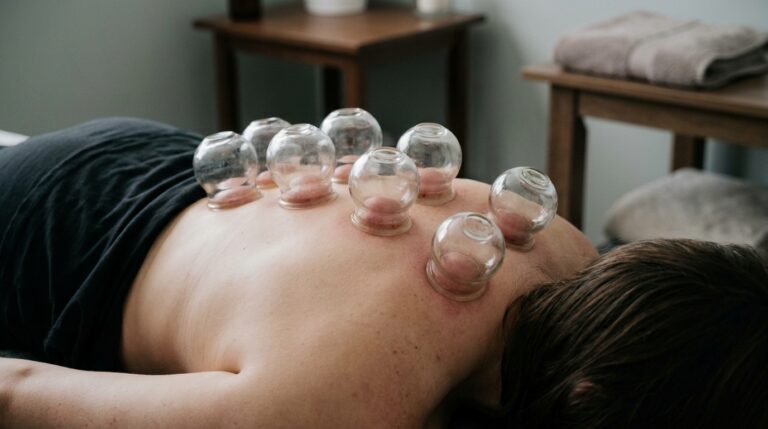
Acupuncture is a non-drug approach many travelers use for nausea, dizziness, and related discomfort. Very thin needles are placed at specific points to influence nerve signaling, circulation, and the body’s regulatory systems. In both research and clinical practice, points on the wrist, commonly referred to as P6, are frequently used for nausea and vomiting. Some people notice relief during an episode, while others find that a series of treatments improves how their body handles motion over time.
| Acupuncture Point | How it may work | Potential benefit |
|---|---|---|
| P6 (Neiguan) | May influence nausea pathways and vagal activity | Helps reduce nausea and vomiting |
| ST36 (Zusanli) | Often used to support digestive function | Promotes overall gastrointestinal comfort |
| PC6 (Neiguan) | Commonly selected to support balance and calm | May ease stress that can worsen nausea |
Because acupuncture is nonpharmaceutical and can be matched to individual patterns, it can be a useful option for travelers who prefer natural care or want to avoid medication-related side effects.
Effective acupressure points for nausea, including P6
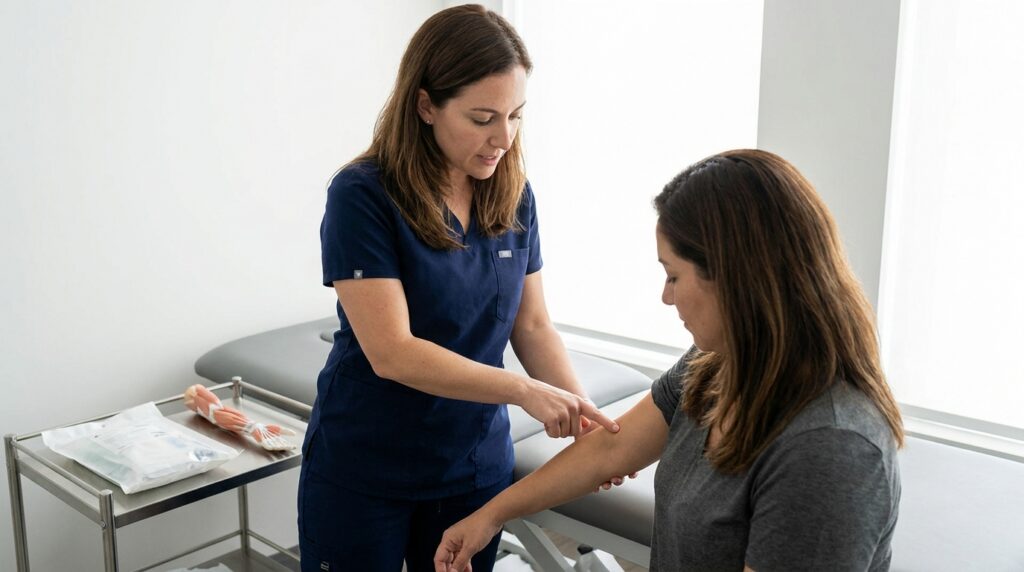
Acupressure uses firm, targeted pressure instead of needles and can be especially convenient during travel. The best-known point for motion-related nausea is P6 on the inner wrist, which can be stimulated using your fingers or acupressure bands. ST36 is often used to support digestion, and PC6 is commonly chosen when stress or anxiety amplifies nausea. Because these points are accessible, acupressure can be a practical, drug-free tool when symptoms begin.
- P6 (Neiguan): Roughly three finger-widths below the wrist crease on the inner forearm; frequently targeted by wristbands for nausea support.
- ST36 (Zusanli): About four finger-widths below the kneecap; often used to support digestion and stomach comfort.
- PC6 (Neiguan): Commonly described around two finger-widths above the wrist crease; may help when tension or worry contributes to symptoms.
These techniques can be used discreetly during trips and may reduce nausea without relying on medication.
Advantages of individualized acupuncture care at Thrive Health Acupuncture
At Thrive Health Acupuncture, treatments are adapted to your symptoms, health history, and travel triggers. An individualized plan may help support circulation, reduce stress, and improve overall regulation, factors that can influence how strongly motion affects you. By focusing on your specific pattern rather than a one-size-fits-all approach, individualized care can be more consistent and longer-lasting for many people.
The clinical approach blends traditional acupuncture principles with modern assessment to support comfort, recovery, and travel readiness.
See a Thrive clinician
Acupuncture, dry needling and physical therapy across four Long Island offices. Same-week appointments are usually available, and you do not need a referral to start.
Natural and herbal options that may prevent or relieve motion sickness
Many travelers prefer natural remedies that are easy to pack and simple to use. Ginger and peppermint are two of the most commonly used options: ginger is widely used for nausea, while peppermint is often chosen for stomach comfort. In addition, calming practices such as slow, deep breathing can settle the nervous system and reduce anxiety-driven symptoms.
- Ginger: Commonly used for nausea; available as tea, capsules, chews, or hard candies.
- Peppermint: Often used to soothe the stomach; may be taken as tea or used as a gently diluted inhalant for short-term comfort.
- Deep breathing: Helps downshift the stress response, which can reduce the intensity of nausea for some travelers.
Keeping a few gentle options on hand provides alternatives beyond standard medications and can help you respond quickly when symptoms start.
How ginger may help with nausea during travel
Ginger contains naturally occurring compounds (including gingerol and shogaol) that are associated with digestive support and anti-inflammatory effects. Both traditional use and clinical research have linked ginger with reduced nausea in a range of settings, including motion-related discomfort. Because it’s portable and comes in many forms, fresh slices, tea bags, candies, or capsules, it’s a convenient choice for travel.
For some people, ginger helps lessen dependence on pharmaceuticals while still providing meaningful symptom control.
Other non-drug remedies and how well they work
In addition to ginger, several nonpharmaceutical strategies may help reduce motion sickness. Acupressure (by hand or with bands) is often used for quick, on-the-go support. Massage techniques can help loosen tension and promote relaxation, which may reduce symptom intensity for some individuals. A qualified clinician can also help you choose options that match your health profile and travel plans.
- Acupressure: Targeted pressure at key points may ease nausea and discomfort without medication.
- Medical massage: Can reduce muscle tension and stress, helping overall comfort during travel.
- Guidance from a healthcare professional: Helps identify safe, individualized approaches, especially if symptoms are frequent or severe.
Used together as part of a travel routine, these options can improve comfort and lower the chances of severe episodes.
Prevention strategies travelers can use to reduce motion sickness
Prevention often makes the biggest difference. Using acupressure (or wristbands) before symptoms begin, drinking enough water, and avoiding heavy meals right before travel can reduce the likelihood of nausea. Small adjustments in timing, food choices, and tools can significantly improve motion tolerance.
- Acupressure before departure: Using points like P6 early may help reduce the chance that nausea develops.
- Wristbands: Provide steady pressure at P6 and are easy to wear during long rides.
- Simple behavior shifts: Hydrate, rest when possible, and limit greasy or heavy foods before and during travel.
These practical steps can help keep travel plans on track and reduce interruptions from symptoms.
How acupressure wristbands may reduce nausea
Acupressure wristbands are designed to apply constant pressure to the P6 point on the inner wrist. This steady stimulation may influence nerve pathways involved in nausea regulation. Because they’re noninvasive, portable, and provide ongoing pressure without effort, wristbands are a common first choice for travelers seeking drug-free support.
Their simplicity and discreet design make them easy to use on planes, boats, and in cars.
Lifestyle and behavior tips that support prevention
Daily habits can meaningfully influence how you feel during travel. Drinking enough fluids, eating lighter meals, and using stress-management practices (like paced breathing or brief mindfulness) can reduce both the likelihood and the severity of symptoms. These strategies are especially useful when combined with acupressure, acupuncture, or herbal supports.
- Hydration: Supports overall regulation and may reduce symptom intensity.
- Lighter meals: Low-fat, smaller portions are often easier to tolerate while in motion.
- Stress reduction: Breathing exercises, meditation, or short mindfulness breaks can lower anxiety and improve comfort.
With consistent use, these habits can make trips feel smoother and more enjoyable.
What happens during an initial acupuncture visit for motion sickness
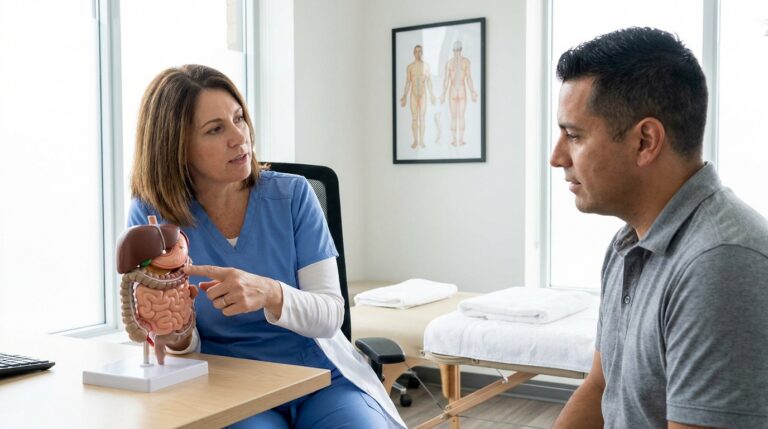
An initial visit typically includes a thorough review of your health history, travel patterns, and the specific way motion sickness shows up for you. That information is used to outline a care plan that may include acupuncture sessions, acupressure education for use during travel, and discussion of herbal or lifestyle supports when appropriate. Clear communication about goals and triggers helps ensure the plan is practical and matched to your needs.
This individualized approach can improve long-term management and help you feel more prepared for future trips.
How to get ready for acupuncture sessions
Preparing for acupuncture is usually straightforward. Wear comfortable clothing that allows access to areas commonly used for treatment (such as arms and lower legs). It can also help to note when symptoms occur, what makes them worse, and what you’ve already tried. Bringing relevant medical information (including medications and supplements) can support safer, more individualized care.
These small steps help sessions run smoothly and can improve the usefulness of your treatment plan.
Additional acupressure methods and potential benefits
Along with commonly used points such as P6, ST36, and PC6, other points are sometimes used for related issues like headache, dizziness, mental fog, or fatigue. These can be stimulated manually or with small tools during travel to support comfort.
| Acupressure Point | Location | Potential benefit |
|---|---|---|
| LI4 (Hegu) | Between the thumb and index finger | Often used for headache relief and stress support |
| GV20 (Baihui) | Top center of the head | Commonly used for dizziness and mental clarity |
| SP6 (Sanyinjiao) | About four finger-widths above the inner ankle bone | Often used to support relaxation and reduce fatigue |
Frequently Asked Questions
What is motion sickness?
Motion sickness is a condition caused by conflicting signals to the brain from the inner ear, eyes, and body. It commonly produces nausea, dizziness, and sweating during travel.
How can acupuncture help with motion sickness?
Acupuncture may reduce symptoms by stimulating specific points, often including P6 on the wrist, to support nausea control, circulation, and overall regulation.
Are there natural remedies for motion sickness?
Yes. Ginger and peppermint are commonly used for nausea and stomach comfort, and deep breathing can help calm the nervous system when symptoms are triggered.
What preventive steps can travelers take to avoid motion sickness?
Many travelers benefit from acupressure wristbands at the P6 point, staying hydrated, eating lighter meals before travel, and using stress-management techniques to reduce symptom risk.
How do acupressure wristbands work?
They apply steady pressure to the P6 point on the inner wrist, which may influence nausea-related nerve pathways. They’re noninvasive and drug-free.
What should I expect during an acupuncture consultation for motion sickness?
A consultation typically includes a review of your health history and symptom patterns, followed by an individualized plan that may include acupuncture, acupressure guidance, and discussion of supportive herbal or lifestyle strategies.