Motion sickness, whether you’re on a boat, riding in a car, or flying, can quickly lead to dizziness, nausea, and overall discomfort. When you understand what’s behind these symptoms, it becomes easier to choose calm, practical remedies. This guide highlights evidence-informed, low-risk options, especially acupuncture, along with whole-person strategies that may help prevent symptoms and ease them when they start. You’ll find a clear definition of motion sickness, common signs and triggers, plus acupressure, herbal, and lifestyle tools to support more comfortable travel.
Understanding Motion Sickness and Its Impact on How You Feel
Motion sickness happens when your brain receives mixed messages about movement from the inner ear (balance system), your eyes, and sensory feedback from the body. When those signals don’t match, you may feel dizzy, nauseated, sweaty, or generally unwell. Beyond making travel unpleasant, these symptoms can interfere with daily routines and confidence around transportation. Recognizing the “signal mismatch” helps you choose strategies that directly reduce the pattern causing discomfort.
Common Motion Sickness Symptoms and Why They Happen
Typical symptoms include nausea, lightheadedness, cold sweats, and in some cases vomiting. Triggers can differ from person to person, but often include rapid or uneven motion, reading or screen use during travel (visual mismatch), strong smells, and stress or anticipatory anxiety. From a physiological standpoint, the brain works to reconcile inconsistent input from the vestibular system, vision, and body position, creating the disorientation associated with motion sickness. Pinpointing your most common triggers is a helpful first step toward prevention.
Why Knowing Your Pattern Helps You Choose Natural Options
When you can identify what stands out most, nausea, dizziness, anxiety, or a combination, you can select supportive approaches more effectively. If nausea is the primary issue, acupressure or acupuncture may be a good fit. If worry or tension amplifies symptoms, calming breathing techniques and gentle herbs may be more appropriate. Matching tools to your specific triggers and symptom pattern can improve the likelihood of meaningful relief and make travel feel more manageable.
How Acupuncture May Ease Motion Sickness Discomfort
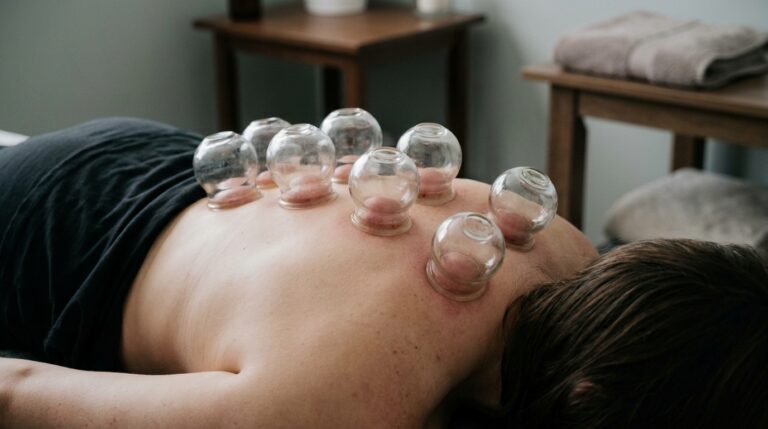
Acupuncture, a key modality within traditional Chinese medicine, uses very thin needles placed at specific points to support regulation and balance in the body. For motion sickness, treatment commonly focuses on points associated with nausea, dizziness, and nervous system calming. Many people report reduced symptom intensity with care, and acupuncture is often used alongside other low-risk approaches, such as acupressure, lifestyle adjustments, and select herbal support, to improve overall results.
How Acupuncture Works for Nausea and Dizziness Related to Motion
Acupuncture has a long history of use for digestive upset and nausea. Within traditional frameworks, it works with meridians (energy pathways) to encourage smoother function and relaxation. From a practical perspective, stimulating certain points may help reduce queasiness, ease dizziness, and calm the stress response that can worsen symptoms. Some people seek acupuncture for immediate support before travel, while others use it to build resilience over time, especially if motion sickness is frequent.
Research and Clinical Findings on Acupuncture for Motion Sickness
Studies and reviews on acupuncture and point-stimulation methods suggest potential benefits for reducing nausea and vomiting linked to motion sickness. While outcomes vary by individual, the overall body of evidence supports acupuncture and related techniques as generally well-tolerated, drug-free options that may complement standard strategies. Ongoing research continues to clarify which protocols and point combinations are most effective for motion-related nausea.
Acupressure & Acustimulation for Motion Sickness & Nausea
Acupuncture and point-stimulation techniques are commonly used as non-drug approaches to help manage nausea and motion sickness symptoms.
Efficacy of acupressure and acustimulation bands for the prevention of motion sickness, ER Muth, 2004
Acupressure & Acustimulation for Motion Sickness & Nausea
Acupuncture and point-stimulation techniques are commonly used as non-drug approaches to help manage nausea and motion sickness symptoms.
Efficacy of acupressure and acustimulation bands for the prevention of motion sickness, ER Muth, 2004
Acupressure Points and Methods That Can Help with Motion Sickness
Acupressure uses firm, sustained touch on specific points to help relieve discomfort. It’s noninvasive and can be done anywhere, making it especially useful while traveling. Points often used for motion sickness include:
- Pericardium 6 (P6): Located on the inner forearm; widely used for nausea support.
- Conception Vessel 17 (CV17): Found at the center of the chest; often used to settle anxiety and promote a sense of steadiness.
- Stomach 36 (ST36): Located below the knee; commonly used to support digestion and overall energy.
Using gentle massage or steady pressure on these points can be a quick way to reduce nausea and help the body settle.
| Acupressure Point | Location | Primary Benefit |
|---|---|---|
| Pericardium 6 (P6) | Inner forearm, about three fingerbreadths below the wrist crease | Helps reduce nausea and vomiting |
| Conception Vessel 17 (CV17) | Center of the chest | Supports calm and eases anxious tension |
| Stomach 36 (ST36) | About four fingerbreadths below the kneecap, on the outer side of the leg | Supports digestion and steady energy |
How to Find and Stimulate Acupressure Points for Nausea Relief
P6: On the inner forearm, measure roughly three fingerbreadths down from the wrist crease and locate the space between two tendons. Apply firm, comfortable pressure for 20–60 seconds while breathing slowly.
CV17: Place your fingers at the midpoint of the breastbone (center of the chest). Use gentle, steady pressure for 30–60 seconds, keeping your breath calm and even.
ST36: Find a point about four fingerbreadths below the kneecap on the outer side of the leg. Use slow circular pressure for 30–60 seconds. Pairing acupressure with relaxed breathing often improves comfort and helps the body downshift.
A Simple Acupressure Routine to Reduce Motion Sickness While Traveling
- Locate the points ahead of time: Identify P6, CV17, and ST36 before you travel so you can access them easily.
- Use steady pressure: Hold each point for about 30 seconds with firm but comfortable pressure.
- Breathe slowly: Inhale and exhale evenly while pressing each point to support relaxation.
- Repeat as needed: Reapply during travel, especially before symptoms build.
Practicing this routine in advance can make it easier to use effectively when you’re on the move.
See a Thrive clinician
Acupuncture, dry needling and physical therapy across four Long Island offices. Same-week appointments are usually available, and you do not need a referral to start.
Herbal Options That May Reduce Motion Sickness Nausea
Several herbs are traditionally used to soothe the stomach and lessen nausea. Common, accessible choices include:
- Ginger: One of the most studied natural options for nausea; available as tea, chews, or capsules.
- Peppermint: Often used to calm digestion; can be taken as tea or used aromatically.
- Chamomile: Known for its gentle, calming qualities and frequently used as a tea before travel.
Used thoughtfully and in appropriate amounts, these herbs may provide supportive, natural relief.
| Herb | Key Compounds | Potential Benefits for Motion Sickness | Common Usage Range |
|---|---|---|---|
| Ginger | Gingerols, shogaols | Supports gastric motility and may reduce nausea and vomiting | About 1–2 grams/day or 1–2 cups of tea |
| Peppermint | Menthol | May relax the GI tract and ease queasiness | 1–2 cups of tea or small amounts of diluted oil |
| Chamomile | Apigenin and other flavonoids | May calm the digestive system and reduce nausea | 1–2 cups of tea, often before travel |
Clinical experience and ongoing research continue to evaluate how herbal and other natural approaches may help reduce nausea and vomiting across different causes, including motion-related triggers.
Medicinal Herbs & Natural Methods for Nausea & Vomiting Relief
Nausea and vomiting can occur for many reasons, including motion sensitivity. Natural strategies, such as specific herbs and supportive techniques, are sometimes used as adjuncts, particularly when symptoms are persistent or difficult to manage.
Natural treatment for nausea and vomiting: A short message, 2025
Medicinal Herbs & Natural Methods for Nausea & Vomiting Relief
Nausea and vomiting can occur for many reasons, including motion sensitivity. Natural strategies, such as specific herbs and supportive techniques, are sometimes used as adjuncts, particularly when symptoms are persistent or difficult to manage.
Natural treatment for nausea and vomiting: A short message, 2025
How Ginger and Peppermint Support Natural Nausea Relief
Ginger contains gingerols and shogaols, compounds associated with digestive support and anti-nausea effects. It may help by encouraging normal stomach movement and settling irritation. Peppermint’s menthol is known for relaxing smooth muscle in the digestive tract and may reduce queasy sensations. Both are widely available and commonly used for motion-related nausea.
Practical Guidelines for Using Herbs for Motion Sickness
- Ginger: About 1–2 grams of fresh or dried root daily, or 1–2 cups of ginger tea.
- Peppermint: 1–2 cups of peppermint tea daily; if using oil, use only properly diluted amounts.
- Chamomile: 1–2 cups of chamomile tea, often helpful before travel.
If you are pregnant, managing a medical condition, or taking prescription medications, check with a qualified healthcare professional before using herbal remedies.
Daily Habits and Prevention Strategies for Natural Motion Sickness Support
Small adjustments can reduce the likelihood of symptoms and improve comfort during travel. Consider these practical habits:
- Hydrate consistently: Drink water before and during your trip to avoid dehydration, which can worsen nausea.
- Keep meals light: Choose smaller, easy-to-digest foods before traveling and avoid heavy or greasy meals.
- Sit where movement feels milder: In cars, the front passenger seat often helps; on planes, seats near the wings tend to feel steadier.
Pairing these habits with acupressure or herbal support may improve overall results.
Practical Travel Habits to Lessen Motion Sickness
- Look toward the horizon: Focusing on a stable point can help your brain align visual and balance signals.
- Take breaks when possible: On longer drives, stopping for fresh air and gentle movement can help reset your system.
- Consider acupressure wrist bands: Bands designed to apply pressure on P6 can provide steady support throughout a trip.
These straightforward strategies often reduce symptom intensity and help travel feel more tolerable.
How an Individualized Wellness Approach Can Improve Prevention
An individual plan combines strategies that match your triggers and routine, such as acupuncture or acupressure, carefully selected herbal support, relaxation and breathing practices, and realistic travel habits. Individualizing timing (for example, what to do the day before vs. during travel) can make the plan more consistent and effective, especially for people who experience motion sickness frequently.
Where to Find Acupuncture Care for Motion Sickness at Thrive Health Acupuncture
Thrive Health Acupuncture provides patient-centered care focused on natural support for motion sickness symptoms such as nausea and dizziness. Care may include acupuncture, guidance on acupressure techniques, lifestyle strategies, and discussion of appropriate herbal options. Services support individuals traveling to and from East Setauket, Sayville, Smithtown, and Westhampton.
What a Motion Sickness–Focused Acupuncture Session Typically Includes
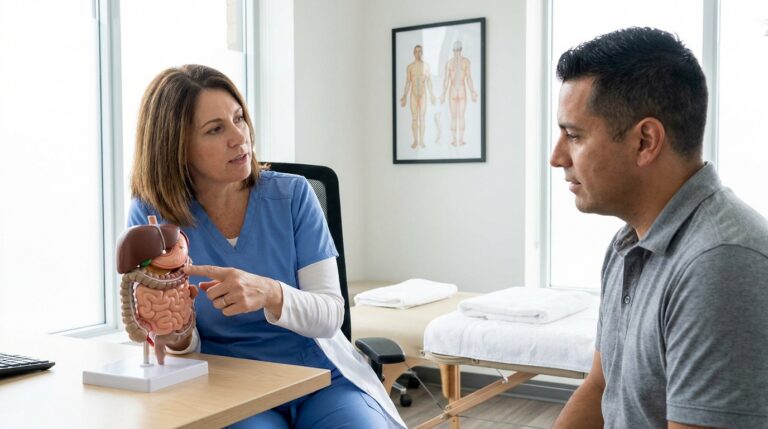
An appointment usually starts with an intake covering your symptoms, travel triggers, and relevant medical history. Your practitioner then outlines a plan and places sterile, hair-thin needles at selected points. Sensations are typically mild, and many people feel relaxed during treatment. Some notice changes quickly, while others benefit most from a short series of sessions to support more stable results over time.
Frequently Asked Questions
Is acupuncture considered safe for motion sickness?
Acupuncture is generally considered safe when provided by a licensed practitioner using sterile needles. If you are pregnant, have a bleeding disorder, or take blood-thinning medication, consult your primary care provider before starting treatment.
How quickly can acupuncture help with motion sickness symptoms?
Some people notice improvement during or soon after a session, while others need multiple sessions for more consistent relief. Response time depends on symptom severity, frequency, and individual sensitivity.
Can I do acupressure on myself during travel?
Yes. With basic instruction, many people can locate points such as P6 and apply firm, steady pressure or gentle circular massage for 20–60 seconds to help reduce nausea.
Do ginger or peppermint cause side effects?
At typical amounts, ginger and peppermint are often well tolerated, though some individuals may experience mild digestive upset or sensitivity. Speak with a qualified healthcare professional before using herbs if you have medical conditions, take medications, or are pregnant.
What lifestyle changes are most helpful for preventing motion sickness?
Commonly helpful steps include staying hydrated, eating lighter meals before travel, choosing seats with less perceived motion, looking toward the horizon, taking breaks on long trips, and using acupressure bands when needed.
Can children use acupuncture or natural remedies for motion sickness?
Children may benefit from gentle approaches such as acupressure and age-appropriate strategies, but care should be individualized. Consult a pediatrician and a licensed acupuncturist experienced in working with children before starting any therapy.