Things to Avoid Before Acupuncture
Acupuncture is a fundamental aspect of Traditional Chinese Medicine (TCM), offering a whole-person approach to health and wellness. Whether your goal is to alleviate chronic pain, reduce stress, or enhance overall well-being, knowing how to prepare for your session can influence the results.
This article looks at what should be avoided prior to acupuncture, offering valuable insights to optimize your treatment experience.
Understanding Acupuncture
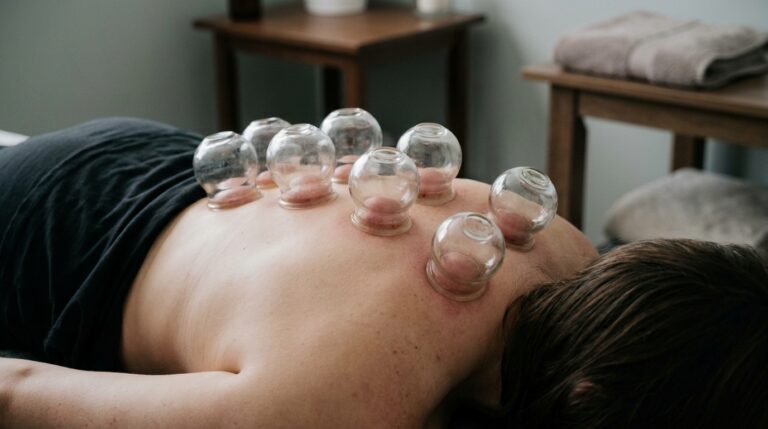
Acupuncture is a therapeutic technique that involves inserting sterile needles into specific locations on the body, known as meridians. These meridians are thought to be pathways for vital energy, or Qi.
In TCM, blockages or disruptions in Qi flow are believed to cause health problems. By targeting certain acupuncture points, practitioners aim to restore balance and enhance the body’s natural healing processes.
Acupuncture is frequently employed to manage a variety of conditions, including pain, stress, and general wellness. Although the exact mechanisms are still under study, it is thought to engage the nervous, endocrine, and immune systems.
Why Preparation Matters
Having explored the basics of acupuncture, it’s important to understand why preparation is crucial. Similar to how a gardener prepares soil for planting, preparing yourself for acupuncture is essential for achieving the best outcomes.
This practice involves stimulating specific meridian points to affect Qi flow. Both your physical and emotional states can greatly influence how your body responds to this stimulation.
Proper preparation helps create a conducive environment within your body, allowing the treatment to be more effective. This can maximize the benefits of acupuncture and enhance your experience. By preparing, you are essentially paving the way for your body’s intrinsic healing abilities to be activated and optimized.
See a Thrive clinician
Acupuncture, dry needling and physical therapy across four Long Island offices. Same-week appointments are usually available, and you do not need a referral to start.
Pre-Acupuncture Practices to Avoid
To fully benefit from your acupuncture treatment, it’s essential to be aware of certain actions and habits before your session. The following guidelines will help you prepare for your treatment, ensuring a more effective and pleasant experience.
Avoid Large Meals
Your dietary choices in the hours leading up to your appointment can significantly impact your session. It is generally recommended to avoid consuming a large meal right before treatment.
A full stomach may cause discomfort while lying down, and digestion can divert energy from the healing process. Opt for a light, easily digestible meal or snack a few hours before your session. Avoid heavy, greasy, or spicy foods, as they may worsen existing conditions or cause discomfort during treatment.
Stay Hydrated
Hydration is crucial for general health, especially before an acupuncture session. Dehydration can complicate needle insertion and affect Qi flow.
Ensure you drink ample water throughout the day before your appointment. This will help your body respond better to the treatment and amplify its benefits.
Avoid Caffeine and Alcohol
Caffeine and alcohol can disrupt the effects of acupuncture. Caffeine stimulates the nervous system, potentially making relaxation more difficult during your session. Alcohol can dehydrate you and may interact with certain acupuncture points.
It’s advisable to abstain from both caffeine and alcohol for several hours before your session to maximize the treatment’s effectiveness.
Avoid Strong Fragrances
Many acupuncture facilities maintain a fragrance-free environment. Strong perfumes, colognes, or scented lotions can be overwhelming for others, especially those sensitive to scent.
Refrain from wearing strong fragrances to your appointment to maintain a calming atmosphere and consider the comfort of others.
Avoid Tight Clothing
When choosing attire for your acupuncture session, consider comfort and accessibility. Loose-fitting clothing allows easy access to acupuncture points.
Avoid tight or restrictive clothing that could hinder circulation or make it difficult for the practitioner to access specific areas of your body. Wearing layers might be beneficial, as you may experience temperature changes during the session.
Refrain from Intense Exercise
While regular exercise is generally beneficial, strenuous activity before an acupuncture session can be counterproductive. Intense exercise can redirect blood flow from internal organs to muscles, possibly affecting Qi flow.
It can also make relaxation during the session more difficult. Allow your body time to rest and recover before your appointment.
Avoid Certain Medications
Certain medications, particularly blood thinners or those impacting the nervous system, can interact with acupuncture. They may increase the risk of bruising or bleeding at needle sites.
They could also alter how your body responds to acupuncture. Inform your acupuncturist about all medications and supplements you are taking.
Avoid Scheduling Other Medical Procedures
Planning other medical procedures, like dental work or vaccinations, too close to your acupuncture session can stress your body unnecessarily. These procedures can sometimes trigger an immune response, potentially affecting acupuncture’s impact. It’s generally recommended to allow a few days between such procedures and your acupuncture treatment.
Best Practices for Acupuncture: Maximizing Benefits
While avoiding certain things is crucial, adopting positive practices can also enhance your acupuncture experience. These best practices will help you make the most of your session and aid your path to wellness.
Maintain a Calm Mindset
Your emotional state can affect your acupuncture session. Aim to approach your appointment with calmness and relaxation.
If you’re feeling stressed or anxious, take some time for deep breathing or meditation before your session. This will help you relax and allow your body to receive treatment more effectively.
Communicate Your Health History
Share your complete medical history with your practitioner, including any existing conditions, current medications, and concerns. This information will help your acupuncturist customize the treatment to your needs and ensure safety.
Punctuality Matters
Arriving on time for your acupuncture appointment shows respect for your practitioner and gives you time to relax and prepare. Rushing can cause unnecessary stress and may hamper your ability to fully benefit from the treatment.
Enhancing the Healing Process
The care you take before and after acupuncture can greatly impact your treatment’s effectiveness. Just as there are precautions for before acupuncture, aftercare is equally important.
Rest and relaxation are vital after an acupuncture session. Avoid strenuous activities and give your body time to adjust to the treatment. Drinking plenty of water and consuming light, nourishing foods can further support the healing process.
Opening Your Healing Potential with Thrive Health Acupuncture
Preparing for your acupuncture session is an act of self-care. By following these guidelines, you can enhance your experience, allowing you to fully embrace the healing benefits of this ancient practice.
Thrive Health Acupuncture is committed to providing exceptional care. We believe that informed patients are in control and encourage open communication. Our team offers acupuncture at all life stages, adjusting each session to individual needs.
By understanding what to avoid before your acupuncture session, you can actively participate in your healing path and maximize your treatment’s benefits.