Trigger Point Injections and Dry Needling: Choosing the Best Approach
When addressing muscle pain and discomfort, two common treatments often come to mind: trigger point injections and dry needling. Both techniques aim at alleviating pain caused by muscle knots, known as trigger points, but they achieve this in distinct ways. Understanding the differences between these treatments can assist you in deciding which might be more suitable for you.
Understanding Dry Needling
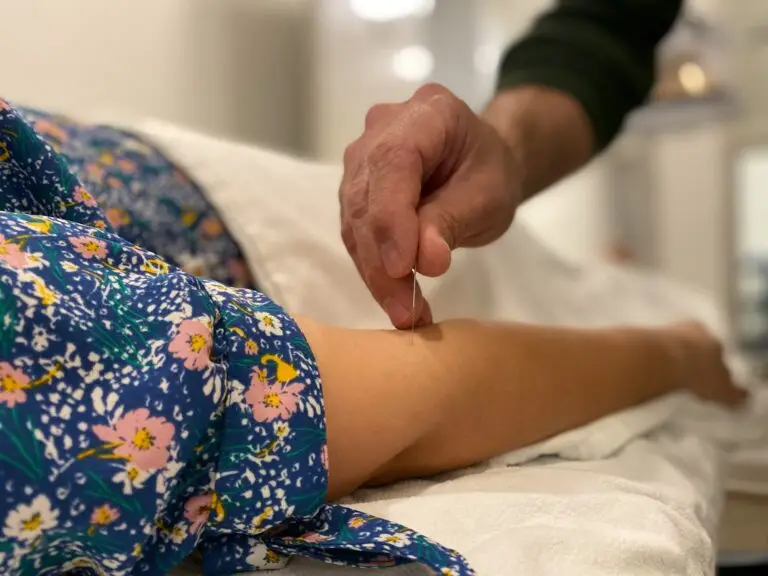
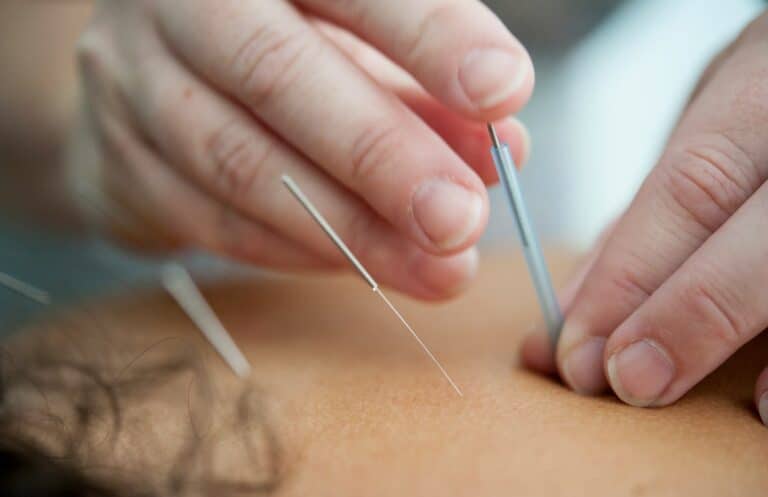
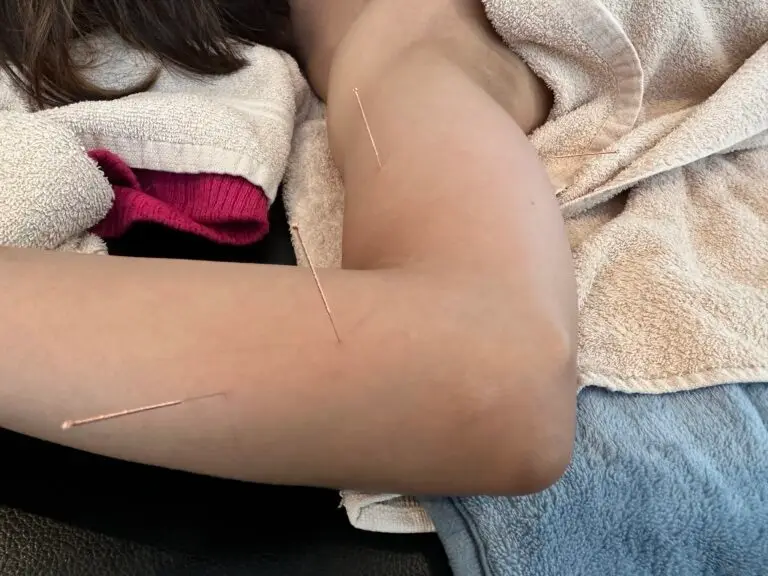
Dry needling involves the insertion of a fine, sterile needle directly into the trigger points within muscles. The purpose is to stimulate the tissue, which helps reduce muscle tension and pain. This approach utilizes the mechanical effect of the needle to encourage muscle relaxation, potentially releasing the knot and easing symptoms linked with muscle tightness and spasms.
Exploring Trigger Point Injections
In contrast, trigger point injections involve administering a solution, which may include a local anesthetic, saline, or corticosteroid, directly into the trigger point. This technique aims to deactivate the trigger point, thus reducing pain and allowing the muscle to relax. The injection often provides immediate relief, which can be a significant factor for many individuals.
See a Thrive clinician
Acupuncture, dry needling and physical therapy across four Long Island offices. Same-week appointments are usually available, and you do not need a referral to start.
Evaluating the Approaches
Grasping the distinctions between these two approaches is vital for choosing the one that best fits your requirements.
- Effectiveness: Both dry needling and trigger point injections effectively treat muscle pain. Dry needling is ideal for those who prefer a non-pharmacological method and are willing to undergo several sessions to gradually alleviate discomfort. Trigger point injections can offer quicker relief as they deliver medication directly into the muscle.
- Treatment Experience: The process of dry needling may cause slight discomfort, as the needle’s insertion can make the muscle twitch momentarily. This sensation often indicates the treatment’s effectiveness. Initially, trigger point injections might be more painful due to the injection itself, but the discomfort typically diminishes quickly afterward.
- Safety and Considerations: Both treatments are deemed safe when performed by a trained professional, although they have distinct risk profiles. Dry needling mainly carries risks of minor bleeding or bruising at the needle site. Trigger point injections might occasionally lead to more significant concerns, such as infection or reactions to the medication used.
- Cost and Availability: Dry needling is generally more affordable than trigger point injections and is available through licensed acupuncturists. It is a form of acupuncture, and in New York only a licensed acupuncturist may perform it. Trigger point injections, being a medical procedure, are usually more costly and must be administered by a healthcare professional, like a doctor or nurse practitioner, which can impact accessibility and convenience.
Determining the Appropriate Treatment
When choosing between trigger point injections and dry needling, consider the following aspects:
- Symptom Intensity: If you experience severe pain and require rapid relief, trigger point injections may be the preferred choice. For ongoing issues that can be managed with a more gradual approach, dry needling might be effective.
- Treatment Objectives: Reflect on what you aim to achieve with treatment. If you wish to avoid medications, dry needling might be the best option.
- Health Background: Your overall health and any medication allergies are vital considerations. Discuss these with your healthcare provider to ensure safety.
- Personal Comfort: Some individuals have preferences regarding needles and injections. Your comfort level with each procedure should also influence your decision.
Customized Pain Management with Dry Needling
Both trigger point injections and dry needling provide effective methods for managing muscle pain, but the right choice depends on your specific needs and preferences. At Thrive Health, we focus on dry needling as a whole-person, non-pharmacological approach to easing muscle tension and pain. This technique stimulates the body’s natural healing processes, offering relief without medication.
Our skilled practitioners are dedicated to developing individualized treatment plans that address your unique health concerns and goals. By concentrating on your individual needs, we aim to deliver lasting relief and enhance your overall quality of life.