Understanding the Differences Between Dry Needling and Massage Therapy
When considering ways to manage pain, enhance mobility, and support overall wellness, two therapies often come to mind: dry needling and massage therapy. While both aim to address musculoskeletal issues, they differ significantly in their techniques, applications, and mechanisms of action. Recognizing these distinctions can help you choose the most suitable therapy for your needs. In this piece, we’ll explore the benefits, techniques, and ideal use cases of dry needling and massage therapy.
Defining Dry Needling
Dry needling is a therapeutic technique that involves inserting fine, sterile needles into specific muscle points known as trigger points. These trigger points are tight muscle fiber bands that cause pain, tension, and restricted movement. By targeting these areas, dry needling helps alleviate muscle tightness, reduce pain, and enhance overall function.
Mechanism of Action:
- The needles activate trigger points, releasing muscle knots and boosting blood flow to the area.
- This often results in immediate tension relief and improved range of motion.
- Dry needling is particularly effective for chronic pain, sports injuries, and conditions such as sciatica or neck pain.
Understanding Massage Therapy
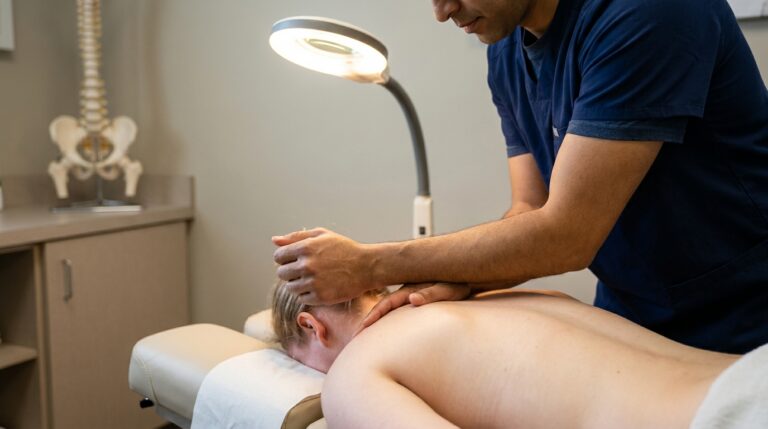
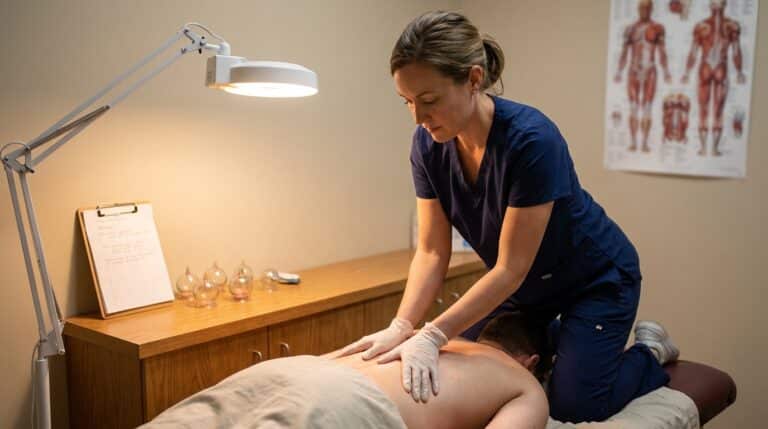
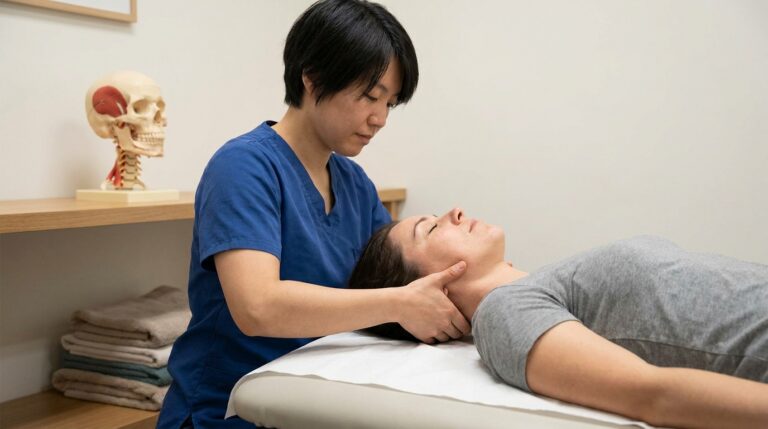
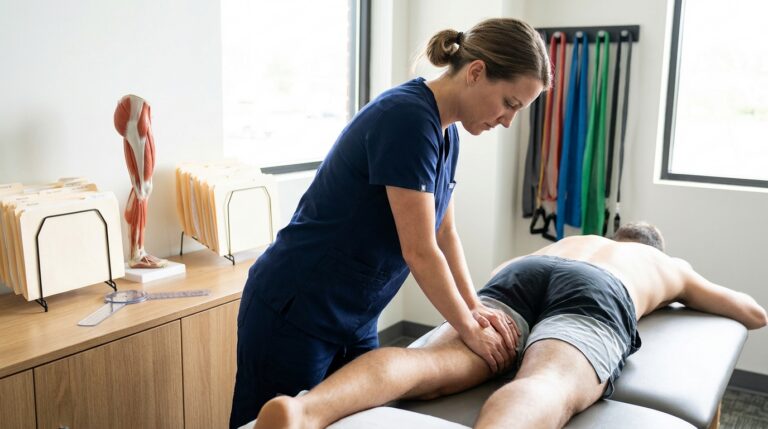
Massage therapy is a manual treatment that involves manipulating the body’s soft tissues, such as muscles, tendons, and ligaments. Techniques vary from gentle stroking to deep-tissue manipulation, matched to the client’s needs. Massage therapy is often employed to reduce stress, enhance circulation, and address musculoskeletal discomfort.
Mechanism of Action:
- By applying pressure and motion, massage therapy eases muscle tension and boosts blood flow.
- It triggers the release of endorphins, encouraging relaxation and a sense of well-being.
- Massage therapy is commonly used for stress relief, tension headaches, and overall relaxation.
Comparing Dry Needling and Massage: Key Distinctions
- Technique:
- Dry Needling: Involves inserting thin, sterile needles into trigger points to alleviate muscle tension.
- Massage Therapy: Uses manual techniques to manipulate soft tissues and reduce discomfort.
- Target Areas:
- Dry Needling: Focuses on trigger points and deeper muscle tissue layers.
- Massage Therapy: Addresses both shallow and deep tissues, depending on the technique used.
- Purpose:
- Dry Needling: Aims to relieve pain, restore muscle function, and enhance range of motion.
- Massage Therapy: Concentrates on stress reduction, relaxation, and improving overall well-being.
Training and Certification: Dry Needling: Administered by licensed acupuncturists with specialized training. Dry needling is a form of acupuncture, and in New York only a licensed acupuncturist may perform it.
- Massage Therapy: Provided by certified massage therapists trained in various modalities.
- Sensation:
- Dry Needling: May cause brief discomfort or muscle twitching, indicating trigger point release.
- Massage Therapy: Typically provides a soothing experience, though deep tissue massage can sometimes feel intense.
- Dry Needling: Involves inserting thin, sterile needles into trigger points to alleviate muscle tension.
- Massage Therapy: Uses manual techniques to manipulate soft tissues and reduce discomfort.
- Dry Needling: Focuses on trigger points and deeper muscle tissue layers.
- Massage Therapy: Addresses both shallow and deep tissues, depending on the technique used.
- Dry Needling: Aims to relieve pain, restore muscle function, and enhance range of motion.
- Massage Therapy: Concentrates on stress reduction, relaxation, and improving overall well-being.
-
Dry Needling: Administered by a licensed acupuncturist with specialized training, since New York treats dry needling as a form of acupuncture.
- Massage Therapy: Provided by certified massage therapists trained in various modalities.
- Dry Needling: May cause brief discomfort or muscle twitching, indicating trigger point release.
- Massage Therapy: Typically provides a soothing experience, though deep tissue massage can sometimes feel intense.
See a Thrive clinician
Acupuncture, dry needling and physical therapy across four Long Island offices. Same-week appointments are usually available, and you do not need a referral to start.
Advantages of Dry Needling
- Pain Relief: Offers quick alleviation for chronic and acute pain in targeted areas.
- Enhanced Mobility: Releases muscle tightness, facilitating better movement.
- Focused Treatment: Targets specific problem areas, such as trigger points or injured muscles.
- Athletic Recovery: Assists athletes in recovering from injuries and enhancing performance.
Who May Benefit from Dry Needling?
Dry needling is optimal for those experiencing:
- Chronic pain conditions like fibromyalgia
- Sports injuries
- Muscle spasms or tightness
- Reduced range of motion
Advantages of Massage Therapy
- Stress Alleviation: Encourages relaxation and reduces stress levels.
- Better Circulation: Enhances blood flow, aiding in faster recovery.
- Overall Wellness: Helps ease tension and encourages a sense of balance.
- Flexibility Enhancement: Loosens tight muscles, improving flexibility and preventing injuries.
Who May Benefit from Massage Therapy?
Massage therapy is ideal for those seeking:
- Stress relief and relaxation
- Relief from tension headaches or migraines
- Improved muscle recovery after physical activity
- General wellness and better circulation
Selecting the Right Therapy: Dry Needling vs. Massage
When choosing between dry needling and massage therapy, consider your specific needs and goals. The source of your pain is crucial. If it arises from specific trigger points or chronic conditions, dry needling might be more effective. In contrast, for general muscle tension or stress-related discomfort, massage therapy could be more suitable.
Your treatment objectives matter too. If you aim to enhance mobility or recover from an injury, dry needling is likely the better choice. Conversely, if relaxation and stress relief are your primary goals, massage therapy might be more appropriate.
The session’s duration and sensation may also influence your choice. Dry needling sessions are typically focused and short but may involve some discomfort. Massage therapy sessions, on the other hand, are usually longer and provide a more relaxing experience.
Finally, professional advice is essential. Consulting with a healthcare provider or licensed therapist can guide you in selecting the therapy that best aligns with your condition and wellness objectives.
Can Dry Needling and Massage Therapy Be Integrated?
Indeed, dry needling and massage therapy can complement one another. Many individuals find value in combining both treatments. For instance:
- Dry needling can address specific pain points and relieve muscle tension.
- Massage therapy can follow to enhance relaxation, boost circulation, and promote overall recovery.
Discuss with your therapist or healthcare provider to adjust a plan that integrates the most beneficial aspects of both treatments.
A Path Toward Improved Health
Understanding the distinctions between dry needling and massage can help make an informed decision about your treatment options. While both aim to relieve pain and boost well-being, their approaches cater to different needs. Dry needling offers a targeted, quick solution for chronic pain and trigger points, whereas massage therapy provides a whole-person, relaxing experience for overall health.
Whether recovering from an injury or seeking relief from daily stress, consulting with a licensed professional at Thrive Health will ensure you receive the right treatment for your unique situation.