Distinguishing Between Cupping and Acupuncture
Both cupping and acupuncture are essential practices within Traditional Chinese Medicine (TCM), offering therapeutic benefits for a variety of ailments. While they share a common origin in TCM, their methodologies and areas of focus are quite distinct. This article looks at the primary differences between cupping and acupuncture, assisting you in determining which method might best meet your needs.
Understanding Cupping and Its Mechanism
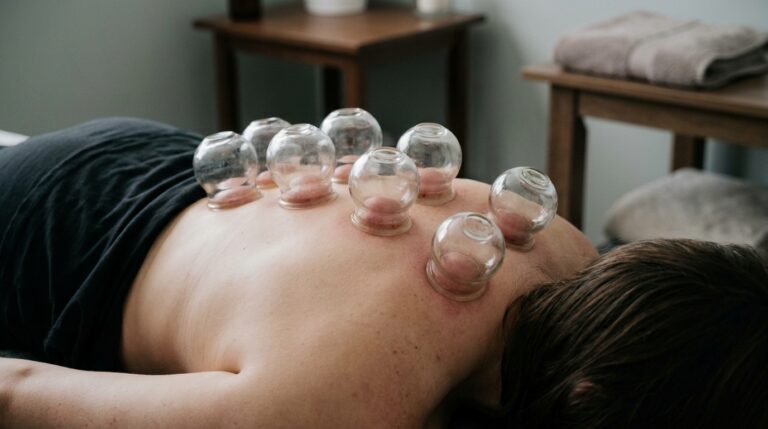
Cupping therapy involves placing cups on the skin to generate suction, which enhances blood circulation, alleviates muscle tension, and supports healing. There are different methods of applying suction, dry cupping, which solely uses suction, and wet cupping, which involves making small cuts on the skin to draw out blood. Other techniques include flash cupping, where cups are swiftly applied and removed, and running cupping, which resembles a massage as the cups are moved across the skin.
The suction helps ease muscle tension, boost circulation, and decrease inflammation, making cupping particularly beneficial for headaches, asthma, and musculoskeletal discomfort. It’s noteworthy that cupping often leaves temporary marks or bruises due to the suction applied to the skin.
An In-Depth Look at Acupuncture
Acupuncture, another pivotal aspect of TCM, involves the insertion of thin needles at specific points on the body. Unlike cupping, which focuses on muscles and surface tissues, acupuncture targets the body’s energy channels, known as “qi.” By stimulating these points, acupuncture can address a wider range of health issues, including chronic pain, anxiety, digestive disorders, and insomnia.
The needles used in acupuncture are very fine, and although they may cause mild discomfort or soreness where they are inserted, they typically don’t leave visible marks. Acupuncture is highly regarded for fostering overall balance and restoring harmony within the body’s systems, making it particularly useful for managing long-term health conditions.
See a Thrive clinician
Acupuncture, dry needling and physical therapy across four Long Island offices. Same-week appointments are usually available, and you do not need a referral to start.
Contrasting Cupping and Acupuncture
The primary difference between cupping and acupuncture lies in their techniques and treatment objectives. Cupping mainly targets muscle relaxation and circulation enhancement in surface tissues. The sensation is often described as a tightening or pulling from the suction, which, although slightly uncomfortable, offers profound relief for many individuals.
Conversely, acupuncture is designed to stimulate the body’s deeper energy pathways. Patients often report sensations of tingling or warmth as the needles work to reestablish the body’s energy balance, making the experience more subtle compared to cupping.
Regarding visual effects, cupping is more likely to leave marks, whereas acupuncture rarely does, making it a preferred choice for those concerned about the cosmetic aspects of their treatment.
Deciding Between Cupping and Acupuncture
Your choice between cupping and acupuncture should be guided by your specific health issues. Cupping is particularly effective for musculoskeletal concerns, respiratory problems, and general detoxification. It is excellent for relieving muscle tension and promoting relaxation.
Acupuncture is ideal for managing chronic conditions, easing joint pain, and addressing emotional or stress-related concerns. For a well-rounded approach to both physical and emotional well-being, acupuncture may be beneficial.
We at Thrive Health Acupuncture believe in the efficacy of these ancient practices and their potential to effect lasting, positive changes in our patients’ lives. Through our individualized treatment plans, we strive to help you achieve improved health naturally, without resorting to invasive procedures. If you’re uncertain about whether cupping or acupuncture is the right choice for you, our team is ready to guide you through the decision-making process to ensure you find the relief you need.
The article originally titled “Cupping Vs Acupuncture: What Is The Difference?” was published by Thrive Health Acupuncture.