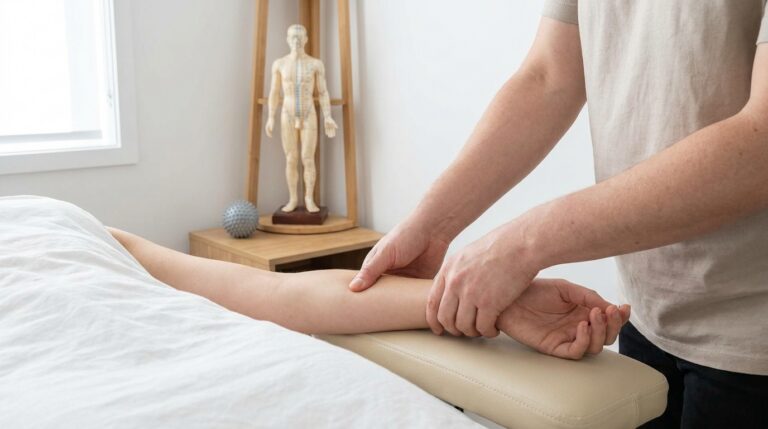
The increasing popularity of massage for combating inflammation stems from its ability to alleviate swelling, muscle tension, and physical discomfort before they become chronic issues.
Inflammation is linked to numerous health conditions, such as arthritis, cardiovascular problems, and autoimmune diseases. Instead of waiting for symptoms to worsen, many individuals are incorporating therapeutic massage into their preventive health care routines.
Understanding Inflammation and the Body’s Response
Inflammation is a natural part of the body’s defensive reaction to injury or perceived threats. While acute inflammation is protective and aids in healing, chronic inflammation can damage tissues and burden the immune system.
Massage can help soothe this response by enhancing blood circulation and reducing muscle and tissue stagnation. This improved flow can gently facilitate the removal of waste from inflamed areas.
Preventing Chronic Swelling with Massage
When the body endures repeated tension or injury, localized inflammation can become persistent. Massage techniques aim to release tense muscle fibers and restore mobility.
These gentle, regular actions help maintain fluid movement and prevent the accumulation of cellular waste. As lymphatic circulation enhances, swelling may diminish without the need for medication.
The Connection with the Nervous System
Therapeutic massage impacts more than just muscle tissue; it interacts directly with the nervous system. When performed with care and mindfulness, massage sends soothing signals to the brain.
These signals help transition the body from a reactive to a regulated state. This is one method by which massage may promote immune balance and help prevent the spread of inflammation.
Addressing Chronic Tension and Joint Pain
Tight muscles can exert pressure on surrounding structures, including joints. Over time, this imbalance may lead to discomfort and even inflammation in the affected areas.
Individuals experiencing joint pain often find that regular massage therapy alleviates their discomfort and enhances their range of motion. A more balanced musculoskeletal system has fewer stress points, potentially reducing inflammatory flare-ups.
Reducing Mental Stress through Massage
Inflammation is not only physical; it can also be influenced by emotional stress. Prolonged stress triggers hormonal reactions that affect blood vessels and immune function.
Massage therapy helps alleviate stress by enhancing the body’s capacity to rest and recover. The soothing rhythm of therapeutic touch can decrease cortisol levels and promote relaxation in both mind and body.
Integrating Acupressure with Massage Techniques
Some practitioners blend acupressure with massage to encourage overall wellness. Acupressure focuses on specific points associated with the body’s energy channels.
When combined with traditional massage strokes, this approach may activate the body’s natural healing mechanisms. Many clients report reduced swelling, decreased fatigue, and improved body awareness following these sessions.
See a Thrive clinician
Acupuncture, dry needling and physical therapy across four Long Island offices. Same-week appointments are usually available, and you do not need a referral to start.
Soft Tissue Work for Preventive Care
Medical massage can be regarded as maintenance for the muscular system. Much like regular car servicing, massage helps keep the body moving smoothly. Routine sessions can prevent stiffness from developing into inflammation and inflammation from evolving into pain.
Inflammation and Inactivity
Inactivity is a common trigger for low-level inflammation. Those who remain seated for extended periods often encounter swelling in the lower back, hips, and legs.
Massage counteracts this by stimulating blood and lymphatic flow. Enhanced circulation makes tissues more flexible and less likely to trap inflammatory substances.
Specialized Support for Athletes and Active Individuals
Active people often face strain from repetitive motions or overuse. Massage therapy can address minor tightness before it develops into a significant injury or inflammation.
Sports-specific techniques alleviate tension and support recovery between workouts. By addressing problem areas early, athletes can continue training while minimizing inflammatory damage.
The Subtle Power of Gentle Touch
While some envision massage as deep and vigorous, many techniques aimed at preventing inflammation are quite gentle. Light, rhythmic movements can promote fluid flow without exerting pressure on sensitive tissues. This type of massage is ideal for individuals managing chronic illnesses, fatigue, or autoimmune conditions where a firm touch might be overwhelming.
Enhancing Circulation and Detoxification
A lesser-known benefit of massage is its contribution to detoxification. Toxins and waste materials can accumulate in tissue when circulation is sluggish.
By encouraging fluid movement, massage supports the body’s natural filtering systems. This process may decrease tissue irritation and prevent inflammation from establishing itself.
Re-establishing the Connection Between Body and Mind
Therapeutic massage isn’t solely for relieving muscle tension. It also aids in reconnecting individuals with their bodies. Many people feel disconnected from their physical selves when experiencing chronic inflammation.
The deliberate, mindful nature of massage encourages individuals to inhabit their bodies with more comfort and less apprehension. This reconnection may foster better movement habits and postural alignment.
Collaborating with an Experienced Practitioner
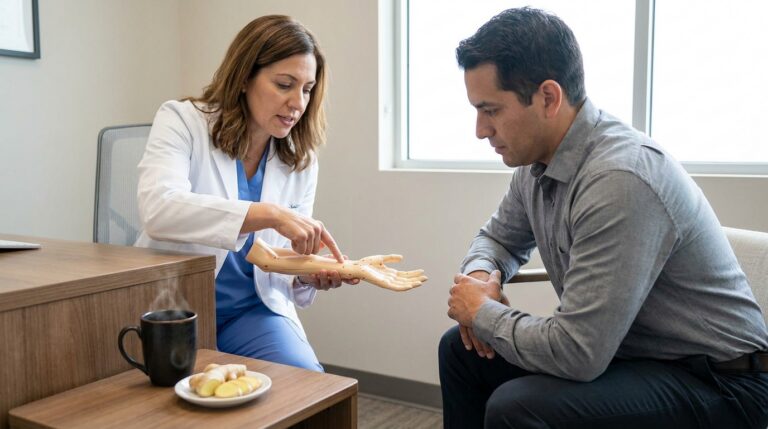
Not all massages are alike. Collaborating with a skilled therapist trained in techniques sensitive to inflammation is crucial for safety and effectiveness. These professionals understand how to avoid triggering flare-ups while still promoting tissue repair.
Successful sessions rely on open communication between the client and therapist.
Massage as Consistent Support, Beyond a Luxury
For those dealing with inflammatory conditions, massage therapy can be an integral part of a continuous wellness plan. It’s not merely a luxury or treat but a proactive measure to care for the body before symptoms escalate.
Consistency often yields better results than intensity. A series of gentle, well-timed sessions may be more beneficial than infrequent deep tissue treatments.
Our Approach to Inflammation Support at Thrive Health Acupuncture
At Thrive Health Acupuncture, we view massage as a powerful tool to address inflammation before it intensifies. Our approach emphasizes attentive listening, to your symptoms, your narrative, and your body.
We employ therapeutic techniques that enhance circulation, alleviate discomfort, and calm the nervous system. These methods provide relief without overwhelming sensitive tissues.
Our founder, Thrive Health, established this practice based on personal experience. After overcoming severe joint issues, he recognized the profound impact of therapeutic touch.
That experience shaped our mission: to support the body’s natural healing process through evidence-based care and intentional healing. When you visit our office, you’re greeted with attention, respect, and a sincere commitment to your well-being.