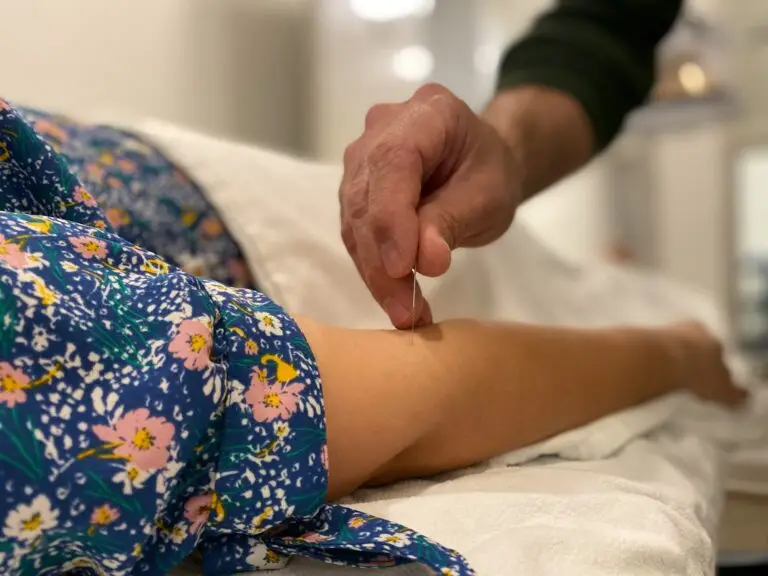
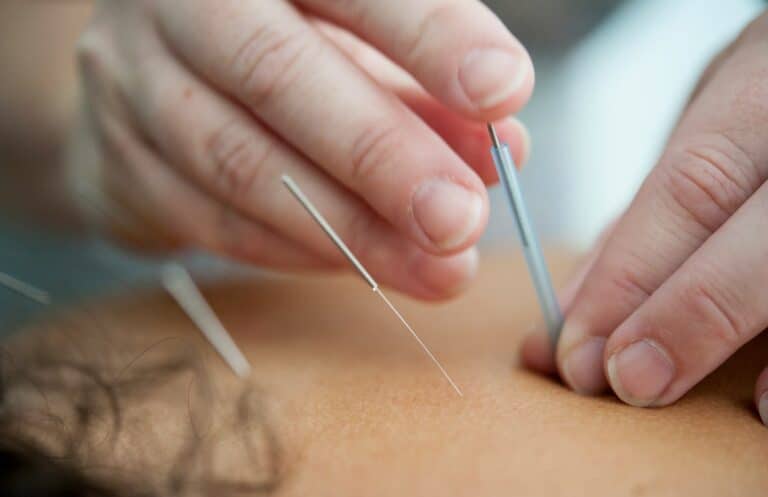
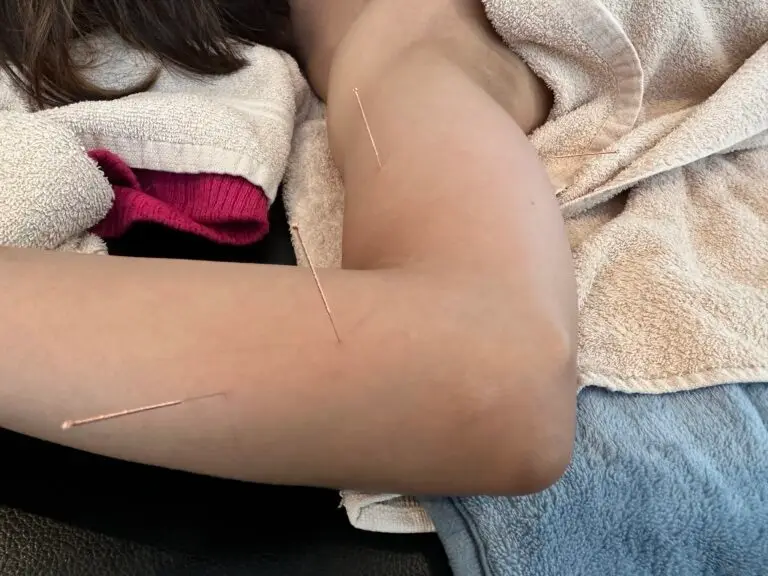
Dry needling has gained popularity as an effective approach for managing chronic pain, migraines, and orthopedic issues. This minimally invasive technique employs fine needles to target trigger points and alleviate muscle tension. A common query among new patients is: how long does a dry needling session last? Understanding the duration can help set realistic expectations for the treatment. Depending on whether the focus is on localized pain or multiple areas, session times differ based on the individual’s condition and the practitioner’s method.
How long is a Dry Needling Appointment
Typically, a dry needling session lasts between 20 and 40 minutes. This timeframe includes identifying trigger points, inserting needles, and allowing muscles to relax. The specific duration is influenced by factors such as the treatment area’s size, the number of trigger points, and the pain’s severity.
Practitioners strive to balance efficiency with effectiveness in each session. Treatments for smaller or less severe conditions are often shorter, whereas more complex cases involving larger muscles or multiple trigger points require longer sessions. Adjusting the duration ensures the therapy meets specific needs without unnecessary stress.
Elements Affecting Dry Needling Session Length
- Treatment aims: The session length is largely determined by the treatment’s objective. Conditions involving chronic pain or post-injury recovery may necessitate longer sessions than preventive care or minor muscle tightness.
- Muscles targeted: Larger or deeper muscles generally require extended sessions due to the complexity of treatment. Conversely, smaller muscle groups often need less time.
- Patient response: The patient’s reaction during treatment can also affect the session’s length. Some patients may need breaks or additional care if they experience sensitivity or discomfort.
- Practitioner technique: Depending on their training and experience, practitioners may use different techniques, which can impact session duration. More precise methods might reduce the time while maintaining effectiveness.
- Type of session: Follow-up appointments are usually shorter than initial consultations. Initial visits involve assessments and treatment planning, requiring extra time to adjust the approach.
Initial Consultation Duration in Dry Needling
An initial consultation generally lasts between 45 and 60 minutes. During this period, the practitioner conducts a thorough evaluation of the patient’s medical history, pain symptoms, and physical condition, ensuring a customized treatment plan targeting the most pressing issues.
After this evaluation, the practitioner begins dry needling by focusing on identified trigger points. They explain the procedure to make the patient feel comfortable and informed. The extended duration of the first session provides a thorough introduction to the therapy while addressing the patient’s specific needs.
Impact of Practitioner Expertise on Session Time
Experienced practitioners tend to conduct sessions more efficiently. Their expertise enables them to quickly locate trigger points and apply precise techniques, minimizing unnecessary delays. They also anticipate potential challenges, such as muscle sensitivity, and adapt their approach to maintain effectiveness without unnecessarily prolonging the session.
Less experienced practitioners may need more time to assess and treat the targeted areas. Although their methods are effective, the overall session may take longer. Patients seeking efficient treatments often prefer working with professionals who demonstrate a high level of expertise.
See a Thrive clinician
Acupuncture, dry needling and physical therapy across four Long Island offices. Same-week appointments are usually available, and you do not need a referral to start.
Session Time Variations Based on Treatment Area
The treatment area’s size significantly influences the session length. For smaller areas like the hands or feet, sessions typically last between 20 and 30 minutes, as they involve fewer trigger points and require less time to treat.
Conversely, larger areas such as the back, thighs, or shoulders necessitate longer sessions, often extending to 40 minutes or more. Treating these areas involves addressing multiple muscles and trigger points, increasing the time needed to complete the procedure.
Time Differences Between Single-Point and Multi-Point Dry Needling
Single-point dry needling targets one specific trigger point and is generally completed in 10 to 15 minutes. This method is ideal for localized pain or minor injuries that do not require extensive treatment.
Multi-point dry needling addresses several trigger points across various body areas. These sessions are more thorough and often last 30 to 45 minutes. The extra time ensures all areas receive adequate attention for effective results.
Duration of Follow-Up Sessions
Follow-up sessions are usually shorter than the initial consultation, lasting around 20 to 30 minutes. These appointments focus on monitoring progress and adjusting the treatment plan. Practitioners may revisit previously treated areas to reinforce results or address new concerns.
The shorter duration of follow-up sessions ensures patients receive consistent care without needing extended time commitments. This approach maintains progress while accommodating busy schedules.
Comparing Dry Needling to Other Therapies A dry needling session often takes less time than a full acupuncture treatment or a physical therapy appointment. Acupuncture sessions can range from 30 to 60 minutes as they address broader health concerns beyond muscle tension.Physical therapy sessions typically last 45 to 60 minutes and include exercises and manual techniques in addition to needling. Dry needling’s targeted approach allows for shorter sessions while effectively addressing specific pain points.
Preparation Before a Dry Needling Session
Preparation time for a dry needling session usually takes 5 to 10 minutes. This includes reviewing the patient’s records, discussing treatment goals, and explaining the procedure. The practitioner ensures the treatment area is clean and ready for needling to provide a comfortable experience.
This preparation phase is crucial for setting the session’s tone and helping the patient feel at ease. It also allows the practitioner to address any last-minute questions or concerns before starting the treatment.
Post-Session Cool-Down Period
Following the session, patients typically spend 5 to 10 minutes recovering and discussing any immediate sensations or feedback with the practitioner. This cool-down period allows for monitoring and ensures the patient feels comfortable before leaving the clinic.
Practitioners may suggest post-treatment care, such as stretches or hydration, to enhance the session’s benefits. These recommendations help patients maintain the positive effects of the therapy.
Influence of Patient Needs on Session Duration
The duration of a dry needling appointment varies based on the patient’s specific needs. Acute pain or localized issues generally require shorter sessions, while chronic conditions or more extensive discomfort areas demand longer appointments.
Practitioners adjust the session duration to align with the patient’s goals and preferences. This individualized approach ensures effective treatment while respecting the patient’s time and comfort.
Pain Management with Dry Needling by Licensed Experts in East Setauket, Sayville, Smithtown, and Westhampton
Thrive Health excels in providing pain management solutions for musculoskeletal concerns. Our treatments aim to reduce muscle tension and enhance mobility, effectively addressing chronic pain.
Our licensed dry needling specialists in East Setauket, Sayville, Smithtown, and Westhampton offer expert care matched to your specific needs. Whether dealing with migraines or orthopedic challenges, we focus on achieving the best health outcomes for you.
Experience individualized treatments at Thrive Health Acupuncture and take the first step toward lasting relief and improved well-being.