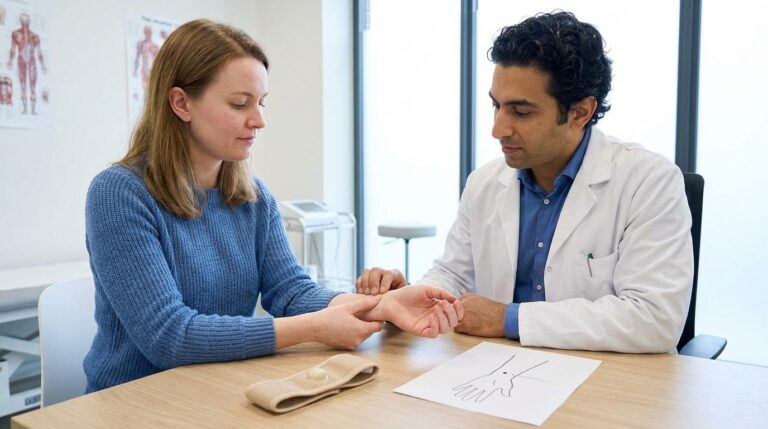
When coping with diabetes, many individuals seek alternative methods to enhance their treatment plans. Acupressure for diabetes has emerged as a promising complementary therapy.
Acupressure, rooted in Traditional Chinese Medicine (TCM), involves applying finger pressure to specific body points to foster healing and maintain energy balance. This non-invasive technique is known to boost overall wellness, making it particularly beneficial for diabetes management.
Here, we explore crucial acupressure points that you can incorporate into your daily regimen to help regulate blood sugar levels and enhance your quality of life.
Note: It is important to work with your healthcare practitioner before making any changes to your healthcare regime. This is not medical advice.
Understanding Acupressure
Acupressure involves exerting pressure on specific body points, known as acupoints, found along pathways called meridians.
In TCM, it is believed that “Qi,” or energy, flows through these meridians. Disruptions in this flow can cause health problems. The primary aim is to restore the natural energy flow and aid the body in self-healing by targeting particular acupressure points.
Unlike acupuncture, which uses needles to stimulate points, acupressure employs manual pressure, making it a safer, simpler, and more accessible choice for many.
Research indicates that regular acupressure can assist in pain relief, stress reduction, and boosting energy levels, making it a valuable tool for managing conditions like diabetes.
Benefits of Acupressure in Diabetes Management
Diabetes, especially type 2, is marked by raised blood sugar levels due to insulin resistance or insufficient insulin production.
While medication, diet, and exercise are critical in managing diabetes, complementary approaches like acupressure may offer additional benefits:
- Blood Sugar Regulation: Specific acupressure points may aid in regulating insulin production and enhancing the body’s capacity to manage blood sugar levels.
- Enhanced Circulation: Diabetes can impair circulation, particularly in the extremities. Acupressure can improve blood flow to these areas, reducing complications like neuropathy.
- Stress Reduction: Stress can raise blood sugar levels. Acupressure points associated with stress relief can promote relaxation, potentially enhancing blood sugar control.
- Boosting Overall Health: By balancing the body’s energy, acupressure can enhance general health, energy, and emotional well-being, all crucial for effective diabetes management.
Thrive Health Acupuncture recognizes the challenges of managing diabetes. Our whole-person approach to care includes integrating acupressure into your routine as a complement to your existing treatment plan.
Let’s look at some key acupressure points that can support diabetes care.
See a Thrive clinician
Acupuncture, dry needling and physical therapy across four Long Island offices. Same-week appointments are usually available, and you do not need a referral to start.
Essential Acupressure Points for Diabetes Support
ST36 (Zusanli) – Stomach Meridian
ST36 is a widely used acupressure point, renowned for promoting health and vitality. Located about 3 inches below the knee and one finger-width from the shinbone, this point is believed to aid digestion, boost energy, and regulate blood sugar levels.
Regular stimulation of ST36 can support metabolism, assisting in glucose and insulin processing. For those with diabetes, activating this point may improve blood sugar regulation.
How to locate ST36:
- Find the point 3 finger widths below the kneecap.
- Position it on the outer side of the shinbone (tibia).
SP6 (Sanyinjiao) – Spleen Meridian
SP6 is an acupressure point above the ankle, about 4 finger widths from the inner ankle bone. It is often used to balance the spleen and pancreas, which are crucial for blood sugar and digestion management.
Stimulating SP6 may help regulate insulin levels, decrease fluid retention, and improve digestion, common concerns for those with diabetes.
How to locate SP6:
- Place your fingers about 4 finger widths above your inner ankle bone.
- The point is located along the tibia’s edge.
LI4 (Hegu) – Large Intestine Meridian
LI4 is a well-known acupressure point used to alleviate pain and stress. It is found on the back of the hand, between the thumb and index finger. While often utilized for headaches and stress relief, LI4 can also help balance the body’s energy, bolster the immune system, and aid insulin regulation.
LI4 can effectively manage diabetes-related issues by promoting circulation and reducing stress, such as high blood pressure and poor circulation.
How to locate LI4:
- Identify the point in the webbing between your thumb and index finger.
- Apply firm but comfortable pressure for 30 seconds to 1 minute.
KD1 (Yongquan) – Kidney Meridian
KD1 is situated on the sole of the foot, in the center, about one-third of the way from the toes. This point is recognized for its grounding and energizing effects.
Stimulating KD1 may help restore balance and improve energy circulation throughout the body. It can benefit blood sugar management and enhance overall wellness for people with diabetes.
Given the kidneys’ connection to metabolism, KD1 is often recommended for those aiming to boost energy levels and manage weight. Regular activation of this point can stimulate the kidney meridian and enhance blood flow.
How to locate KD1:
- Sit comfortably and flex your foot inward.
- Press firmly in the center of the sole, one-third of the way from the toes.
LV3 (Taichong) – Liver Meridian
LV3 is a potent acupressure point on the top of the foot, in the webbing between the first and second toes. It is often used to promote Qi flow throughout the body and can help address stress and emotional imbalances contributing to high blood sugar levels.
Since the liver plays a crucial role in detoxification and metabolism, stimulating LV3 may enhance its glucose processing ability, aiding in better blood sugar management.
How to locate LV3:
- Locate the webbing between your first and second toes.
- Gently apply pressure to this area for up to 1 minute on each foot.
Ren 4 (Guanyuan) – Conception Vessel Meridian
Ren 4, also called Guanyuan, is situated about two finger widths below the belly button. In TCM, it is often referred to as a “source point.”
Stimulating Ren 4 is thought to enhance energy flow in the lower abdomen, aiding digestion and regulating internal organs. For those with diabetes, this point can support the pancreas and insulin production, vital for blood sugar regulation.
Applying pressure to Ren 4 can help balance energy levels and improve metabolic function.
How to locate Ren 4:
- Identify the point about 2 finger widths below your belly button.
- Apply gentle pressure for 30 seconds to 1 minute.
CV6 (Qihai) – Sea of Qi Meridian
Located approximately 1.5 inches below the belly button, CV6, or Qihai, is another key point for balancing the body’s energy. It is known for enhancing vitality and strengthening the body.
In diabetes management, CV6 can support the digestive system and improve the function of organs involved in glucose metabolism, such as the liver and pancreas. Regular pressure on this point may help regulate blood sugar and boost energy levels, useful for combating fatigue or a sluggish metabolism.
How to locate CV6:
- Identify the point 1.5 inches below the belly button.
- Press for about 1 minute, and repeat daily.
LU7 (Lieque) – Lung Meridian
Positioned on the wrist, just above the radial artery, LU7 is a beneficial acupressure point for enhancing circulation and energy flow. It supports the respiratory system and overall Qi, aiding in blood sugar management.
Stimulating LU7 can also address stress and anxiety associated with diabetes. It helps regulate blood sugar by reducing cortisol, a stress hormone that can spike sugar levels.
How to locate LU7:
- Find the point just above your wrist, along the thumb line.
- Gently press for 30 seconds, repeating 2-3 times daily.
HT7 (Shenmen) – Heart Meridian
HT7, or Shenmen, is a powerful point on the wrist, in the crease where the wrist meets the palm. It is often used to promote emotional balance and reduce stress, making it highly effective for people with diabetes since emotional well-being significantly impacts blood sugar management.
Chronic stress can lead to blood sugar spikes. HT7 may help calm the nervous system and lower stress. It is also believed to support heart health, crucial for individuals with diabetes who are at higher risk for cardiovascular issues.
How to locate HT7:
- Identify the crease on the inside of your wrist.
- Press gently for 1 minute, repeating daily.
Performing Acupressure Safely
When practicing acupressure, it’s essential to do so carefully. Here are some guidelines for safe and effective acupressure use:
- Maintain Consistent Pressure: Apply pressure that is firm but not painful. If discomfort occurs, reduce the pressure or try another point.
- Focus on Breathing: Deep breathing can enhance acupressure’s effectiveness. Inhale deeply through your nose, hold briefly, and exhale through your mouth, focusing on your breath to relax your body and mind.
- Be Patient: Acupressure requires consistency. Stick with it for several weeks and be patient, as improvements in energy, digestion, or blood sugar control may take time.
- Listen to Your Body: Discontinue if you feel discomfort or pain during acupressure. Consult a healthcare professional or acupressure expert if you have concerns.
- Choose a Clean, Comfortable Space: Acupressure is best practiced in a relaxed setting. Find a quiet, comfortable spot to focus on your practice.
Reasons to Consider Acupressure for Diabetes
Acupressure offers a safe and effective natural option for those seeking to complement their diabetes management plan.
While it should not replace prescribed medical treatment, it can be a valuable addition to your daily routine. Consistent use of diabetes acupressure points may improve circulation, energy levels, and blood sugar regulation.
Acupressure provides a natural way to enhance your current diabetes treatment plan and helps you in managing your condition.
Thrive Health Acupuncture believes in a whole-person approach to diabetes care. We are here to assist you in exploring how acupressure can support your health as part of a thorough diabetes management plan matched to your needs.
Help yourself in managing diabetes and take a step towards better health with acupressure.