Uterine fibroids pose significant challenges for many women, often affecting daily life with symptoms like heavy menstrual bleeding, pelvic pain, and general discomfort. In the quest for effective, non-invasive solutions, many turn to whole-person treatments such as acupuncture. But, is acupuncture effective for treating fibroids?
This article explores how acupuncture can be a supportive therapy for those dealing with this condition, highlighting its potential benefits and its role in enhancing overall health.
What Are Uterine Fibroids?
Uterine fibroids are non-cancerous growths located in or on the uterus. Although benign, fibroids can vary in size, number, and impact. Some fibroids remain small and unnoticed, while others grow large enough to cause symptoms that disrupt daily life. Common symptoms include heavy or prolonged menstrual bleeding, pelvic pain, and pressure on nearby organs.
The exact cause of fibroids remains unclear, although hormonal imbalances, particularly involving estrogen and progesterone, are significant factors. Genetics and lifestyle choices also play a role in their development. Conventional treatments range from medication to surgery, but many women seek complementary therapies for a more whole-person approach to symptom management.
Traditional Chinese Medicine’s Approach to Fibroids
Acupuncture, a core component of Traditional Chinese Medicine (TCM), views health as a balance of forces within the body. TCM posits that imbalances in qi (the vital life force) can cause stagnation and lead to conditions such as fibroids. By restoring qi flow and harmonizing bodily systems, acupuncture may alleviate fibroid symptoms and enhance overall well-being.
According to TCM, fibroids manifest due to underlying issues like liver qi stagnation, blood stasis, and dampness accumulation. These imbalances can be addressed with targeted acupuncture sessions.
Acupuncture’s Benefits for Fibroid Sufferers
Acupuncture involves the strategic placement of thin, sterile needles at specific body points corresponding to energy pathways, or meridians, to facilitate qi flow. Stimulating these points can regulate bodily functions, improve circulation, and reduce inflammation, potentially helping manage fibroid symptoms.
Improving Blood Flow
A primary goal of acupuncture for fibroids is enhancing blood circulation. Better circulation can mitigate blood stasis, a major factor in fibroid development according to TCM. Improved blood flow may alleviate symptoms like pain and menstrual irregularities.
Regulating Hormones
Hormonal fluctuations, particularly high estrogen levels, often influence fibroids. While acupuncture doesn’t directly alter hormone levels, it stimulates the body’s regulatory systems, promoting hormonal balance over time. Better endocrine function may help manage fibroid growth and symptoms.
Alleviating Pain
Pelvic pain and discomfort are common in fibroid cases. Acupuncture may relieve pain by stimulating the body’s natural production of endorphins and pain-relieving chemicals, reducing pain intensity and fostering comfort and relaxation.
Decreasing Inflammation
Chronic inflammation can worsen fibroid symptoms. Studies suggest acupuncture has anti-inflammatory effects, potentially modulating the body’s inflammatory response. This can be especially beneficial for women experiencing fibroid-related pain or bloating.
Studies and Evidence on Acupuncture for Fibroids
While personal stories provide compelling accounts of acupuncture’s benefits, scientific research also underscores its potential. For instance, a study involving women with symptomatic fibroids who had regular acupuncture sessions over six months showed significant symptom improvement, including reduced pain and more regular menstrual cycles.
Research has also explored acupuncture’s influence on hormonal pathways, even if it doesn’t directly alter hormone levels. The nervous system’s response to acupuncture, through neurotransmitter release such as serotonin and endorphins, can contribute to reduced inflammation and a calmer mental state, mitigating the stress-hormone connection that worsens fibroids.
Acupuncture’s Long-Term Benefits for Fibroids
Many women choose acupuncture for fibroid management due to its potential long-term benefits. Unlike quick fixes that temporarily mask symptoms, acupuncture focuses on restoring balance and natural bodily functions over time. This sustainable approach can lead to stable hormonal regulation and better menstrual health, crucial for fibroid sufferers.
Patients who regularly undergo acupuncture often report reduced fibroid-related symptoms, along with improvements in energy levels, digestion, and immune function. Enhanced circulation and better-regulated qi contribute to a more resilient body, decreasing symptom recurrence and supporting ongoing health.
Customizing Acupuncture Treatments
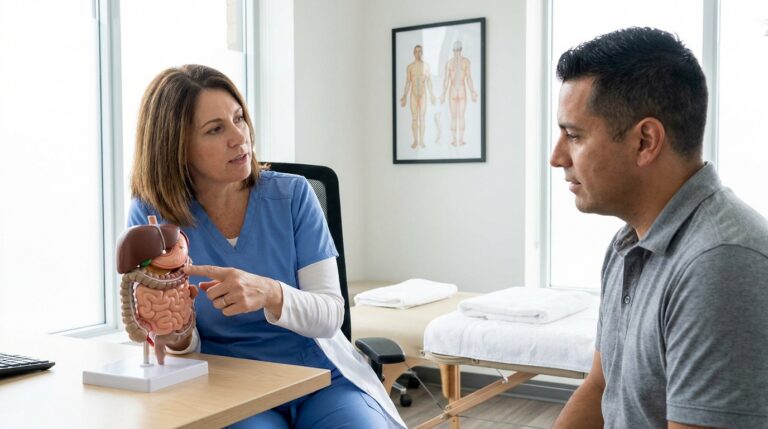
Acupuncture is not a one-size-fits-all therapy. Each woman’s fibroid experience is unique, from fibroid size and location to symptom severity. At Thrive Health Acupuncture, we individualize each treatment plan to meet individual needs. During the initial consultation, our practitioners assess your health history, current symptoms, and wellness goals, ensuring each session is targeted and effective.
Aligning treatment with your specific health profile allows acupuncture to be a strong addition to your health regimen, addressing fibroids and related issues like stress, fatigue, or digestive concerns. This thorough, individualized care approach helps create an integrated path to wellness, supporting both mind and body in the healing process.
Understanding Acupuncture’s Mechanisms
Understanding acupuncture’s deeper workings can reassure those considering it for fibroid management. Needle insertion at specific points stimulates sensory nerves that communicate with the brain and spinal cord, triggering the release of endorphins and other natural pain-relievers, effectively modulating pain perception.
Moreover, acupuncture can activate the parasympathetic nervous system, fostering relaxation and stress reduction, factors indirectly supporting hormonal balance.
Improving blood circulation is another crucial mechanism by which acupuncture manages fibroids. Enhanced blood flow helps dismantle stagnation, a TCM concept referring to restricted energy flow areas. By restoring proper circulation, acupuncture may shrink fibroids or prevent further growth, reducing the need for aggressive interventions.
See a Thrive clinician
Acupuncture, dry needling and physical therapy across four Long Island offices. Same-week appointments are usually available, and you do not need a referral to start.
Complementary Lifestyle Changes for Fibroid Management
While acupuncture is a powerful tool for fibroid symptom management, its benefits can be amplified by supportive lifestyle changes. Adopting whole-person wellness practices not only complements acupuncture but also promotes long-term health and well-being. Here, we explore practical lifestyle adjustments that can work synergistically with acupuncture to support fibroid management.
Eating a Balanced Diet
Diet is crucial for hormonal regulation and overall health. Women with fibroids may benefit from an anti-inflammatory diet rich in fresh fruits, vegetables, lean proteins, and whole grains.
Foods like leafy greens, berries, and omega-3 fatty acid sources (e.g., salmon, flaxseeds, and walnuts) support a healthy body balance. Reducing processed foods, sugars, and high-fat dairy can also help minimize inflammation and hormone fluctuations contributing to fibroid growth.
In Traditional Chinese Medicine, certain warming and nourishing foods, such as ginger and cinnamon, are recommended to support blood flow and reduce cold stagnation associated with fibroids. Herbal teas infused with ingredients like turmeric and chamomile can further support the body’s natural healing processes.
Engaging in Gentle Exercise
Physical activity enhances circulation and reduces stress, both vital for fibroid management. Gentle exercises like yoga, tai chi, and walking complement acupuncture by promoting blood flow and supporting qi movement.
These exercises benefit the body and contribute to mental well-being, reducing stress and improving emotional balance.
Practicing Stress Reduction
Chronic stress can disrupt hormonal balance and worsen fibroid symptoms. While acupuncture is known for its calming effects, additional stress reduction techniques can amplify its benefits.
Mindfulness practices, such as meditation, deep breathing exercises, and progressive muscle relaxation, can smoothly integrate into daily routines. These methods help shift the body from stress (sympathetic nervous system activation) to relaxation (parasympathetic activation), aiding in hormone regulation and overall well-being.
Ensuring Adequate Hydration
Staying well-hydrated is crucial for overall health, often overlooked. Sufficient water intake is vital for natural detoxification processes, aiding in waste and toxin clearance. This can alleviate symptoms and enhance treatment outcomes for various health conditions.
Herbal detox teas, recommended by a qualified Traditional Chinese Medicine (TCM) practitioner, can help remove excess toxins that lead to inflammation and hormonal imbalances, further supporting the body’s ability to maintain balance and wellness.
Prioritizing Quality Sleep
Sleep is essential for the body’s repair and rejuvenation. For fibroid management, prioritizing sleep is vital for health maintenance. Establishing a consistent sleep schedule, minimizing screen time before bed, and creating a calm sleep environment foster deeper, more restorative rest.
During sleep, the body engages in natural repair processes. When coupled with supportive treatments like acupuncture, these processes can work synergistically to regulate hormones and promote healing.
Focusing on sleep quality significantly improves overall well-being and health condition management.
Acupuncture’s Psychological Advantages
Fibroids affect more than physical health; they can also impact mood and quality of life. Women with fibroids often feel frustrated or anxious, especially when traditional treatments don’t offer long-term relief. Acupuncture’s stress-relieving and emotional-balancing properties are invaluable in these situations.
Regular acupuncture sessions can become a meditative experience, allowing women to unwind and reconnect with their bodies. The practice’s gentle nature, combined with a calm, soothing environment, encourages mindfulness and self-care. These psychological benefits contribute to an overall sense of well-being, making it easier to manage chronic conditions like fibroids.
Herbal Therapies Complementing Acupuncture
Herbal medicine often complements acupuncture in TCM to enhance treatment outcomes. Certain herbs, such as dong quai and peony root, are known for their potential to regulate menstrual flow and reduce fibroid-associated symptoms. Combining acupuncture with carefully prescribed herbal formulas can further address the underlying imbalances contributing to fibroid growth.
A licensed TCM practitioner will evaluate symptoms and patterns to create an individual herbal remedy, ensuring it complements the acupuncture treatment. A dual approach helps target fibroids from multiple angles, potentially improving results and long-term health.
Combining Acupuncture with Standard Treatments
For women undergoing medical treatments for fibroids, acupuncture can be a valuable complementary therapy. Whether paired with hormone-regulating medications or aiding post-surgical recovery, acupuncture provides a non-invasive method to alleviate side effects and promote healing.
Patients often report reduced fatigue, improved mood, and better pain management when incorporating acupuncture into their treatment plans.
However, consulting with both medical doctors and licensed acupuncturists ensures a coordinated approach. Open communication ensures treatments complement each other without unintended interactions or reduced effectiveness.
Dispelling Acupuncture Misconceptions
Skepticism about acupuncture’s efficacy is common among those considering it. While acupuncture has centuries of tradition supporting it, modern science sometimes struggles to explain its full scope. This can lead to misconceptions that acupuncture is merely a placebo. However, numerous studies and patient experiences continue to affirm its value as a legitimate complementary therapy for conditions like fibroids.
The most significant misconception is that acupuncture is a ‘quick fix.’ In reality, it works best as part of a long-term health strategy. Patients often require multiple sessions to see consistent improvements, and combining acupuncture with lifestyle changes, such as diet and stress management, is key to optimal results.
The Future of Integrative Medicine: Acupuncture and Fibroid Management
The field of women’s health is evolving, and integrative approaches are gaining recognition for their thorough benefits. While more large-scale studies are needed to fully establish the mechanisms behind acupuncture’s effectiveness for fibroids, current research and clinical experiences strongly support its use as part of a multifaceted treatment plan.
In the future, further integration between conventional Western medicine and complementary practices like acupuncture is expected. Medical practitioners increasingly recognize the value of an integrative approach, where patients benefit from the combined expertise of both fields. This shift not only enhances treatment outcomes but also respects the patient’s whole-person needs, addressing the mind, body, and emotional health.
Making an Informed Choice
Choosing acupuncture as part of your fibroid management plan is a personal decision that should be made with careful consideration of your unique circumstances. Speaking with both your medical doctor and an experienced acupuncturist will provide a well-rounded view of how this treatment can fit into your overall strategy.
For those seeking a natural and whole-person approach to managing fibroids, Thrive Health Acupuncture’s team provides a thorough path matched to each individual’s needs. With our skilled practitioners and a compassionate approach to care, we strive to create a healing experience that respects the body’s natural balance. Our goal is to improve comfort and quality of life.