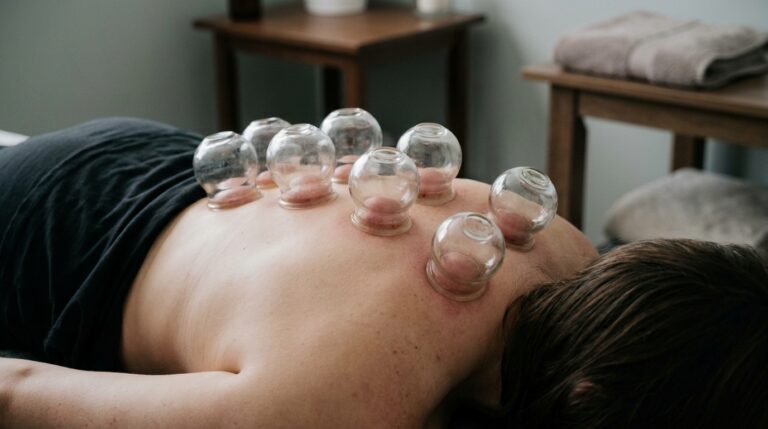
Rooted in the traditions of Chinese medicine, acupuncture has gained popularity as a method for alleviating pain, reducing stress, and addressing various health concerns. By targeting specific points on the body, acupuncture fosters healing, harmonizes energy (Qi), and promotes overall well-being. Equally crucial to the treatment are the actions you take afterward, including what to avoid following acupuncture.
This article provides important insights into behaviors to avoid after acupuncture, arming you with essential knowledge for your sessions.
Refrain from Vigorous Exercise
Post-acupuncture, your body needs a period to absorb and adjust to the healing effects. Resting and steering clear of strenuous physical activities is highly recommended.
Activities like running, heavy lifting, or participating in energetic sports can stress muscles and disrupt the energy balance achieved during the session. Such exertion might redirect energy from healing to physical activity.
Opt for lighter movements such as gentle stretches or a slow walk. This helps your body stay relaxed and focused on healing. The gentle equilibrium of Qi established by acupuncture can be disturbed by sudden, intense exertion, making rest essential to preserving this balance.
Avoid Stimulants and Alcoholic Beverages
The period after acupuncture is vital for enhancing the treatment’s results. It’s advisable to steer clear of stimulants like caffeine and alcohol during this time.
While caffeine might offer a temporary energy spike, it can disrupt the soothing and restorative effects of your session. Similarly, alcohol can dehydrate the body and affect the nervous system, interfering with the energy flow acupuncture aims to balance.
Hydration is crucial. Consuming water or herbal teas without caffeine aids in detoxifying the body and supports its natural healing mechanisms. Maintaining a state of calm and internal harmony is the goal, which stimulants and alcohol can compromise.
Steer Clear of Cold and Windy Conditions
After acupuncture, the body’s energy pathways become more open and sensitive. Exposure to cold or windy conditions can cause muscle tension and disrupt Qi flow.
In traditional Chinese medicine, cold is seen as a factor leading to stagnation, opposing the desired outcomes of acupuncture. To preserve warmth and energy, avoid spending extended periods in air-conditioned environments or venturing out in cold weather without proper attire.
Keeping warm can aid in relaxing muscles and ensuring the continued flow of energy facilitated by the session. Simple actions, like wrapping in a blanket or sipping warm herbal tea, can enhance post-treatment outcomes.
See a Thrive clinician
Acupuncture, dry needling and physical therapy across four Long Island offices. Same-week appointments are usually available, and you do not need a referral to start.
Don’t Skip Meals or Consume Heavy Foods
Nutrition is crucial for how your body processes and benefits from acupuncture. Skipping meals post-treatment is discouraged, as your body requires nourishment to maintain energy levels. Acupuncture often stimulates metabolism and body functions, so a balanced meal supports these effects.
While eating is recommended, avoid heavy, greasy foods that can burden digestion. Foods high in oil and fat can induce sluggishness and upset the energetic balance achieved.
Opt for light, nutritious meals like soups, salads, and lean proteins that are easier to digest. Whole foods provide sustained energy without discomfort, helping to preserve the treatment’s advantages.
Avoid Emotional Turmoil
Acupuncture not only addresses physical issues but can also trigger emotional releases due to energy shifts. Thus, it’s beneficial to avoid situations that might cause emotional stress. Stressful conversations, demanding work tasks, or activities that cause anxiety can negate the calming effects of your treatment.
Instead, engage in activities that encourage relaxation and mindfulness. Reading, meditating, or listening to calming music can extend the peace and balance provided by your session.
The emotional aspect of recovery is as vital as the physical. Allocating time for self-reflection and relaxation allows the mind to stay balanced and supports the thorough benefits of acupuncture.
Reduce Screen Exposure
While screens are often used for relaxation in today’s digital world, it’s advisable to limit screen time after acupuncture. Blue light from electronic devices can interfere with your body’s natural sleep-wake cycle and stimulate the brain, counteracting the restful effects of your treatment.
Instead of engaging with electronic devices, consider other activities like journaling, practicing deep breathing, or spending time outside in nature to integrate the calming effects of acupuncture into your routine.
Avoid Comparing Outcomes
It’s natural to wonder about others’ experiences with acupuncture, but this can lead to unnecessary stress or disappointment. Each individual’s body responds differently to treatment. Some might experience immediate relief, while others notice gradual changes. Comparing your results can create doubt and disturb the mental peace acupuncture aims to foster.
Trust your body’s process and stay open to the subtle improvements that develop. Observing how you feel in the days following your session and recognizing even minor shifts can be reassuring.
Avoid Overworking and Mental Fatigue
Just as physical exertion can be detrimental post-treatment, so can mental overexertion. Jumping back into demanding tasks or working long hours can deplete energy and negate acupuncture’s benefits. Both the mind and body require time to rest and realign. It’s ideal to schedule your session on a day when you can take it easy or finish work early to unwind afterward.
Even simple activities like reading or crafting can be more beneficial than tackling challenging mental tasks. Consider post-acupuncture care an investment in long-term health.
A Well-Rounded Approach to Health
Understanding what to avoid after acupuncture treatment can improve your overall experience and enhance the healing effects. By taking measures such as avoiding strenuous activities, stimulants, and stress, you create an environment that maximizes the benefits of your session.
At Thrive Health Acupuncture, we are committed to guiding you toward optimal health by helping you make informed choices for your post-treatment care. Adopting these practices can lead to deeper, more enduring healing and foster a harmonious energy flow supporting long-term wellness.