Migraines are a widespread health issue that affects millions of people worldwide, causing significant disruption to their lives. While traditional treatments, including medication and lifestyle changes, are critical in managing this condition, alternative therapies like dry needling have attracted attention for their potential to offer relief.
This detailed guide examines how effective dry needling is for migraines by looking at its mechanisms, applications, and benefits compared to other treatments.
Comprehending Dry Needling and How It Works
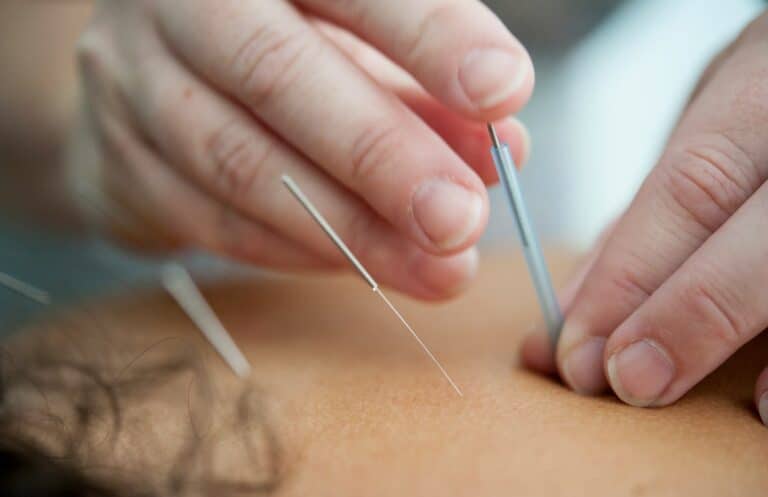
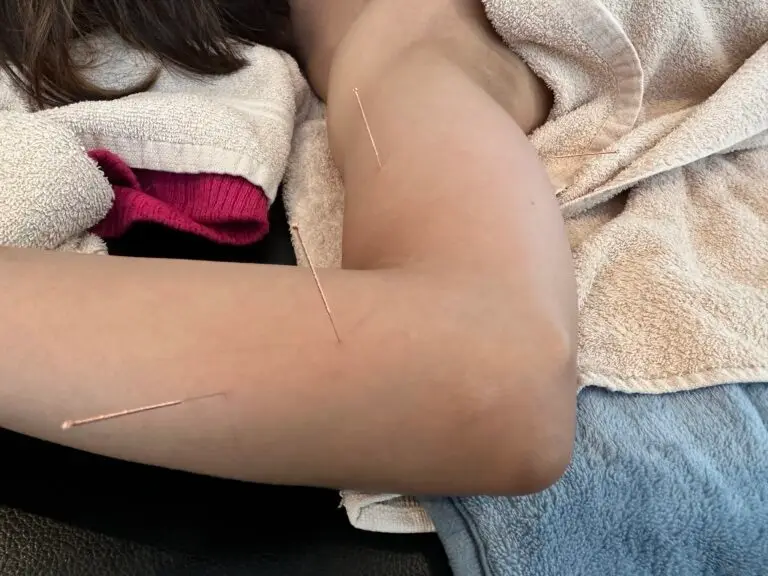
Dry needling is one form of acupuncture, and it involves the insertion of fine needles into specific areas of the body called myofascial trigger points. In New York, only a licensed acupuncturist may perform it. These are recognized as tense or tight spots within skeletal muscle. Within acupuncture, which also works with energy flow or “Qi,” dry needling addresses these muscular knots directly to reduce pain and muscle tension.Overview of Dry Needling
Although dry needling and acupuncture share similarities in technique, such as using thin needles, dry needling primarily aims to relieve muscle tightness and myofascial pain. It is prominently used by physical therapists and supported by research, particularly in sports medicine and orthopedic rehabilitation.
Underlying Biological Processes
Dry needling’s biological foundation involves intricate physiological processes that aid in pain relief. Inserting a needle into a trigger point creates a small lesion, disrupting the pain feedback loop to the nervous system.
This action is believed to prompt the release of endorphins, the body’s natural pain relievers, and enhance blood flow to the region, promoting healing and reducing muscle tension.
Significance of Trigger Points
Trigger points are essential to understanding how dry needling alleviates migraine pain. These are hyperirritable spots, often felt as nodules in taut muscle fibers, capable of causing local and referred pain and linked to muscle dysfunction.
For those suffering from migraines, trigger points in the neck, shoulder, and head muscles are often involved. Addressing these points with dry needling can lead to significant reductions in migraine symptoms, including pain severity and frequency.
Dry Needling in Chronic Migraine Management
Dry needling plays an important role in chronic migraine management by addressing the physical aspects that contribute to the condition’s intensity and frequency. Regular sessions can maintain muscle relaxation and prevent the reformation of trigger points that worsen migraine symptoms.
This treatment method helps manage pain thresholds more effectively and decreases dependency on medications.
Incorporated into a broad care strategy with lifestyle changes and additional therapeutic interventions, it facilitates sustained improvement, aiding patients in achieving prolonged relief and a significantly improved quality of life.
Ensuring Safety in Treatment
Safety is a top priority in dry needling treatments, particularly for sensitive conditions like migraines. Practitioners follow strict guidelines, including using sterile, single-use needles and maintaining a sanitary environment to prevent infections.
Thorough assessments are performed before treatment to ensure the patient does not have conditions that contraindicate dry needling, like blood clotting disorders. Accurate technique and needle insertion depth are carefully controlled to prevent complications, ensuring safety for every patient.
Training and Expertise of Practitioners
Licensed acupuncturists who provide dry needling undergo extensive training to deliver safe and effective treatments. This includes accredited courses, significant hands-on experience, and in-depth knowledge of human anatomy and physiology.Continuous education is required to keep practitioners updated on the latest advances in the field, enabling them to identify migraine-related trigger points accurately and apply techniques that relieve without causing additional harm.
Applying Dry Needling for Migraine Relief
The effective application of dry needling for migraines involves a targeted strategy focusing on muscles commonly affected by tension and imbalances in this condition. The procedure is crafted to relieve tension in key areas known to contribute to migraines.
One such area is the occipital region at the skull’s base. Tension in the occipital muscles here can lead to tension headaches and migraines.
Another important area is the trapezius muscle, extending across the neck and shoulders, often harboring stress that causes pain for many migraine sufferers.
Furthermore, the temporal area, particularly the temporalis muscle around the temples, plays a significant role in headaches originating from this region.
By inserting needles strategically in these areas, therapists can directly address and relieve the muscle tension that often triggers or worsens migraine episodes.
This approach is particularly beneficial for individuals with migraines characterized by head tightness or pain radiating from the neck to the shoulders.
Focused dry needling in these regions can provide substantial relief, easing physical symptoms associated with migraines and enhancing overall quality of life.
See a Thrive clinician
Acupuncture, dry needling and physical therapy across four Long Island offices. Same-week appointments are usually available, and you do not need a referral to start.
Research Supporting Dry Needling for Migraines
Recent research has started to investigate dry needling’s effectiveness in migraine relief. Initial studies indicate that it can reduce the frequency and severity of migraine attacks, particularly in patients whose migraines are linked to muscle tension.
Clinical trials have demonstrated symptom improvements and decreased medication reliance among participants undergoing dry needling therapy.
Combining Dry Needling with Other Migraine Therapies
Although dry needling is effective on its own, it is often combined with other treatments to optimize patient results. This integrative approach enhances each therapy’s effectiveness and provides a more thorough treatment plan for migraine patients.
Enhancing Medication Efficacy
For many individuals, dry needling is most effective when part of a broader treatment strategy that includes medication. By alleviating muscle tension and enhancing blood flow, dry needling can improve pharmaceutical treatments’ effectiveness, potentially reducing the need for higher doses of painkillers or preventive medications.
Working Alongside Physical Therapy Physical therapy plans often run alongside dry needling provided by a licensed acupuncturist. Techniques like manual therapy, posture correction, and strengthening exercises complement dry needling’s effects by improving muscle balance and reducing mechanical stress on the neck and head. This synergy is especially beneficial for patients whose migraines are related to postural problems or repetitive strain.Integration with Lifestyle Changes
Lifestyle changes, including stress management, diet modifications, and regular physical activity, are vital for migraine control. Dry needling supports these efforts by alleviating physical symptoms that might hinder lifestyle changes.
For example, reducing muscle tension through dry needling can facilitate regular exercise, which is known to lower migraine frequency.
Pairing with Nutritional Strategies
Combining dry needling with nutritional approaches can amplify benefits for migraine sufferers. Nutrients like magnesium and vitamin B2 have shown to reduce migraine frequency and severity. When combined with dry needling, which targets muscular triggers of migraines, the treatment’s overall effectiveness can be enhanced.
Nutritionists and therapists often collaborate to create a thorough plan that addresses physical symptoms with needles and supports body chemistry through diet, forming a whole-person migraine management approach.
Comparing Dry Needling with Other Treatments
Dry needling offers clear advantages over other migraine treatments, such as medication and biofeedback. This comparison highlights its unique position within the range of migraine therapies, aiding patients in making informed treatment decisions.Distinct Advantages of Dry Needling
One of dry needling’s most compelling features is its direct approach to addressing the physical components of migraine pain, especially muscle tension and trigger points.
Unlike medications, which often temporarily mask pain, dry needling seeks to resolve the underlying muscular issues contributing to migraine symptoms, providing longer-lasting relief without the side effects associated with medications.
Comparing with Medication
While medications are frequently prescribed for migraine relief and can be effective, they are not without side effects. Many migraine drugs can cause issues like nausea, dizziness, and even medication overuse-induced headaches.
Dry needling provides a non-pharmacological alternative that minimizes these side effects. Additionally, for patients seeking preventive treatment, dry needling can be an excellent adjunct to reduce overall medication use.
Dry Needling Within Acupuncture Dry needling is one form of acupuncture, and both use the same fine needles. Acupuncture is rooted in traditional Chinese medicine and aims to balance the body’s energy flow. Dry needling applies that same practice to trigger points, focusing on relieving pain by deactivating them. In New York, only a licensed acupuncturist may perform it. For migraine sufferers, dry needling may focus more closely on muscular symptoms, while other acupuncture styles take a broader approach to overall body health.Integrating with Biofeedback and Behavioral Therapies
Dry needling complements biofeedback and behavioral therapies, which help patients manage migraine triggers like stress and anxiety. By combining these approaches, patients can achieve a thorough management strategy that addresses both psychological triggers and physical migraine symptoms. This whole-person treatment is particularly effective for patients whose migraines are exacerbated by muscular tension due to emotional stress.
Thrive Health Acupuncture Incorporates Dry Needling in Our Techniques
At Thrive Health Acupuncture, dry needling is integrated into a whole-person approach to effectively treat migraines. Our expertise spans the full range of acupuncture, including dry needling, to address the specific muscular issues contributing to migraine pain.
By blending these methods, we offer thorough treatment plans matched to each patient’s unique needs. Our approach is compassionate and patient-centered, ensuring each individual feels supported and reassured throughout their treatment path.
We are committed to providing relief and improving patients’ quality of life through a combination of traditional and innovative therapies.
Adopting a Whole-Person Approach to Migraine Care
Dry needling is a crucial element in modern migraine management strategies. Its capability to directly target the muscular and connective tissues involved in migraine pain makes it an invaluable tool for many, especially those who have not found adequate relief from other treatments.
By integrating dry needling with other therapeutic approaches, patients can enjoy a more thorough and effective management plan.
Migraines are a complex condition necessitating a multifaceted treatment approach. Integrating dry needling with traditional and modern therapies allows for customized treatment plans that address both symptoms and causes of migraines, potentially offering long-term relief and improved quality of life.
Whether used alone or alongside other treatments, dry needling presents a promising option for those seeking to manage migraine pain more effectively and with fewer side effects.
As with any medical treatment, always consult healthcare professionals to determine the most suitable therapies for your condition.