Understanding the Potential Side Effects of Dry Needling
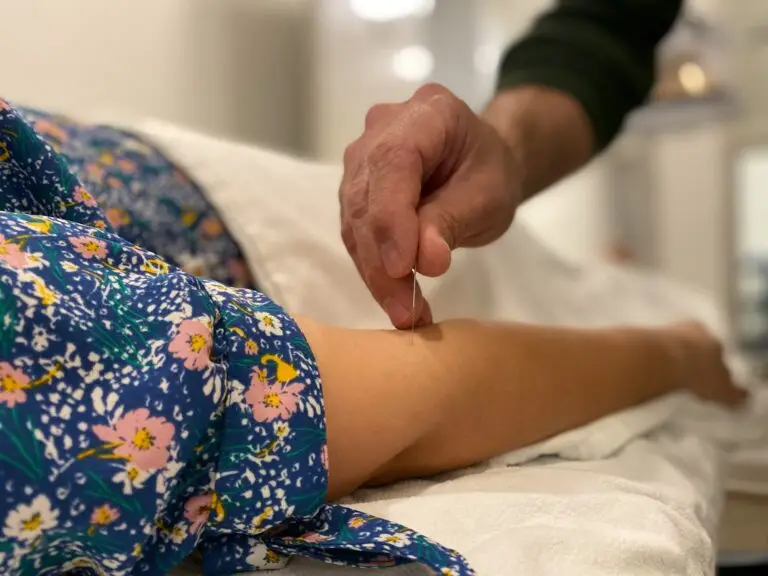
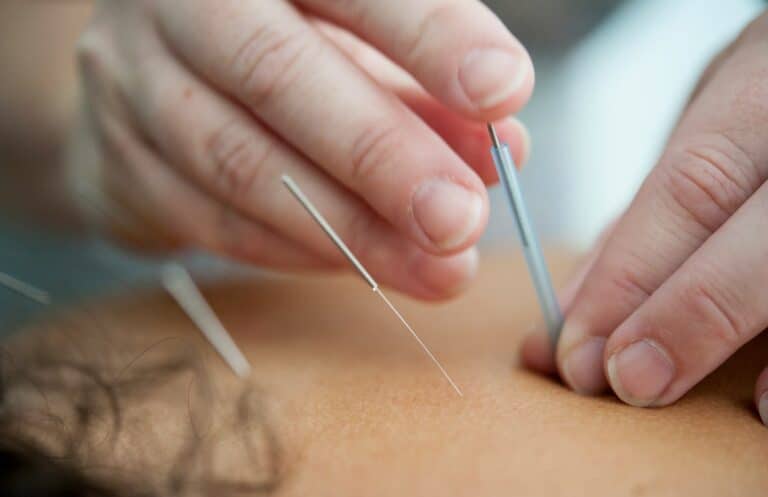
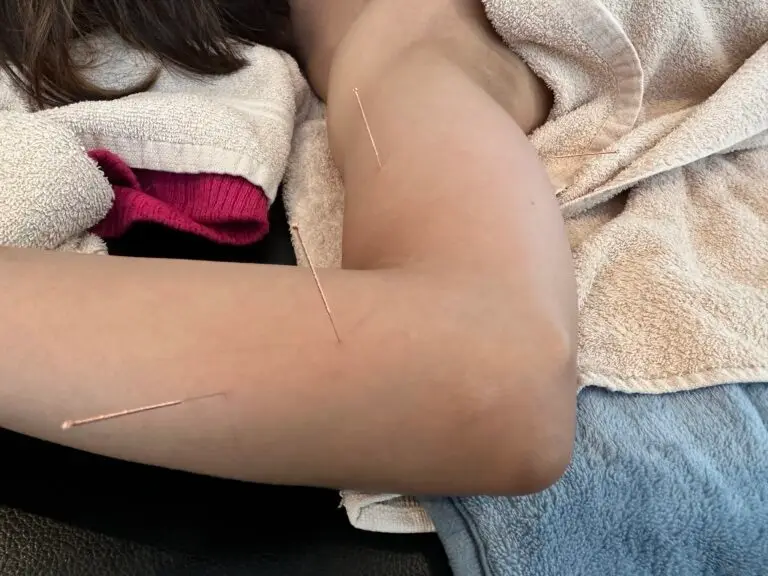
Dry needling is gaining popularity as a therapeutic approach for various musculoskeletal problems, including persistent pain, athletic injuries, and muscle tightness. This method involves inserting fine needles into specific muscle trigger points to relieve tension and reduce pain.
While many find significant relief through dry needling, it’s essential to be mindful of possible side effects. Being informed about these potential side effects can help you decide if this therapy suits your needs.
Typical Side Effects Associated with Dry Needling
- Pain and Tenderness
One prevalent side effect of dry needling is tenderness at the needle entry point. This sensation is usually mild and temporary, lasting between 24 to 48 hours. The tenderness results from the needle creating a tiny injury in the muscle, which triggers the body’s healing process. This process includes increased blood flow and the release of substances that heal the affected area, possibly leading to temporary inflammation and discomfort.
To ease tenderness, try applying ice to the area for 15-20 minutes every few hours on the first day. Over-the-counter medications like ibuprofen or acetaminophen can also alleviate discomfort. Gentle stretching and light exercise can further improve blood circulation and quicken muscle recovery. Staying well-hydrated is important as it supports muscle recovery and minimizes overall discomfort.
- Skin Discoloration
Skin discoloration or bruising is another typical side effect of dry needling. When a needle pierces small blood vessels beneath the skin, bruising can occur. The severity of bruising can depend on factors like skin sensitivity, needle insertion depth, and location. Areas with thinner skin or more blood vessels, such as the forearms or thighs, may bruise more easily.
Although bruising is often harmless, it can be unsightly and uncomfortable. To lower the risk of bruising, ensure your practitioner uses correct techniques and follows safety measures, like avoiding blood vessels and using sterile, single-use needles. Post-session, applying ice to the treated area can help reduce bruising. If a bruise appears, it should heal within a few days to a week. Keeping the area raised and avoiding intense activity can also minimize bruising and discomfort.
- Exhaustion
Some individuals report feeling exhausted or experiencing a sense of heaviness following a dry needling session. This reaction is likely due to the body’s response to muscle tension release and the initiation of the healing process. The body’s tissue repair and regeneration efforts can lead to temporary tiredness, similar to post-workout fatigue.
Rest and hydration are key in addressing this side effect. It’s crucial to listen to your body and take time to rest if you feel fatigued. Light activities, such as walking or gentle stretching, can help maintain circulation and energy without overexertion. Most people find that the fatigue subsides within a day or two, leaving them more energized and less tense.
- Involuntary Muscle Movements
During a dry needling session, you might experience involuntary muscle movements or a local twitch response (LTR). This is a normal and often beneficial reaction, indicating the needle has effectively targeted a trigger point.
Trigger points are sensitive spots in the muscle that can cause pain and discomfort. The twitch response signifies that the muscle is releasing tension and resetting, which can result in pain relief and enhanced function.
However, the sensation might be startling or uncomfortable for some people. It’s important to communicate with your practitioner about your comfort level and any sensations felt during the treatment.
Your practitioner can adjust the needle placement or technique to enhance your comfort. Muscle twitching typically subsides soon after the needle is removed, and any residual soreness can be managed similarly to general post-treatment soreness.
- Redness and Swelling
Some patients may notice redness and mild swelling around the needle insertion points. This is a common inflammatory response as the body heals the micro-injuries caused by the needles. The redness and swelling are usually mild and temporary, resolving within a few hours to a couple of days.
To manage redness and swelling, use a cool compress on the affected area. Avoiding hot showers or baths immediately after treatment can also prevent worsening inflammation. If the redness and swelling persist or worsen, consult your practitioner for further guidance.
- Temporary Increase in Pain
Sometimes, patients may experience a temporary increase in pain after a dry needling session. This is often due to the body’s natural healing response and the release of tight muscle knots. While this increase in pain can be uncomfortable, it typically indicates that the treatment is addressing the underlying issues.
To manage this temporary pain increase, you can employ the same strategies for soreness, such as ice application, over-the-counter pain relievers, and gentle stretching. Most patients find that the increased pain diminishes within a day or two, followed by a significant reduction in overall pain levels.
- Emotional Release
Some individuals report experiencing an emotional release during or after a dry needling session. This can manifest as feelings of relaxation, euphoria, or even the release of suppressed emotions. This response is believed to be connected to the relief of muscle tension and the improvement of blood flow, which can positively impact the nervous system and overall well-being.
If you experience an emotional release, it’s important to acknowledge your feelings and give yourself time to process them. Practicing relaxation techniques, such as deep breathing or meditation, can help you manage any strong emotions that arise. Discussing your experience with your practitioner can also provide additional support and understanding.
See a Thrive clinician
Acupuncture, dry needling and physical therapy across four Long Island offices. Same-week appointments are usually available, and you do not need a referral to start.
Less Frequent Side Effects of Dry Needling
- Nerve Disturbance
In rare instances, dry needling can cause disturbance or injury to nearby nerves. This may result in symptoms like tingling, numbness, or a burning sensation around the needle site. These sensations occur because the needle may inadvertently touch a nerve, causing temporary disruption. Although these symptoms usually resolve on their own, they can be uncomfortable and worrying.
If you experience any nerve-related issues during or after your dry needling session, inform your practitioner immediately. They can evaluate the situation and adjust their technique or needle placement to prevent further disturbance. Practitioners are trained to recognize anatomical landmarks and nerve pathways to minimize nerve irritation risk. Open communication with your practitioner about any unusual sensations can help them make necessary adjustments to ensure your comfort and safety.
- Infection Risk
Although infection is a rare side effect of dry needling, it can occur if proper hygiene practices are not followed. The risk of infection is minimized when the practitioner uses sterile needles and thoroughly cleans the insertion site before the procedure. Despite these precautions, there is always a small risk of bacteria entering the skin, potentially leading to infection.
Signs of infection include redness, swelling, warmth, and discharge at the needle site. If you notice any of these symptoms, seek medical attention promptly. Early intervention can prevent the infection from spreading and becoming more serious. To further reduce the risk of infection, ensure that your practitioner follows strict hygiene protocols, including hand washing, wearing gloves, and using single-use, sterile needles.
- Pneumothorax Risk
Pneumothorax, or a collapsed lung, is an extremely rare but serious side effect of dry needling. This condition can occur if a needle is inadvertently inserted too deeply into the chest area, puncturing the lung. Pneumothorax is more likely when dry needling is performed on the upper back or shoulder areas, where lung tissue is closer to the surface.
Symptoms of pneumothorax include sudden chest pain, shortness of breath, and difficulty breathing. If you experience these symptoms after a dry needling session, seek emergency medical care immediately. Pneumothorax requires prompt treatment to re-expand the collapsed lung and restore normal breathing.
To prevent pneumothorax, practitioners must have a thorough understanding of anatomy and be trained in safe needling techniques. Proper training includes learning to avoid areas where the lung is at risk and using appropriate needle depth and angle. Patients can also help reduce the risk by informing their practitioner about any prior chest surgeries or lung conditions that may affect needling safety in these areas.
Every risk listed here comes down in part to training: dry needling is a form of acupuncture, and in New York only a licensed acupuncturist may perform it. Our dry needling page explains who provides the care and how a session is run.
- Vasovagal Response
In some rare instances, patients may experience fainting or a vasovagal response during or after a dry needling session. This reaction occurs when the body overreacts to certain triggers, such as pain or anxiety, leading to a sudden drop in heart rate and blood pressure. Symptoms of a vasovagal response include lightheadedness, dizziness, sweating, and fainting.
If you feel faint or dizzy during your session, inform your practitioner immediately. They can help you lie down and raise your legs to improve blood flow to the brain. Staying well-hydrated and eating a light meal before your session can also help prevent fainting. If you have a history of vasovagal responses, be sure to discuss this with your practitioner before starting dry needling therapy.
- Allergic Reactions
Allergic reactions to dry needling are extremely rare but can occur. These reactions might be related to the materials used in the needles or to substances applied to the skin before or after needling. Symptoms of an allergic reaction can include localized itching, swelling, rash, or more severe reactions such as difficulty breathing.
If you have known allergies to metals or other materials, inform your practitioner so they can use appropriate equipment and skin preparations. If you experience signs of an allergic reaction during or after your session, seek medical attention promptly. Most allergic reactions can be managed effectively with appropriate medical care, but it is important to address them quickly to avoid more serious complications.
- Scarring Possibility
While dry needling generally does not cause scarring, there is a small risk, especially if the treatment area is not properly cared for after the session. Repeated needling in the same area can increase the risk of scar tissue formation. Ensuring that the treated area is kept clean and avoiding excessive friction or pressure can help prevent scarring.
- Heightened Pain
In some cases, patients may experience an increase in pain after a dry needling session. This can occur due to the body’s healing response, where the minor injury caused by the needle leads to temporary inflammation and increased sensitivity. While this increased pain is generally temporary, lasting for a few days, it can be distressing.
Managing increased pain involves following post-treatment care recommendations, such as applying ice, taking over-the-counter pain relievers, and avoiding strenuous activities. If the pain persists or worsens, it’s important to consult with your practitioner to determine the best course of action.
- Blood Vessel Injury
Although rare, blood vessel injury is a potential side effect of dry needling, particularly in areas with a high concentration of blood vessels. If a needle punctures a larger blood vessel, it can lead to significant bruising, hematoma (a collection of blood outside the vessels), or other vascular complications.
To minimize the risk of blood vessel injury, practitioners must have a thorough understanding of the vascular anatomy and use precise techniques. If you have any concerns about the areas being treated or a history of vascular issues, discuss these with your practitioner before starting dry needling therapy.
Handling Dry Needling Side Effects
- Engage in Open Communication with Your Practitioner
Maintaining effective communication with your practitioner is vital for minimizing and managing the side effects of dry needling. Before your session, discuss your medical history, current medications, and any concerns you might have.
During the procedure, provide feedback about your comfort level and any sensations you experience. This dialogue can help your practitioner adjust the treatment to your needs and reduce the risk of adverse reactions.
- Follow Post-Treatment Guidelines
Proper post-treatment care can also help mitigate the side effects of dry needling. After your session, adhere to any instructions provided by your practitioner, such as applying ice to sore areas, staying hydrated, and avoiding strenuous activities for a day or two. Gentle stretching and light exercise can promote muscle recovery and enhance the benefits of therapy.
Rely on Professionals for Your Dry Needling Sessions
Thrive Health is committed to ensuring your safety and comfort during dry needling sessions. Our skilled practitioners use precise techniques to minimize side effects while maximizing benefits.
Whether you’re dealing with tenderness, nerve disturbance, or simply seeking pain relief, our individualized treatment plans are designed to cater to your needs. Trust us to provide expert care with a focus on hygiene and patient well-being.
Have questions before your first dry needling session?
Ask who will be treating you and what their license covers. At Thrive Health, dry needling is provided by licensed acupuncturists, and we are glad to answer questions ahead of time.