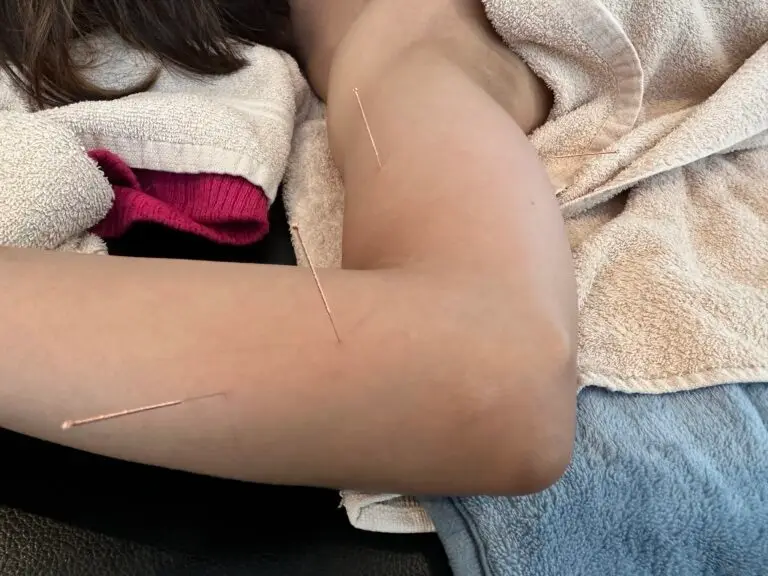
Neck pain is a prevalent condition that impacts millions globally. It can stem from various sources like muscle strain, poor posture, and injuries. One increasingly popular treatment for alleviating neck pain is dry needling. This article looks at the effectiveness of dry needling for neck discomfort, its advantages, the scientific principles behind it, and what you can anticipate during the procedure.
Exploring Dry Needling
Dry needling is a therapeutic method involving the insertion of thin needles into specific muscle points known as trigger points. Dry needling is one form of acupuncture, and it focuses primarily on easing musculoskeletal pain and improving function. In New York, only a licensed acupuncturist may perform it.
Mechanism of Dry Needling
Dry needling is a therapeutic approach that has gained recognition for its ability to relieve musculoskeletal pain, particularly in areas such as the neck, where tension and stiffness are prevalent. The method involves inserting fine, sterile needles into designated muscle points, called trigger points. These points are tight knots within muscle fibers that can lead to pain, restrict movement, and contribute to various musculoskeletal problems.
Understanding Neck Pain and Its Impact
Neck pain is a common ailment that can profoundly affect an individual’s quality of life. It can interfere with daily activities, decrease productivity, and potentially progress to chronic pain conditions if not addressed promptly. Common causes of neck pain include:
- Poor Posture: Extended use of computers and mobile devices can cause forward head posture, straining neck muscles.
- Injuries: Whiplash from car accidents or sports-related incidents can lead to acute neck pain.
- Degenerative Conditions: Issues like cervical spondylosis and herniated discs can cause chronic neck pain.
- Muscle Strain: Overuse or sudden movements can lead to muscle strain in the neck.
Advantages of Dry Needling for Neck Pain
Dry needling presents several potential advantages for those experiencing neck pain:
Rapid Pain Alleviation
A notable advantage of dry needling is the swift pain relief experienced by many patients. Needle insertion into trigger points can rapidly diminish pain by:
- Disabling Trigger Points: The local twitch response aids in releasing tight muscle bands, reducing pain.
- Altering Pain Signals: The needle’s mechanical action can modify how pain signals are processed by the nervous system, resulting in quick relief.
Enhanced Mobility
Neck pain often causes stiffness and limited movement. Dry needling can assist in regaining mobility by:
- Alleviating Muscle Tension: Releasing trigger points enables muscles to relax, enhancing range of motion.
- Boosting Flexibility: With reduced muscle tightness, patients often find they can move their neck more freely and with less discomfort.
Improved Recovery
For individuals recovering from injuries or managing chronic neck pain, dry needling can expedite healing by:
- Enhancing Blood Circulation: Better circulation helps deliver oxygen and nutrients to the affected area, supporting tissue repair.
- Reducing Inflammation: Lower muscle tension and improved blood flow can decrease local inflammation.
Integrative Treatment
Dry needling is adaptable and can be combined with other therapeutic methods for a whole-person treatment plan:
- Physical Therapy: Integrating dry needling with physical therapy can bolster the effectiveness of manual therapies and exercises.
- Chiropractic Care: Dry needling can enhance chiropractic adjustments by addressing muscle dysfunction and providing a well-rounded approach to neck pain.
- Massage Therapy: Combining dry needling with massage therapy can further relax muscles and offer deeper pain relief.
Scientific Basis of Dry Needling
To comprehend the effectiveness of dry needling in relieving neck pain, it is crucial to examine the underlying scientific principles. Dry needling primarily targets myofascial trigger points, which are hyperirritable spots within skeletal muscle. These points can develop due to various factors, such as muscle overuse, trauma, or stress. Here’s a detailed look at how dry needling works:
Focusing on Trigger Points
Trigger points are hyperirritable spots within skeletal muscle associated with palpable nodules in taut muscle fibers. These points can be sensitive to touch and may cause referred pain that radiates to other areas of the body. By precisely targeting these trigger points with needles, dry needling aims to release muscle tension and restore normal function.
See a Thrive clinician
Acupuncture, dry needling and physical therapy across four Long Island offices. Same-week appointments are usually available, and you do not need a referral to start.
Local Twitch Reaction
A key mechanism of dry needling is eliciting a local twitch response (LTR). This response is an involuntary contraction of the muscle fibers in the taut band when the needle penetrates the trigger point. The local twitch response is vital for the treatment process and offers several therapeutic benefits:
- Releasing Muscle Tension: The local twitch response helps disrupt the contracted state of muscle fibers within the trigger point. When the muscle fibers contract and then relax, it can reduce muscle tension and pain. This relaxation effect is crucial for alleviating the tightness and discomfort associated with trigger points.
- Enhancing Blood Flow: Needle insertion into muscle tissue can stimulate blood flow to the affected area. Improved circulation is essential for delivering oxygen and nutrients necessary for tissue repair and healing. Increased blood flow also helps remove metabolic waste products that can accumulate in tight muscles, reducing inflammation and promoting recovery.
- Disrupting Pain Signals: The needle’s mechanical stimulation can modulate the nervous system’s response to pain. By disrupting pain signal transmission to the brain, dry needling can provide immediate pain relief. This effect is particularly beneficial for individuals with chronic pain conditions, helping to break the cycle of pain and muscle tension.
Neurophysiological Impacts
Beyond mechanical effects, dry needling also induces neurophysiological changes that contribute to pain relief and muscle relaxation. These changes include:
- Altering Pain Perception: Dry needling can affect the central and peripheral nervous systems, changing how pain is perceived and processed. The needling action can lead to the release of endogenous opioids, natural pain-relieving chemicals in the body, reducing the sensation of pain.
- Lowering Inflammatory Markers: Needle insertion can decrease the levels of pro-inflammatory substances such as cytokines and neuropeptides in muscle tissue. This reduction in inflammatory markers helps decrease pain and swelling in the affected area.
- Activating Healing Processes: The minor tissue injury caused by needle insertion triggers the body’s natural healing processes. This response includes activating fibroblasts, cells crucial for wound healing and tissue repair. Activating these cells helps strengthen and repair muscle fibers, improving muscle function and reducing pain over time.
What to Anticipate During a Dry Needling Session
If you’re considering dry needling for neck pain, knowing what to expect during a typical session is helpful. Here’s a step-by-step overview:
Initial Consultation
The process starts with an initial consultation, where your practitioner will:
- Assess Your Condition: Conduct a thorough examination to identify the source of your neck pain and determine the appropriate treatment approach.
- Explain the Procedure: Provide detailed information about dry needling, including its benefits, risks, and what to expect during and after the session.
The Needling Procedure
During the actual needling procedure:
- Preparation: The practitioner will clean the area to be treated and use sterile, single-use needles.
- Needle Insertion: The needles are inserted into specific trigger points in the neck muscles. You may feel a slight prick or a deep ache as the needle penetrates the muscle.
- Twitch Response: You might experience a local twitch response, a brief, involuntary contraction of the muscle. This response is a positive sign indicating the needle has effectively targeted the trigger point.
Post-Treatment Care
After the needling session:
- Immediate Effects: Many patients feel immediate relief from pain, although some may experience mild soreness or bruising at the needle sites.
- Follow-Up: Your practitioner may recommend additional sessions and complementary therapies to enhance the treatment’s effectiveness and support long-term recovery.
Common Concerns About Dry Needling
It’s normal to have questions and concerns about dry needling, especially if you’re unfamiliar with the treatment. Here, we address some common concerns:
Is Dry Needling Painful?
The sensation of needle insertion varies, but most patients describe it as brief, mild discomfort rather than significant pain. The local twitch response might cause a quick, sharp sensation, but this is generally well-tolerated and short-lived.
How Safe Is Dry Needling?
Dry needling is safe when performed by a licensed and experienced acupuncturist. Using sterile, single-use needles and adhering to proper hygiene protocols significantly reduces the risk of infection and other complications. Patients should always ensure their practitioner is certified and follows established safety guidelines.How Many Sessions Are Required?
The number of sessions needed may vary based on the severity of the neck pain and the individual’s response to treatment. Some patients experience significant relief after just one or two sessions, while others may need a series of treatments to achieve optimal results. Your practitioner will work with you to develop an individualized treatment plan.
Dry needling for neck pain is an effective option that offers quick pain relief, improved mobility, and enhanced recovery. By targeting specific trigger points and promoting the body’s natural healing processes, dry needling can significantly improve the quality of life for individuals suffering from neck pain. Whether used alone or as part of a thorough treatment strategy, dry needling is a valuable tool in managing and relieving neck pain.