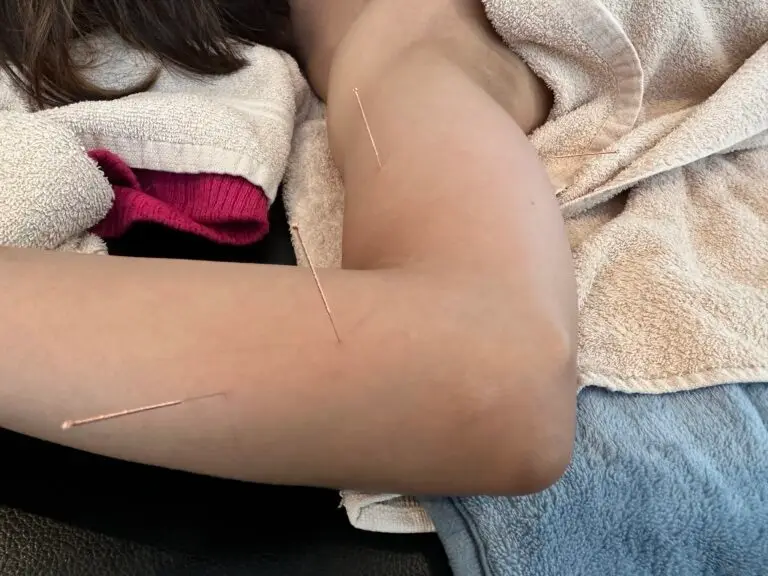
Back pain is a widespread issue affecting millions globally, stemming from various causes like muscle strain, injuries, poor posture, or chronic conditions. Dry needling has gained attention as a potential method to ease back pain. But how effective is it in providing relief? This article looks at the mechanics of dry needling, its benefits, and its role in addressing back pain.
Reasons Behind Back Pain
Back pain can originate from several sources, each necessitating different treatment strategies. Common causes include:
- Muscle Strain: Overuse or abrupt movements can lead to strained muscles and ligaments.
- Herniated Discs: Damaged discs between vertebrae can compress nerves.
- Arthritis: Osteoarthritis may affect the lower back, causing pain and stiffness.
- Postural Problems: Poor posture can excessively strain back muscles and the spine.
- Injuries: Falls, accidents, or sports-related injuries might result in acute or chronic back pain.
Indicators of Back Pain
Back pain symptoms can vary but often include:
- Aching or Stiffness: A persistent dull ache or stiffness along the spine.
- Sharp Pain: Sudden, intense pain in the lower back.
- Radiating Pain: Discomfort that travels from the back to the buttocks, legs, or feet.
- Restricted Movement: Difficulty in moving or maintaining an upright position.
Understanding Dry Needling
Dry needling is a therapeutic approach targeting musculoskeletal pain and dysfunction. It involves inserting thin, sterile needles into specific muscle trigger points or knots. Dry needling is one form of acupuncture, and in New York only a licensed acupuncturist may perform it. It draws on trigger-point anatomy alongside the traditional Chinese medicine roots of acupuncture.
The Mechanism of Dry Needling
Dry needling employs needles to induce localized microtrauma in muscle tissue, aiding in:
- Muscle Tension Release: Needles focus on tight muscle bands, relaxing them.
- Pain Reduction: The procedure activates the body’s natural pain relief mechanisms.
- Blood Flow Enhancement: Improved circulation aids healing and reduces inflammation.
- Mobility Improvement: By releasing muscle knots, normal movement patterns are restored.
Dry Needling’s Role in Back Pain Treatment
Dry needling targets trigger points within back muscles, which are often linked to pain referral patterns, causing discomfort in other body areas. By inserting needles into these points, dry needling aims to:
- Deactivate Trigger Points: Needling disrupts the ongoing contraction of muscle fibers.
- Alleviate Pain: Tension release lessens pain signals sent to the brain.
- Encourage Healing: The microtrauma from needling stimulates tissue repair.
The Treatment Process
The standard dry needling procedure for back pain involves several steps:
- Evaluation: The practitioner evaluates the patient’s back to identify trigger points and muscle tightness.
- Preparation: The back is cleaned for hygiene, and sterile needles are readied.
- Needle Application: Thin needles are inserted into the pinpointed trigger points.
- Adjustment: The practitioner may gently adjust the needles to boost the therapeutic effect.
- Needle Withdrawal: After a few minutes, the needles are removed, and the area might be massaged or stretched.
Advantages of Dry Needling for Back Pain
Dry needling offers numerous benefits for back pain sufferers, making it a favored option among patients and clinicians. Below, we explore these benefits further:
Rapid Pain Alleviation
One of the immediate advantages of dry needling is the fast pain relief experienced by many patients. This swift response is due to several factors:
- Trigger Point Deactivation: By directly addressing trigger points, dry needling breaks the cycle of muscle spasm and pain, leading to a marked reduction in discomfort.
- Endorphin Production: The needling process promotes the release of endorphins, the body’s natural painkillers, offering quick relief.
- Nervous System Influence: Dry needling affects the central and peripheral nervous systems, diminishing pain signals and altering pain perception in the brain.
This rapid pain relief can be particularly advantageous for those with acute back pain, allowing them to resume daily activities with reduced discomfort.
Enhanced Mobility
Back pain often limits movement, resulting in stiffness and reduced flexibility. Dry needling aids in enhancing mobility through various mechanisms:
- Muscle Relaxation: By alleviating tight muscle knots, dry needling reduces tension, enabling freer muscle movement.
- Expanded Range of Motion: With decreased muscle tightness, patients often experience easier movement and a wider range of motion.
- Improved Joint Function: As muscle tension decreases, associated joints can move more smoothly, contributing to better overall mobility.
Improved mobility not only enhances quality of life but also supports other therapeutic activities, like physical therapy exercises, further aiding recovery.
Accelerated Recovery
Dry needling fosters the body’s natural healing processes, potentially speeding up recovery from back pain:
- Microtrauma Creation: Needle insertion creates controlled, minor injuries that activate the body’s repair mechanisms, boosting blood flow and delivering healing nutrients to the affected area.
- Inflammation Reduction: The treatment helps decrease local inflammation, which can worsen pain and delay recovery.
- Tissue Regeneration: By enhancing circulation and reducing muscle tightness, dry needling supports the regeneration of healthy tissue, aiding quicker recovery.
For individuals recovering from injuries or surgery, dry needling can be a valuable complementary treatment, helping them regain mobility more swiftly.
Complementary Therapy
Dry needling is versatile and can be easily integrated into a thorough treatment plan. Its compatibility with other therapies makes it an invaluable tool in managing back pain:
- Physical Therapy: Dry needling can be used alongside physical therapy to augment the effects of manual therapies and exercises. By reducing pain and muscle tension, it prepares the muscles for more effective stretching and strengthening exercises.
- Chiropractic Care: Combining dry needling with chiropractic adjustments can enhance overall outcomes. While chiropractic care focuses on spinal alignment and joint health, dry needling addresses muscle dysfunction as part of acupuncture care, offering a whole-person approach to back pain.
- Massage Therapy: Integrating dry needling with massage therapy can enhance muscle relaxation and pain relief. While massage addresses superficial muscle tension, dry needling targets deeper muscle layers and trigger points.
- Medication Management: For patients on pain medication, dry needling can provide additional relief, potentially reducing the need for higher doses of medication and minimizing the risk of side effects.
This complementary nature allows dry needling to be matched to individual patient needs, providing a multifaceted approach to back pain management.
See a Thrive clinician
Acupuncture, dry needling and physical therapy across four Long Island offices. Same-week appointments are usually available, and you do not need a referral to start.
Additional Advantages
Beyond the main benefits, dry needling offers several extra advantages that enhance its effectiveness in treating back pain:
- Minimal Invasiveness: Dry needling is a minimally invasive procedure. It involves inserting fine, sterile needles into the skin and muscle tissue, causing minimal discomfort and no significant downtime. This makes it an appealing option for patients seeking non-surgical interventions for back pain.
- Customizable Sessions: Each dry needling session can be matched to target specific areas of pain and dysfunction. Practitioners can adjust the depth and location of needle insertion based on the patient’s unique anatomy and symptoms, ensuring an individualized treatment approach.
- Long-term Pain Control: While some patients experience immediate relief, the benefits of dry needling can also be long-lasting. Regular sessions can help manage chronic back pain by continually addressing and resolving muscle tightness and trigger points. Over time, this can lead to sustained improvements in pain levels and overall function. Low Risk of Side Effects: When performed by a licensed acupuncturist, dry needling carries a low risk of serious side effects. Common reactions, such as mild soreness and bruising, are typically short-lived and easily manageable. This favorable safety profile makes dry needling a viable option for many patients, including those who may not tolerate other treatments well.
Conventional Back Pain Treatments
Several traditional treatments are routinely used to manage back pain, including:
- Medication: Pain relievers and anti-inflammatory drugs can help alleviate symptoms.
- Physical Therapy: Exercises and manual therapy can enhance strength and flexibility.
- Chiropractic Care: Spinal adjustments and manipulations can reduce pain.
- Massage Therapy: Therapeutic massage can relax muscles and alleviate tension.
- Injections: Corticosteroid injections provide temporary relief by diminishing inflammation.
- Specific Approach: Directly targets trigger points and muscle knots.
- Less Invasive: Does not require medication or surgical intervention.
- Swift Results: Many patients notice relief after only one or two sessions.
- Complementary: Can be combined with other treatments for a well-rounded approach.
Patient Feedback and Experiences
Many individuals with back pain have shared positive feedback about dry needling. Common themes include:
- Immediate Pain Relief: Numerous patients report experiencing immediate relief from pain.
- Improved Mobility: Enhanced movement and reduced stiffness are frequently observed benefits.
- High Satisfaction: Patients express high satisfaction with the treatment and its results.
Selecting a Qualified Practitioner
To achieve the best outcomes and minimize side effect risks, choosing a qualified practitioner is essential. Opt for a licensed acupuncturist with specialized training in dry needling. Checking reviews and seeking recommendations from reliable sources can also help you find a reputable practitioner.
Possible Side Effects
While dry needling is generally safe, it can cause some side effects, including:
- Soreness: Mild soreness at the needle insertion sites is common and usually resolves within a day or two.
- Bruising: Minor bruising can occur, especially in sensitive areas.
- Fatigue: Some patients may experience fatigue after a session.
- Nerve Irritation: In rare cases, needle insertion can irritate nearby nerves, causing temporary tingling or numbness.
Who Should Avoid Dry Needling?
Dry needling might not be appropriate for everyone. Individuals with certain conditions, such as bleeding disorders, skin infections, or severe needle phobias, should avoid this treatment. Pregnant women should also consult their healthcare provider before undergoing dry needling.
Effective Pain Relief with Thrive Health Acupuncture
So, how effective is dry needling for back pain relief? Evidence suggests it can be a highly effective treatment for many individuals. By targeting trigger points and promoting the body’s natural healing processes, dry needling can offer significant pain relief and enhance mobility. While results may vary, many patients report positive outcomes and appreciate the minimally invasive nature of the treatment.
At Thrive Health, we are committed to providing advanced and effective pain relief treatments, including our highly regarded dry needling therapy. Whether you’re contending with chronic back pain, recovering from a sports injury, or dealing with everyday aches and discomforts, our experienced team is here to help you achieve lasting relief and improved mobility.