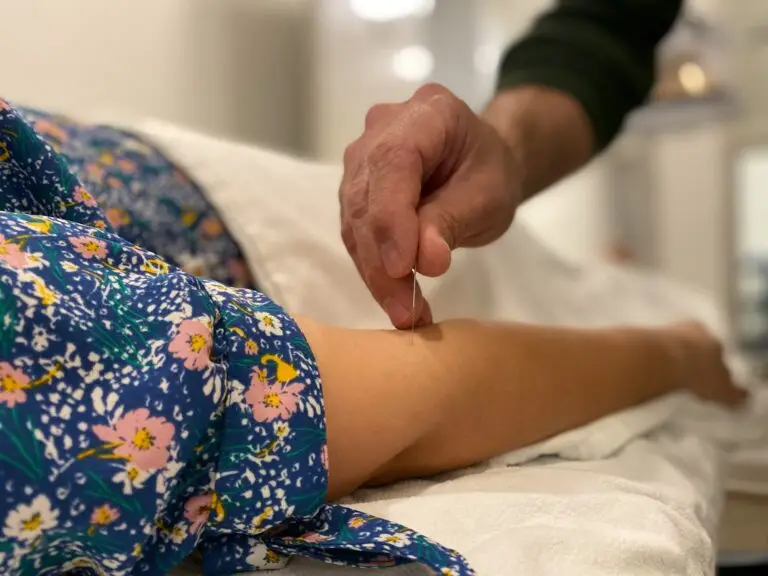
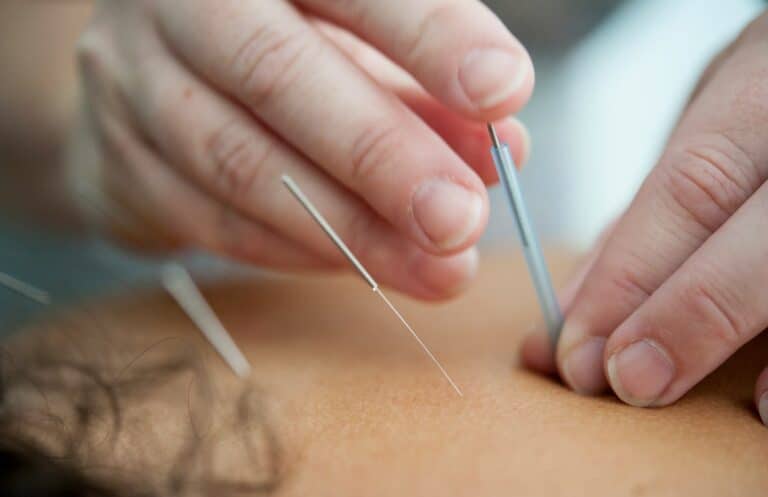
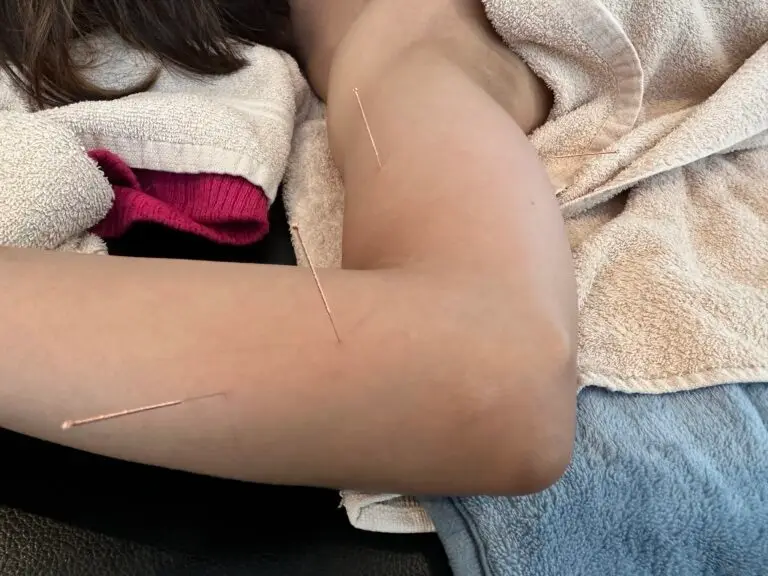
A prevalent question regarding dry needling, often paired with traditional acupuncture, is: is dry needling painful? This question stems from a common fear of needles.
Many associate the term ‘needle’ with ‘pain’. However, in dry needling, needles serve as tools for relief, not sources of discomfort. The actual sensation of dry needling is far removed from what one might expect, acting more as a pathway to alleviating pain rather than exacerbating it.
For those considering dry needling, Thrive Health Acupuncture in East Setauket, Sayville, Smithtown, and Westhampton, New York, offers a haven for those exploring alternative treatments for musculoskeletal discomfort. Under the guidance of Thrive Health, a skilled practitioner of Chinese Medicine, patients experience dry needling with expertise and care, ensuring comfort throughout the process.
The experience of dry needling varies for each person, as unique as one’s fingerprint. Most patients in the hands of an experienced professional describe it as nothing more than a slight twinge or a brief muscle twitch.
Dispelling Myths About the Pain of Dry Needling
The misconception that dry needling is extremely painful needs addressing. Dry needling is one form of acupuncture, and the sensation can differ from other styles of needling. An acupuncturist may place needles in points chosen to balance the body’s energy, while in dry needling that same licensed acupuncturist targets muscle trigger points to relieve tension. This may cause a brief ‘twitch’ response, often misinterpreted as significant pain.
The sensation during dry needling is unlike the sharp pain of a typical injection needle. It feels more like a dull ache, a slight twinge, or a mild cramp. With skilled application and proper techniques, the procedure is tolerable for most people.
See a Thrive clinician
Acupuncture, dry needling and physical therapy across four Long Island offices. Same-week appointments are usually available, and you do not need a referral to start.
Factors Affecting Pain Sensation During Dry Needling
The perception of pain in dry needling sessions varies among individuals and sessions. Factors such as anxiety or fear about the procedure can heighten the feeling of pain. If your muscles are particularly sensitive or tense, the session might be slightly more uncomfortable. Engaging with your therapist is essential. They can modify their approach to ensure comfort while maximizing benefits.
Experiencing some discomfort is normal. The needles stimulate a response in your muscles, crucial to the healing process. However, there’s a notable difference between severe pain and mild discomfort. You should not have to endure the session with gritted teeth or held breath.
How to Minimize Discomfort Before Your First Dry Needling Session
Anxiety about the unknown can amplify pain perception. Understanding the procedure can alleviate some of this anxiety.
It’s beneficial to be informed and conduct research before attending your initial dry needling session. Preparing mentally can reduce the element of surprise. Breathing exercises can also aid in managing discomfort. Slow, deep, and controlled breaths can help to relax muscles and lower heart rates.
Begin Your Path to a Pain-Free Life
In addition to dry needling, Thrive Health provides musculoskeletal acupuncture as a well-rounded approach to managing musculoskeletal pain. Unlike traditional medication, this method uses the body’s natural ability to heal. By stimulating specific body points, we facilitate enhanced mobility and notable pain relief.