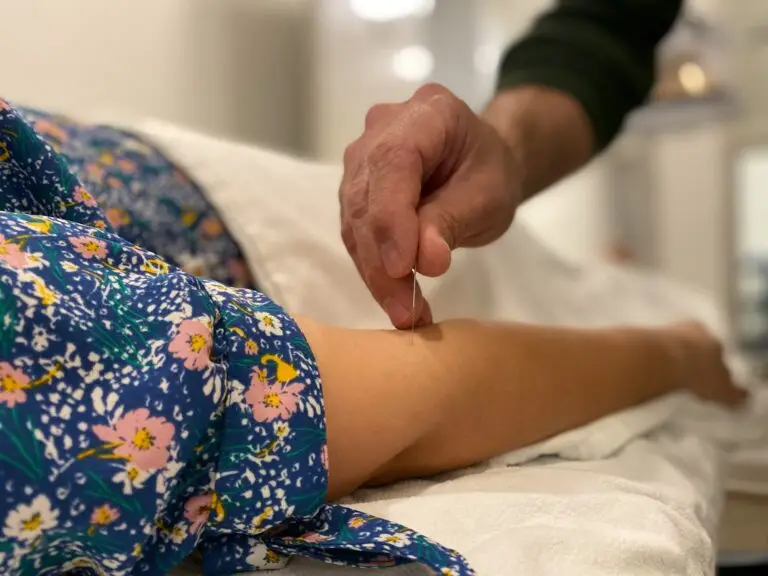
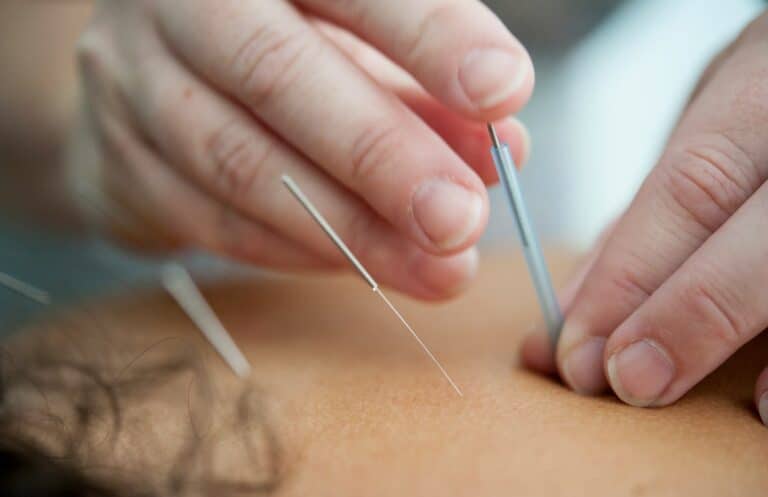
Dry needling is a therapeutic approach that has garnered considerable attention recently. It is one form of acupuncture, and it selects points by muscle anatomy rather than by classical meridian mapping. Many enthusiasts have lauded dry needling for its ability to alleviate muscle tension and improve mobility. Let’s look at the various ways this treatment can enhance your well-being.
What is Dry Needling?
To appreciate its advantages, it’s crucial to understand what dry needling entails. Within acupuncture, which also works with the Chinese medicine concept of balancing the body’s energy (Qi), dry needling focuses on myofascial trigger points. In New York, only a licensed acupuncturist may perform it. These are tense muscle knots that cause pain and discomfort. By inserting fine, sterile needles into these points, the therapy aims to release tension, ease pain, and restore functionality.
Pain Alleviation and Management
A key benefit of dry needling is its efficacy in managing and reducing pain. Chronic pain, particularly from muscle knots, can be debilitating. Dry needling offers immediate relief by disrupting the trigger point and easing both local and referred pain. It acts as a reset mechanism for muscles trapped in a painful contracted state.
Improved Mobility and Flexibility
Muscle and fascia tightness can restrict movement. Athletes and individuals recovering from injuries often face movement limitations. Dry needling aids in relaxing these muscles, breaking down scar tissue, and enhancing flexibility and movement. This is especially helpful for those aiming to regain full mobility after an injury.
Relieving Muscle Tension
If left untreated, persistent muscle tension can lead to complications like posture issues and joint discomfort. By directly targeting trigger points, dry needling addresses the root cause, promoting faster muscle relaxation. This not only feels beneficial post-treatment but also helps prevent related complications.
See a Thrive clinician
Acupuncture, dry needling and physical therapy across four Long Island offices. Same-week appointments are usually available, and you do not need a referral to start.
Boosted Circulation
Inserting needles into trigger points induces a local twitch response. Although this might be slightly uncomfortable, it is advantageous. It relaxes muscle fibers, improving blood flow to the area. Enhanced circulation speeds up healing by delivering essential nutrients and oxygen to the region.
Benefits for the Nervous System
This therapy also offers advantages for the nervous system. It can help desensitize overly sensitive structures and normalize neural functions, which reduces pain perception. For those dealing with chronic pain, this can be meaningful.
Enhancing Posture
Poor posture, often caused by muscle imbalances, can lead to various health issues, from spinal problems to impaired breathing. By addressing muscle tension and supporting proper alignment, dry needling can contribute to posture correction.
Comparing Dry Needling with Other Therapies
With numerous therapeutic options available, how should one choose? While emphasizing the benefits of dry needling, it helps to understand where it sits within acupuncture so you can make informed choices.
Acupuncture, for example, concentrates on energy meridians and aims to balance the body’s Qi. It takes a more whole-person approach and can address a broad range of health concerns, from digestive issues to stress. In contrast, acupressure and massage target muscle and fascial systems without using needles. They offer tactile stimulation, promoting relaxation and stress relief.
Each therapy has its unique benefits, and the choice often depends on individual needs and preferences.
The therapeutic landscape offers a wide array of options for those seeking relief and wellness. Among these, dry needling is distinguished by its focused approach to muscle tension, pain, and limited mobility. For individuals struggling with persistent trigger points or chronic pain, this therapy can offer significant relief. Ensure that you receive treatment from a licensed professional to maximize safety and effectiveness.