Within the sphere of alternative medicine, dry needling is increasingly being recognized for its potential benefits in alleviating muscle pain and tension. Yet, with its growing fame, a common query arises: “Is dry needling a safe practice?” To assess its safety and effectiveness, it’s vital to look at the technique, its applications, and any associated risks.
Understanding Dry Needling
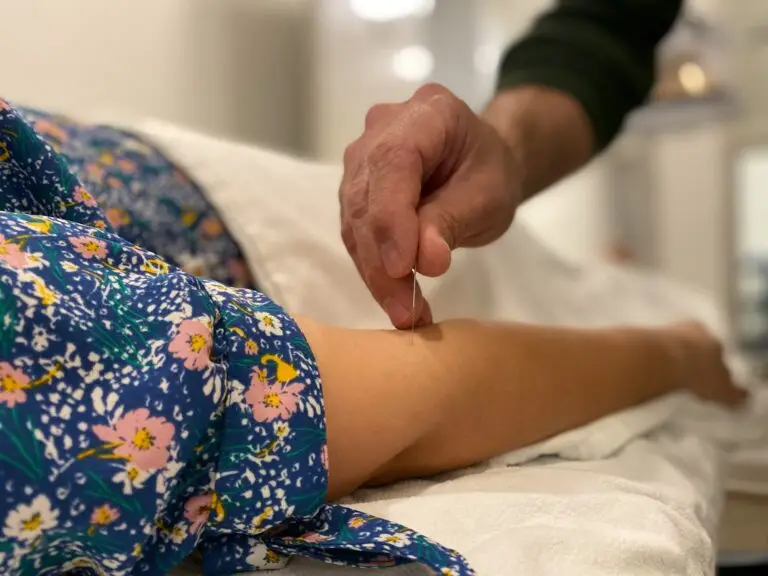
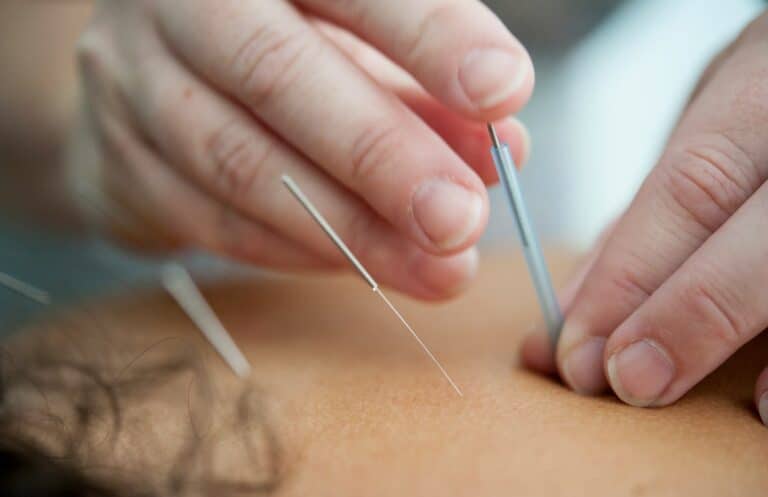
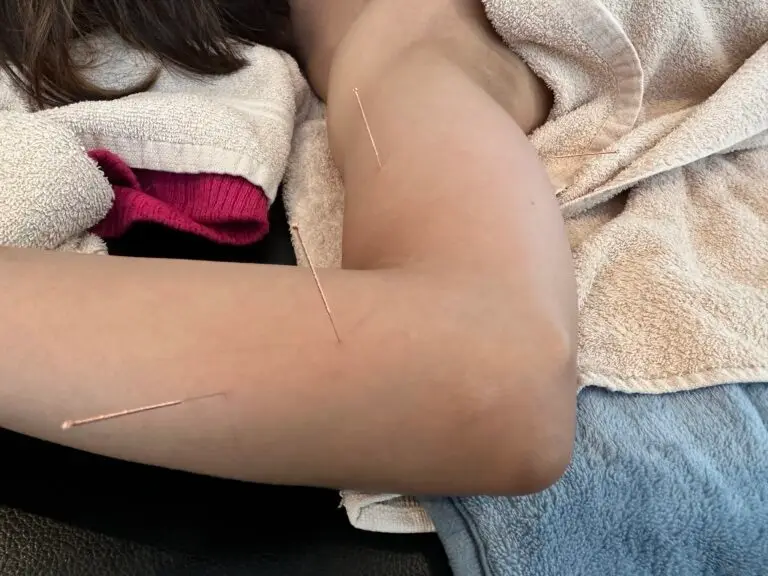
Before discussing safety aspects, it’s key to understand what dry needling involves. Dry needling is a form of acupuncture, and it focuses specifically on treating muscle pain. In New York, only a licensed acupuncturist may perform it. Practitioners use thin needles to target trigger points or tight muscle knots. This aims to relieve tension, enhance blood circulation, and reduce pain.
Evaluating the Safety and Effectiveness of Dry Needling
The success of dry needling largely relies on the practitioner’s skill and the condition being addressed. Numerous studies suggest that dry needling can effectively treat issues like myofascial pain syndrome, tension headaches, and some joint pains. However, its safety and efficacy are inherently linked to each other.
Possible Risks and Side Effects
No medical or therapeutic intervention is completely without risks. Some typical side effects and potential risks of dry needling include:
- Bruising and Bleeding: Needle insertion may result in minor bruising or slight bleeding at the site, which usually resolves in a few days.
- Pain During or After the Session: Some pain may be felt when the needle is inserted, with a mild ache possibly lingering for a day or two post-treatment.
- Infection: Though uncommon, there is a minimal risk of infection if non-sterile needles are used or if the skin is not properly sanitized prior to insertion.
- Nerve Damage: Mistaken needle placement can lead to nerve damage, but this is extremely rare when performed by a qualified professional.
See a Thrive clinician
Acupuncture, dry needling and physical therapy across four Long Island offices. Same-week appointments are usually available, and you do not need a referral to start.
Ensuring Safety and Adopting Best Practices
Several measures can be taken by both practitioners and patients to ensure the procedure’s safety:
- Utilization of Sterile Needles: Employing single-use, sterile needles for each session minimizes the risk of infection.
- Thorough Training: The practitioner should have sufficient training and experience to minimize risks and optimize benefits.
- Open Dialogue: Prior to undergoing dry needling, discuss any health issues, allergies, or concerns with your practitioner to adjust the procedure to your needs.
- Care After the Procedure: Keep the needle sites clean and refrain from intense activities for a couple of days to allow muscle recovery.
Comparing Dry Needling with Other Therapies
To fully grasp dry needling’s safety, it’s useful to compare it with other therapeutic options. Acupuncture, for example, also involves inserting thin needles, but its focus is on balancing energy pathways rather than targeting muscle knots. Other techniques like acupressure and massage aim at reducing muscle tension and pain through manual pressure instead of needles.
Each of these therapies has its own potential risks and benefits. However, when executed by skilled professionals in sterile environments, they can all be deemed relatively safe.
Is dry needling safe? When conducted by a licensed acupuncturist utilizing sterile tools and adhering to best practices, dry needling can be an effective method for addressing muscle pain and tension. As with any therapy, it’s important to communicate openly with your provider, ask questions, and ensure that you are in capable hands. Understanding the procedure, its potential risks, and the safety measures in place can help you make an informed decision about whether dry needling is suitable for you.